
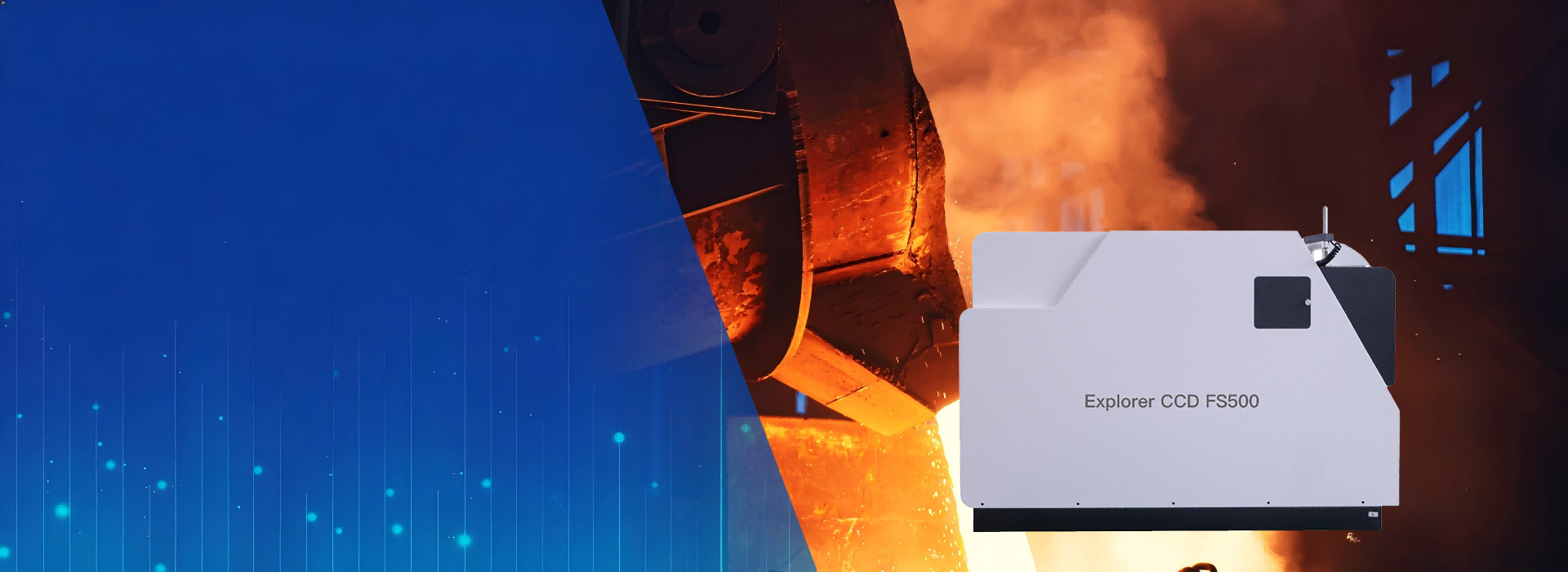
Your Leading Alloy Analyzer Manufacturer in China
Soohow Instrument is one of the few companies in China that can manufacture alloy analyzers that integrate a wide range of core technologies. These include spark optical emission spectrometry, X-ray fluorescence, glow discharge, and hollow cathode techniques. We have a full range of alloy analyzer models for different situations. These include high-precision floor-standing units, versatile benchtop systems, portable field-testing devices, and specialized tools for trace analysis of ultra-pure materials and in-depth surface profiling. This wide range lets us meet the needs of a variety of industries, including steel metallurgy, aerospace, metal recycling, and quality inspection agencies.
Please get in touch with Soohow Instrument for expert advice and tailored solutions for your material analysis needs. This will ensure that accurate testing protects the quality of your products at all times.
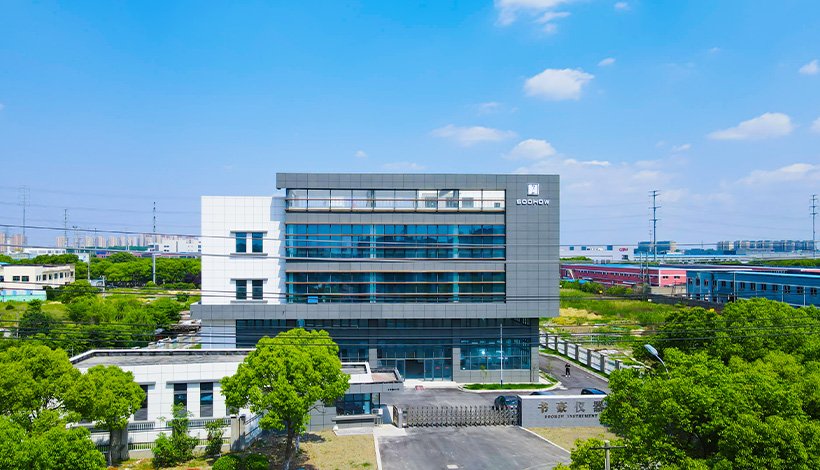
A Variety of Alloy Analyzers for You
Alloy analysis needs to be able to find a wide range of things, from major elements to tiny impurities, and from big samples to thin coatings on surfaces. Soohow Alloy Analyzers offer different technical solutions for different situations.
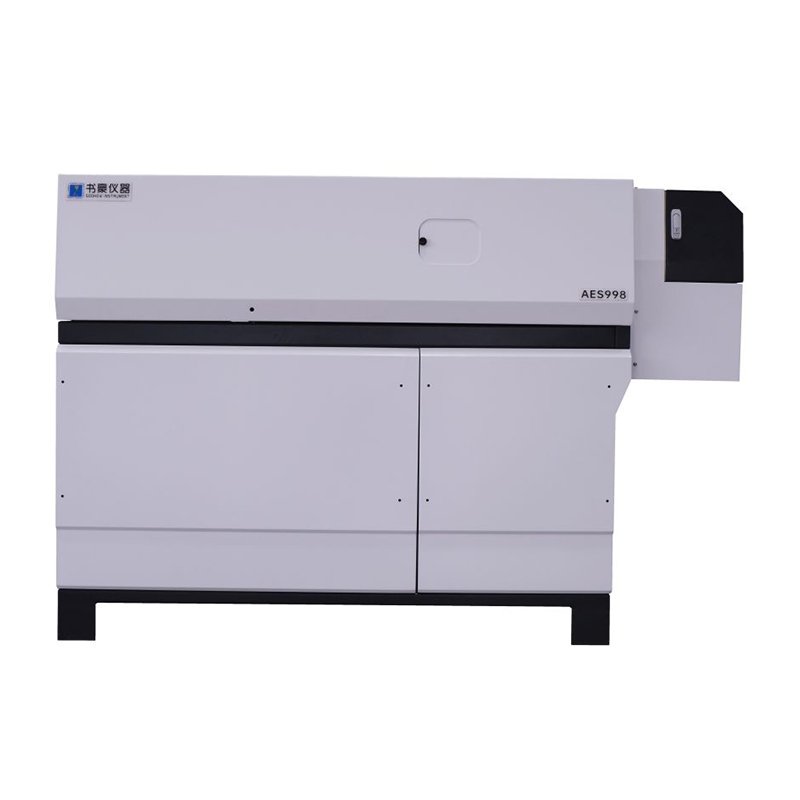 AES998 PMT-Based Spark OES
The high-energy spark plasma excitation system has some unique benefits for studying cast iron and cast aluminum materials that are hard to excite.
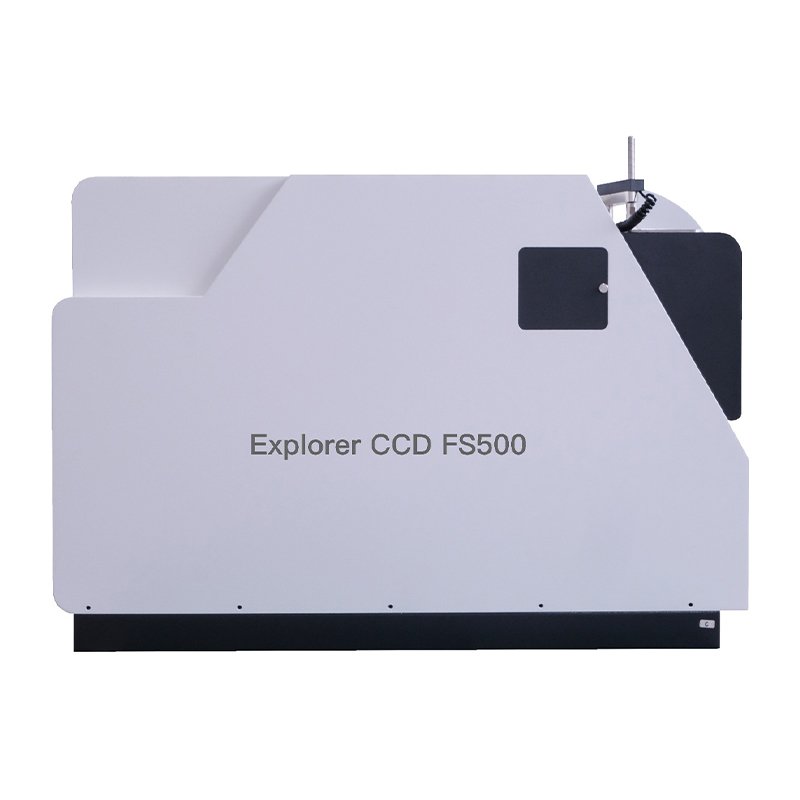 FS500 CCD-Based Spark OES
The straight-through optical path design stops fiber from losing strength, which keeps data stable over time.
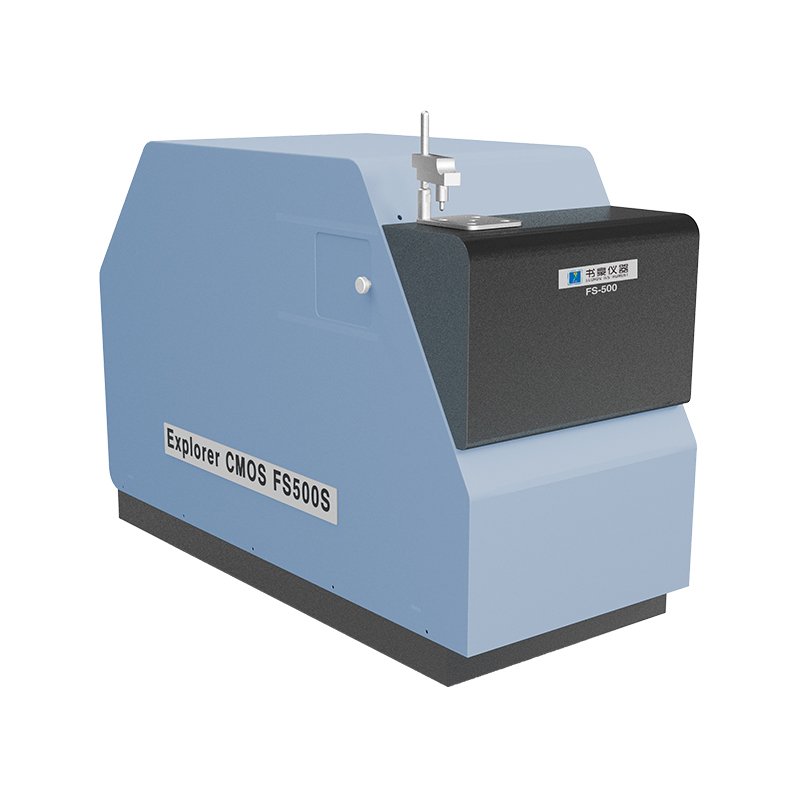 FS500S CMOS-Based Spark OES
It uses less power and is better at resisting strong-light trailing effects, making it perfect for production environments that need quick responses and high-throughput analysis.
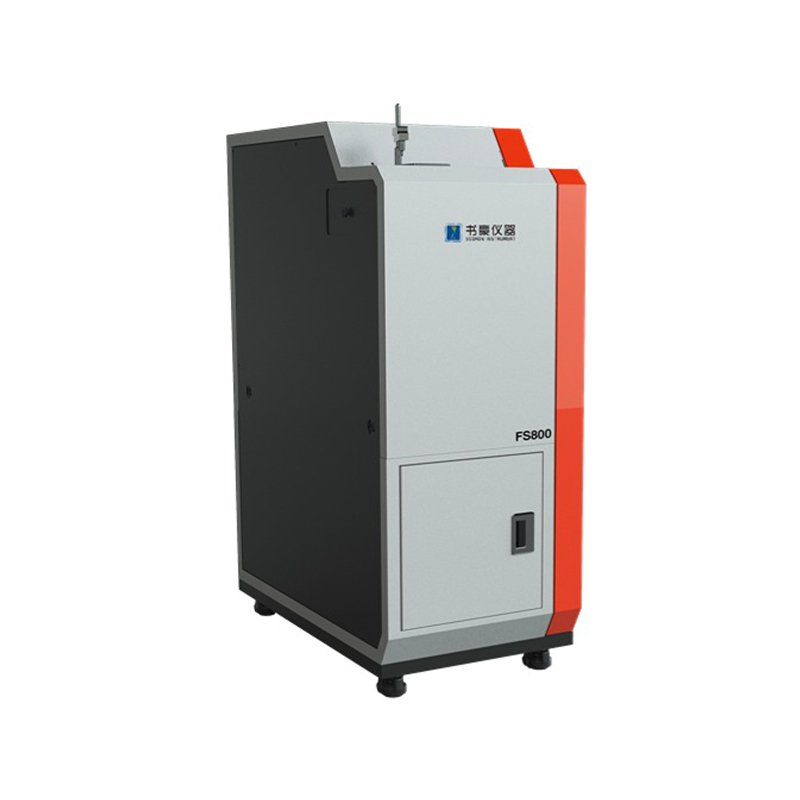 FS800 CCD-Based Spark OES
Adding casters and drawers to the FS500’s core performance makes it easier to change the layout of the lab and store accessories.
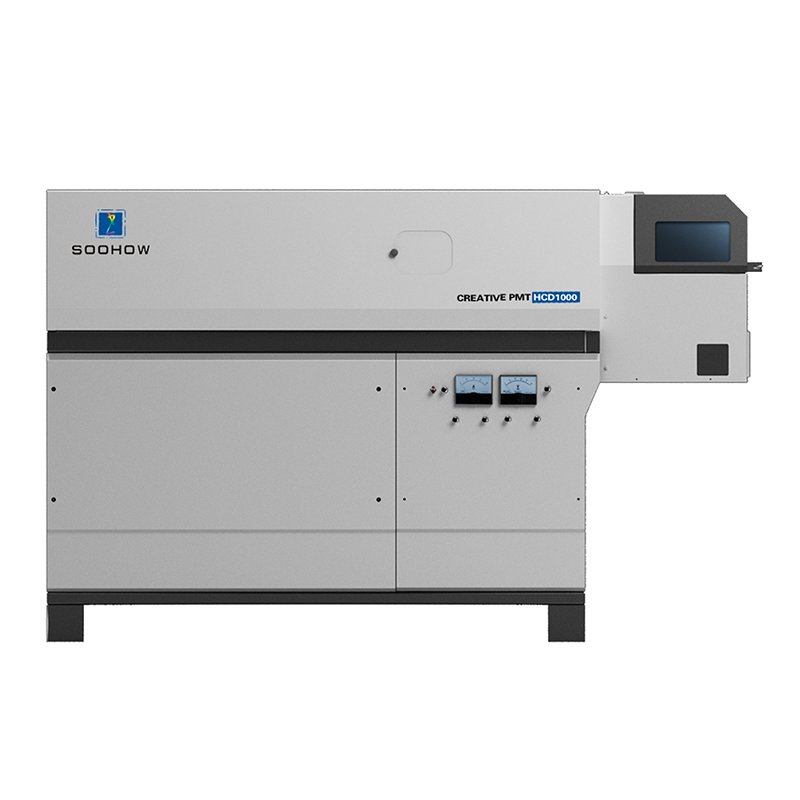 HCD1000 Hollow Cathode OES
Specifically made to find trace amounts of impurities in ultra-pure refractory metals like tungsten, molybdenum, tantalum, niobium, and others.
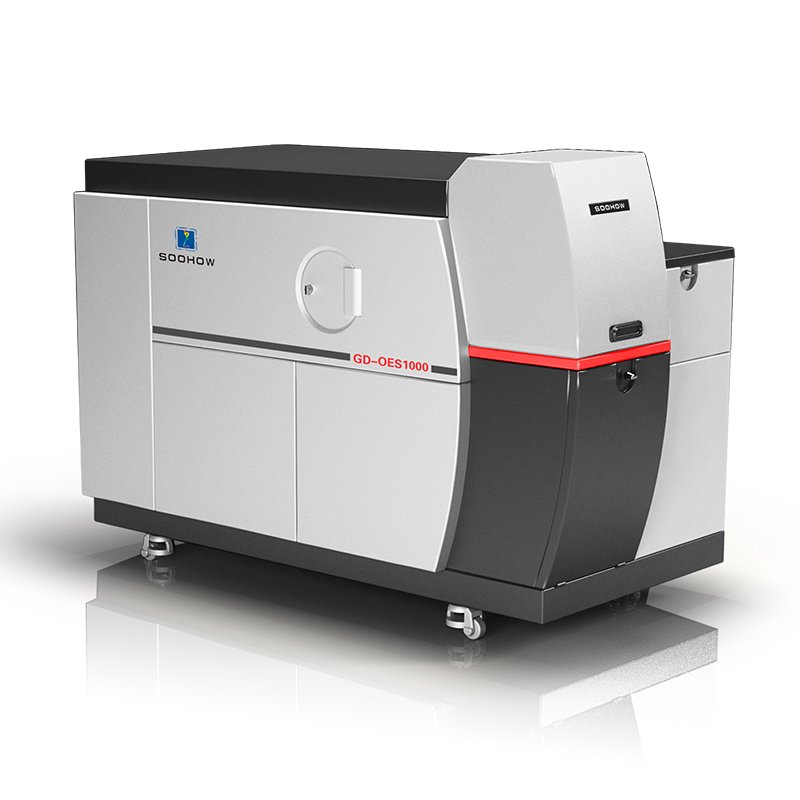 GDS8000 Glow Discharge OES
It is made for analyzing the surface of materials and depth profiling. It can be used in fields like surface engineering of metals, thin-film research, and checking the quality of electroplating.
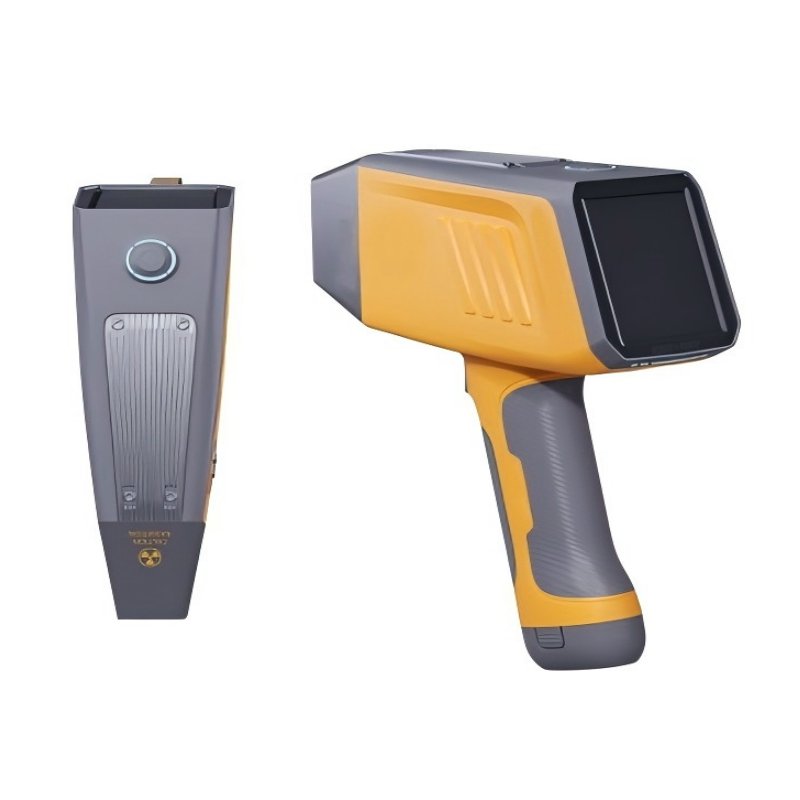 X-MAX II Handheld XRF Spectrometer
It has built-in databases for different alloys and analysis curves for precious metals, making it useful for tasks like recycling metals, identifying the grade of an alloy, sorting scrap materials, and checking quality on-site.
Alloy Analyzer Installation and Training Services for You
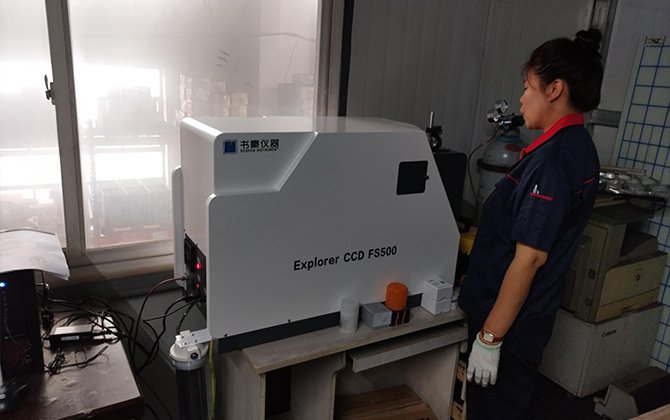
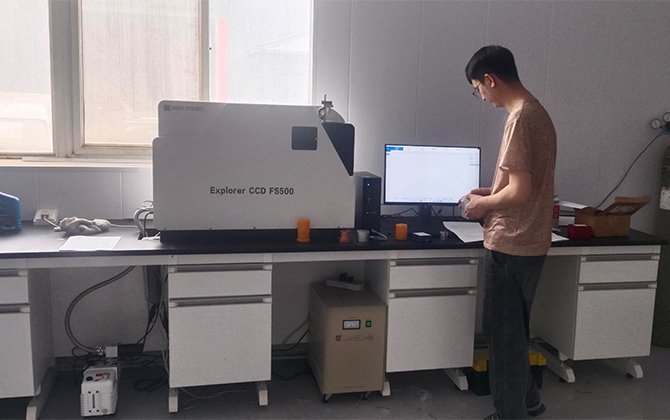
Soohow Instrument offers full lifecycle support for all of the alloy analyzers we sell, from installation and commissioning to lifetime maintenance. We help with the installation and performance verification of our alloy analyzers through remote guidance or on-site service. We also provide basic and advanced operational training to make sure your team can use the equipment on their own. During the operational phase, you can get technical help over the phone or through remote support whenever you need it. You can also get free software updates, and the whole unit is covered by a warranty and lifetime maintenance service.
We also offer a full range of consumables and accessories for our alloy analyzers, such as standard reference samples and specialized fixtures. We can also help you set up internal testing standards and operational procedures. This makes sure that your alloy analyzer really does become a useful and necessary tool for making sure the quality and composition of your materials.
Aluminum alloys have dense spectral lines, and the strong spectral lines of the aluminum matrix can easily mess with nearby elements like magnesium and silicon. The CMOS detector is very good at avoiding light blooming (tailing). It doesn’t create vertical smearing like CCDs do, which makes it hard to see adjacent spectral lines when there is a lot of light. So, when looking at aluminum alloys, it’s easier to tell magnesium and silicon apart and find them more accurately.
Soohow offers personalized services based on what the user needs. These include creating specialized analysis programs for unusual matrices (like nickel-based superalloys and titanium alloys), designing specialized fixtures for unique sample types (like powders and fine wires), integrating data interfaces with the user’s LIMS, and providing complete laboratory setup solutions (including equipment layout, sample preparation, and quality control workflows).
Optical Emission Spectrometers (Spark OES) are not very good at finding hydrogen, oxygen, and nitrogen. Instead, these elements are usually looked at using inert gas fusion or mass spectrometry. The HCD1000 Hollow Cathode Spectrometer can measure the amount of oxygen in ultra-pure titanium (with a detection limit of less than 10 ppm). However, for regular alloy analysis, it is still best to use a separate gas analyzer.
The HCD1000 is made to look for tiny amounts of impurities in ultra-pure refractory metals like tungsten, molybdenum, and tantalum. It can find impurities with an accuracy of up to 0.000001% (0.01 ppm) and analyze 45 different types of impurities at the same time. It is perfect for checking the quality of high-purity materials, like those used in the aerospace, semiconductor, and nuclear industries. It does a job that standard alloy analyzers can’t do.
Some possible reasons are: the sample surface wasn’t cleaned well enough (it had oxide layers or oil/grease on it); the sample’s composition is very different from that of the standard reference material; the instrument hasn’t been calibrated in a while; or the wrong analysis program was chosen (for example, using an iron-based program to look at a copper-based alloy). It is advised to clean the sample surface, calibrate the instrument with a standard reference material that has a composition that is very similar to the sample being tested, and then analyze the sample again.