
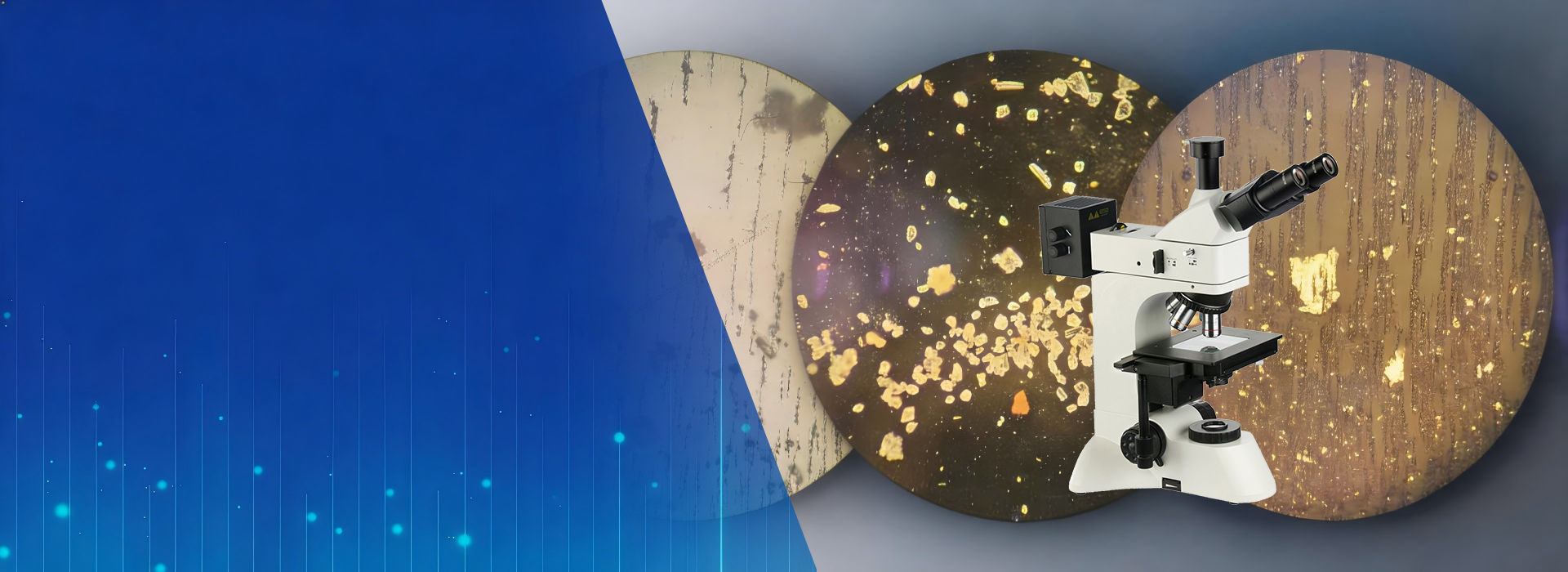
Your Leading Analytical Ferrography Manufacturer in China
Soohow Instrument has mastered the whole process of analytical ferrography, from preparing the spectrum to smartly identifying wear types using a high gradient magnetic field to separate wear particles, microscopic imaging to capture morphology, and deep learning to automatically sort wear types. The system can accurately find and count cutting wear, fatigue spalling, and spherical particles.
We help industrial users turn wear data from lubricating oil into visual diagnostic conclusions that warn them before failures happen.If you want to know more about analytical ferrography or set up a technical exchange with Soohow Instrument, please get in touch. This will help you set up a reliable way to predict when your equipment needs maintenance.
Offer a Variety of Analytical Ferrography for You
There is a different wear mechanism for each type of wear particle seen on a ferrograph slide. Soohow can help you with a wide range of analytical ferrography tools, such as ferrography microscopes and smart analysis software.
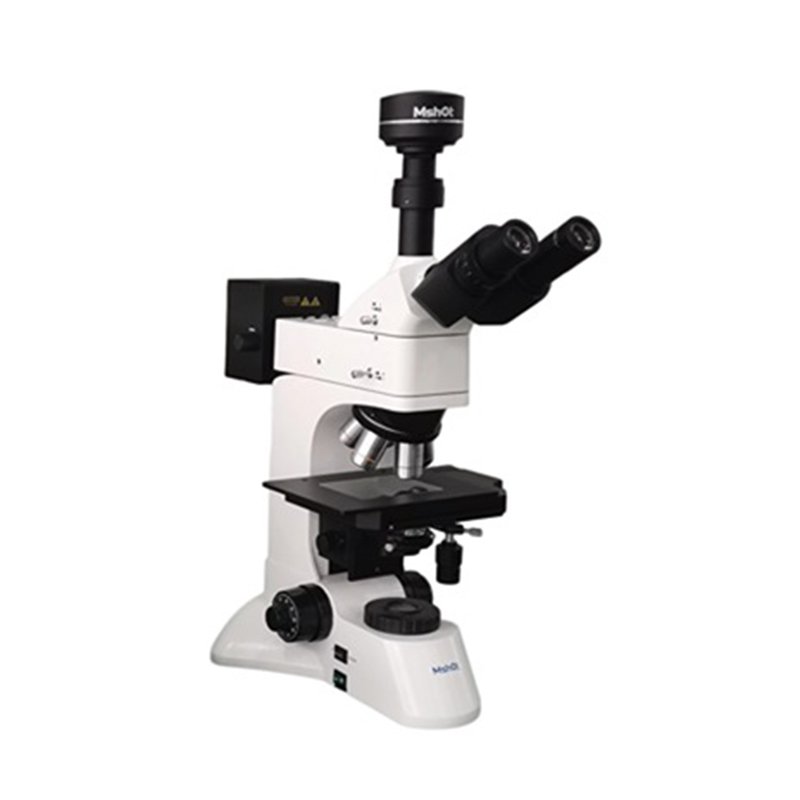 Ferrograph Microscope
It is used to closely look at wear particles on ferrography slides, and it is specifically made for wear particle analysis.
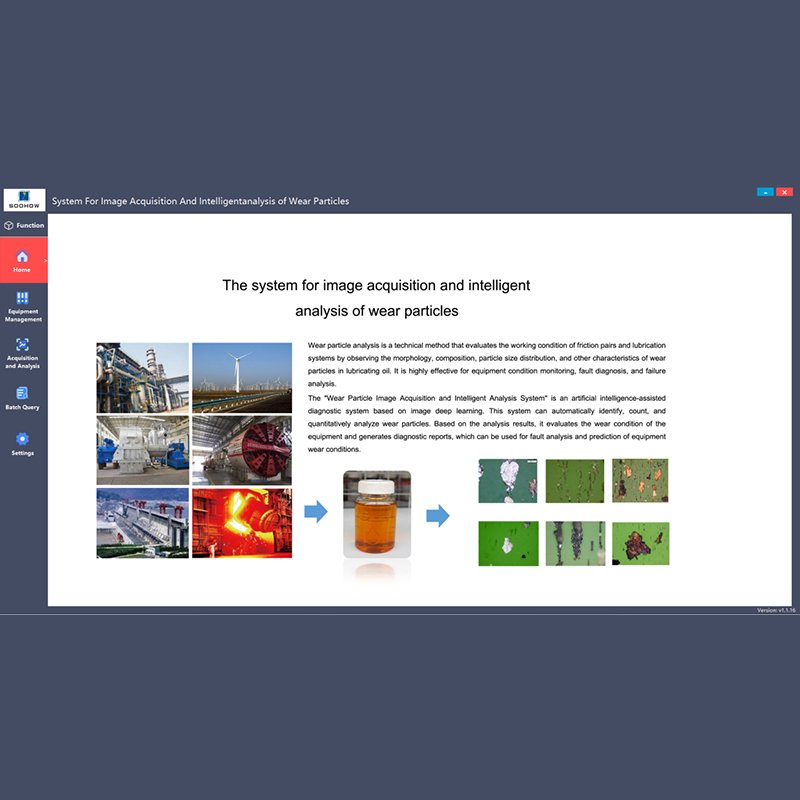 Wear Particle lmage Acquisition and Intelligent Analysis System
It uses deep learning technology to combine three main tasks: getting images, recognizing particles, and analyzing wear.
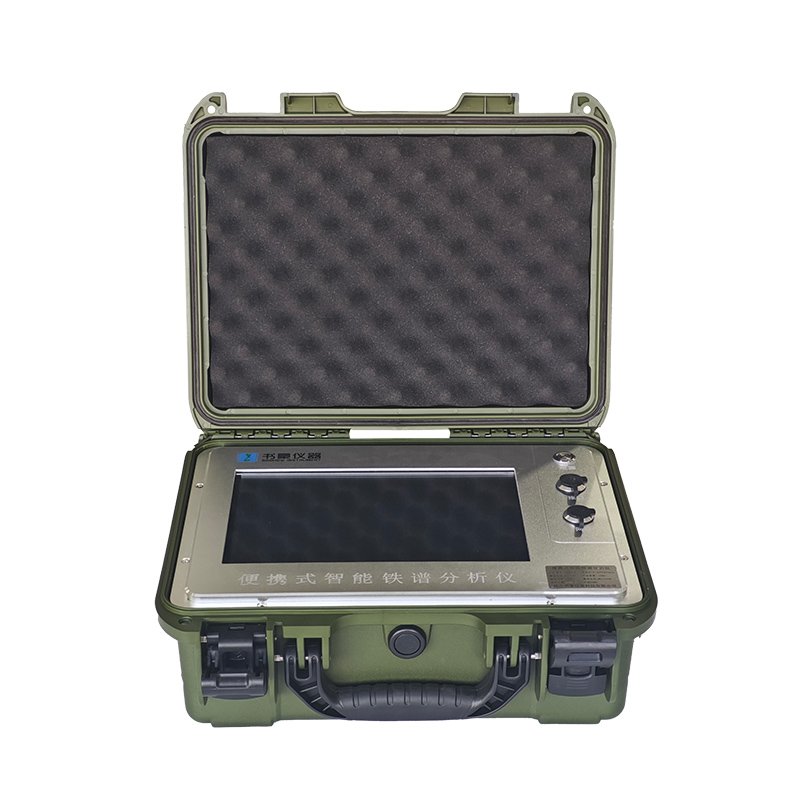 IFP100 Portable Intelligent Ferrograph Analyzer
A portable analytical ferrography device made to quickly find ferromagnetic wear particles in lubricating oil on site.
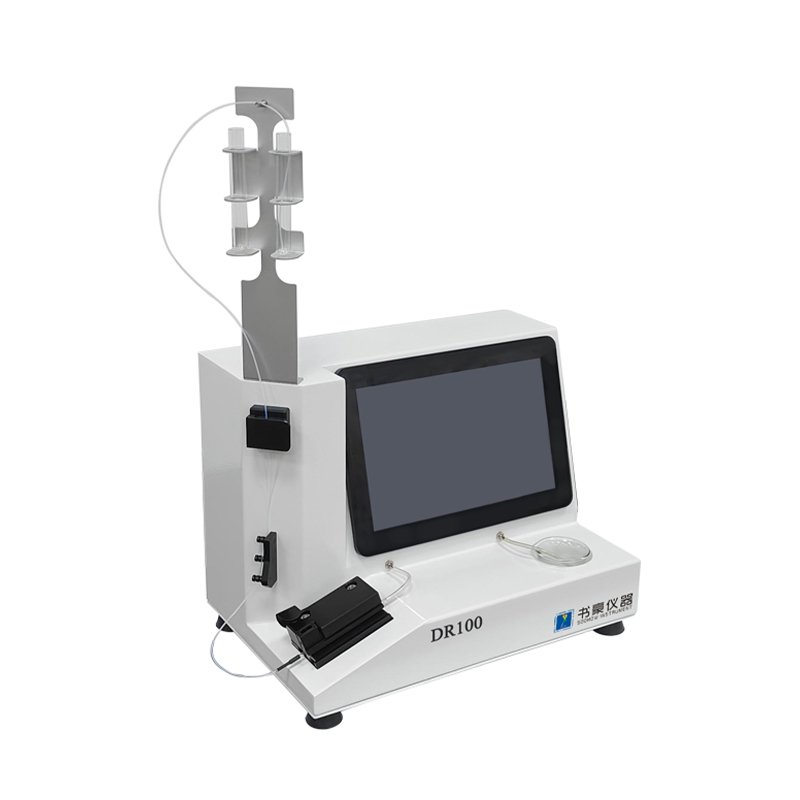 DR100 Direct Reading Ferrograph
An analytical ferrography that is very good at quickly finding and telling the size and content of ferromagnetic wear particles in oil
Analytical Ferrography Ensures Stable Operation of Your Instruments
Analytical ferrography shows wear on equipment by showing particles. You don’t always have to make a ferrogram slide right away, though.
First, use a quick detection tool, such as Soohow’s DR100 or PQ series, to look for ferromagnetic wear particles in the oil. The equipment is working fine if the particle concentration is normal. No further testing is needed. A change in concentration that is not normal could mean that there is a problem with wear. If that’s the case, make a ferrogram from the oil sample so you can look at it more closely.
This method saves time and money on preparing slides and using microscopes on healthy equipment, while putting more resources into making sure that abnormal samples are diagnosed correctly. Quickly checking out suspicious equipment and then using ferrography to confirm the type and severity of wear is a good way to keep an eye on the condition of your equipment.
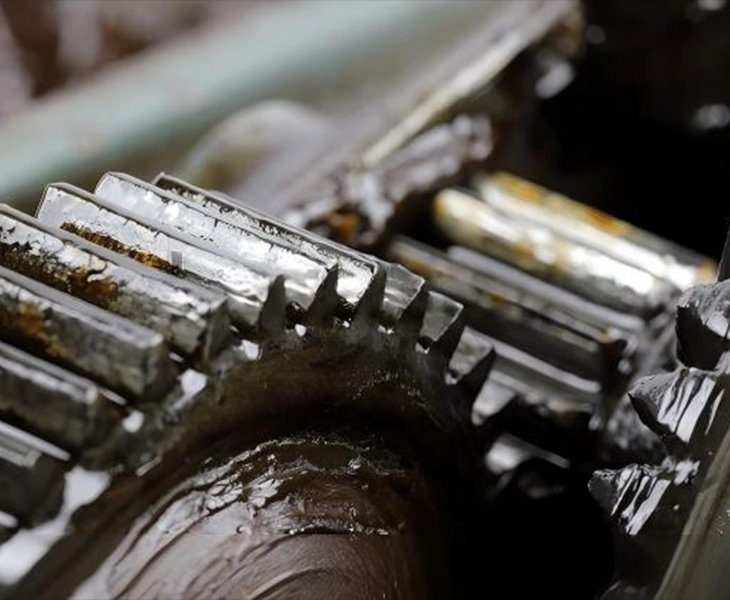
The two go together rather than replacing each other. An analytical ferrography uses a magnetic field to separate particles and make ferrograms, which lets you “see” what the particles look like—whether they are cutting abrasive particles, fatigue fragments, or spherical particles. A spectrometer can tell you how much of wear elements there are in oil, like iron, copper, chromium, and so on. A spectrum shows how much wear there is, while a ferrogram shows what kind of wear there is and how bad it is. Jeremy Lin gives you two tools to help you fully understand what’s going on with your device.
Mining machines work in dirty, heavy places, which quickly wears down gearboxes and hydraulic systems. By periodically finding wear particles in the lubricating oil of the equipment, analytical ferrography can find unusual wear in core equipment like loaders, crushers, and conveyors. For instance, a lot of abrasive grains on a ferrogram could mean that hard particles have gotten in; fatigue spalling could mean that gears or bearings are getting tired. Based on ferrography analysis results, mining companies can change their maintenance plans. This lets them replace worn parts before they break down, which keeps production from being lost due to long periods of downtime.
Marine main engines (diesel engines) have a lot of power and a big cylinder diameter. The combustion chamber has a lot of contact with lubricating oil, which makes a lot of different kinds of wear particles. Analytical ferrography can accurately collect ferromagnetic wear particles from important parts like piston rings, cylinder liners, and bearings. You can tell if piston rings are scratched, cylinder liners are worn, or bearings are fatigued by looking at the morphology and size distribution of the particles on the ferrogram. Analytical ferrography gives ship owners earlier warnings of common abnormal wear in marine main engines, like scratches on cylinder liners and pitting on bearings. This helps them plan for risks during voyages and avoid problems at sea.
You can use analytical ferrography on any piece of equipment that rotates or moves back and forth and uses hydraulic or lubricating oil. It has been used successfully in the following industries: aviation (engines, landing gear), wind power (gearboxes, main shaft bearings), shipbuilding (main engines, auxiliary engines), mining (crushers, conveyors), steel (rolling mills, hydraulic systems), railways (locomotives, vehicle bearings), and power (steam turbines, water turbines). If you’re not sure if your equipment is right for the job, Soohow can do a free oil sample analysis for you and let the results speak for themselves.
Soohow Instrument gives each analytical ferrography instructions on how to set it up from a distance. Once you get the equipment, a technical engineer will help you through video call with the unpacking inspection, putting together the parts, connecting the pipelines, installing the software, and setting the basic parameters. This will make sure that the analytical ferrography is ready to use in 30 minutes. You don’t have to wait for an engineer to come to your location for the whole process. You can start using it the same day.