

Your Leading Ferrous Debris Monitor Manufacturer in China
The detection of ferromagnetic wear particles is a crucial yet often overlooked aspect of equipment condition monitoring.
Traditional detection methods frequently lack sufficient sensitivity to large-sized particles generated by abnormal wear—particles that often serve as early warning signs of impending equipment failure. Addressing this critical industry pain point, Soohow Instruments has developed the PQL ferrous debris monitor series, providing a rapid, intuitive, and quantitative basis for assessing mechanical wear conditions. Ferrous debris monitor has been widely adopted across sectors such as wind power, coal mining, and steel manufacturing, enabling users to timely track wear dynamics during the incipient stages of equipment failure. By transforming reactive maintenance into a predictive and planned condition-based management strategy, the system effectively safeguards production continuity and equipment reliability.
As a specialized manufacturer in the field of ferrous debris monitoring, Soohow Instruments is dedicated to empowering users—through precise detection solutions—to mitigate the risks of sudden downtime and ensure the long-term operational longevity of their assets.
A Variety of Ferrous Debris Monitors for You
The Soohow ferrous debris monitor employs patented sensors and signal processing circuitry, offering excellent stability and high sensitivity. The accompanying PC data management software supports the direct import of measurement data to a computer, assisting you with data management, trend analysis, curve printing, and other operations.
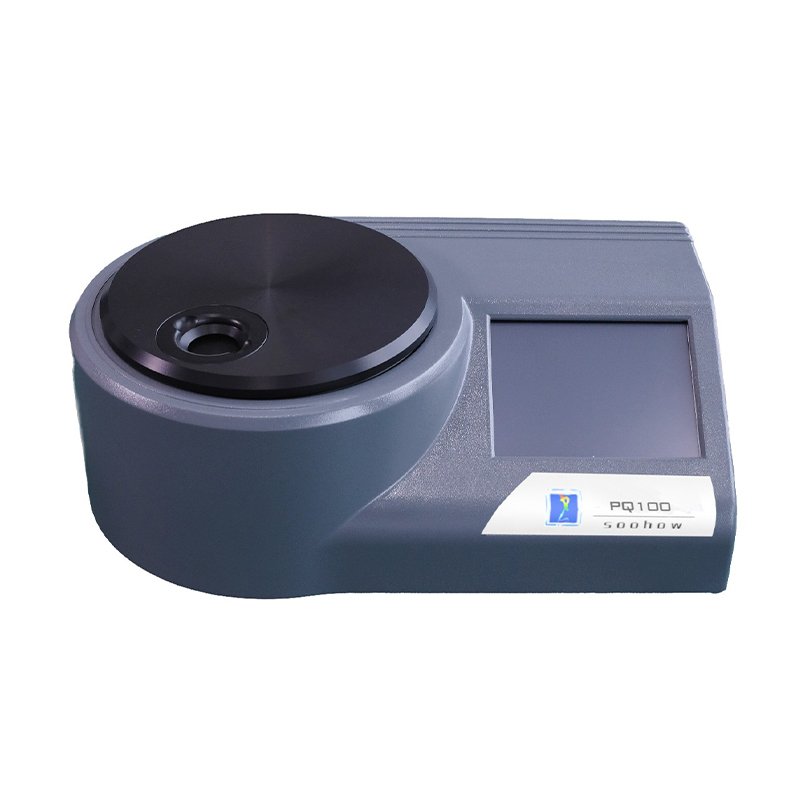 PQ100 Ferrous Debris Monitor
The Basic Ferrous Debris Monitor employs the principle of electromagnetic induction to detect wear particles larger than 1μm.
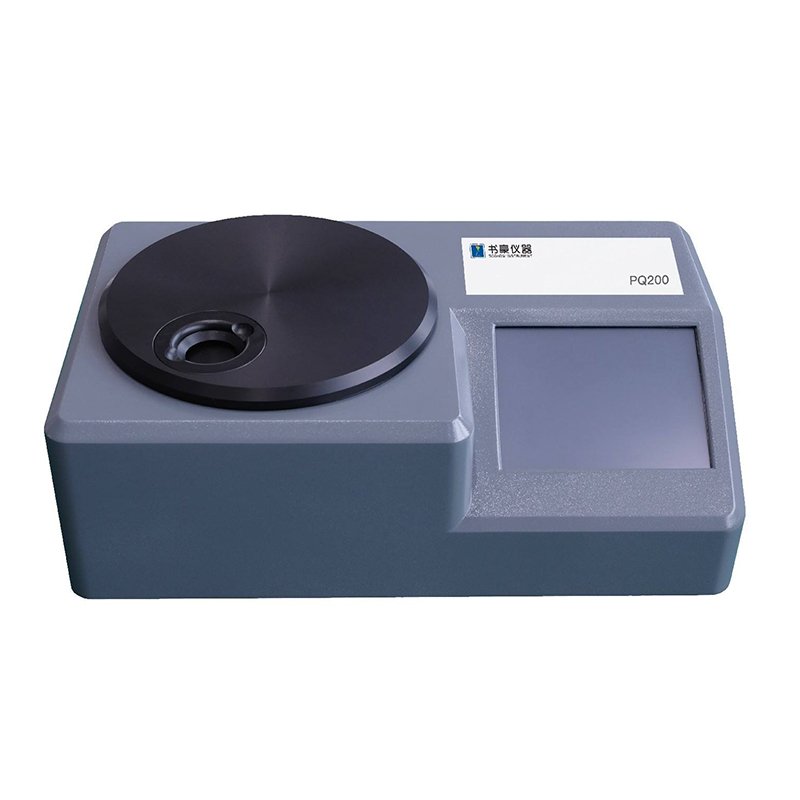 PQ200 Ferrous Debris Monitor
Standard-model Ferrous Debris Monitor: Features optimized sensor performance based on the PQ100 model.
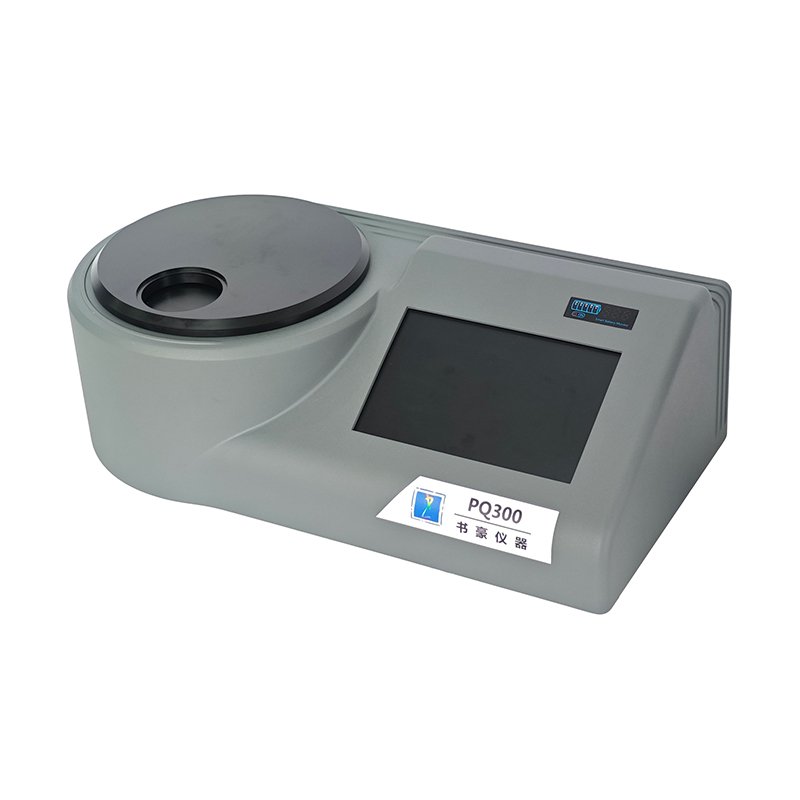 PQ300 / PQ300B Ferrous Debris Monitor
High-Performance Ferrous Debris Monitor, the PQ300B features a built-in rechargeable lithium battery (12,000 mAh), enabling portable, mobile operation.
Ferrous Debris Monitors Installation and Training Services for You
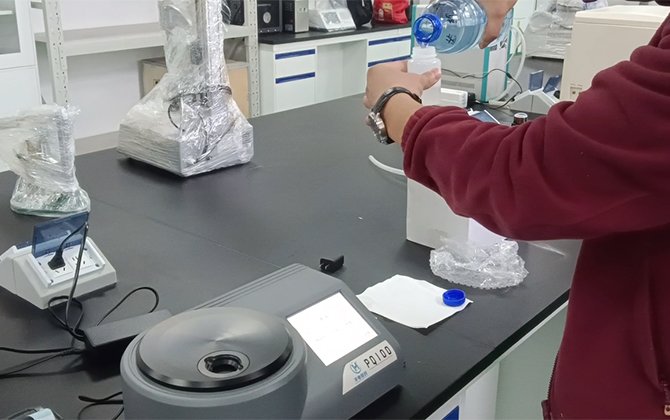
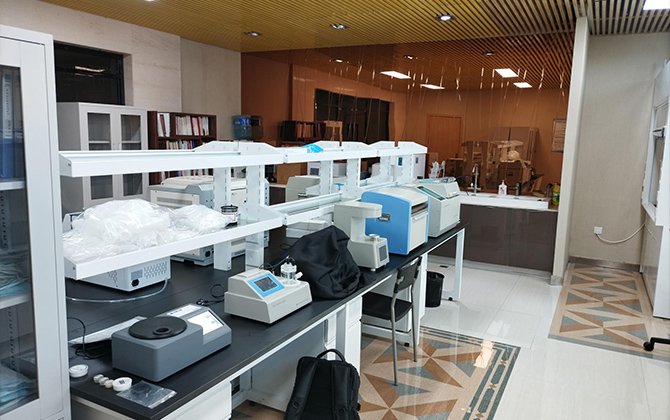
The operation of the Soohow Ferrous Debris Monitor is remarkably simple. Upon receipt of the instrument, we provide remote guidance to help you get up and running in just 20 minutes. We will walk you through the entire process step-by-step—from oil sample collection and sample bottle placement to button operation and result interpretation. Routine maintenance is also hassle-free, as the Ferrous Debris Monitor requires virtually no special upkeep. Should you encounter any issues during subsequent use, you are welcome to contact us at any time; our engineers are available to provide prompt remote assistance. There is no need to schedule on-site visits, ensuring your workflow remains uninterrupted and making equipment testing both simple and efficient.
particles?
The PQ Index is a measurement output by a Ferrous Debris Monitor; it reflects the total quantity of ferromagnetic wear particles present in a fluid sample. Ferrous Debris Monitors feature a built-in, highly sensitive electromagnetic coil. When the fluid sample is placed within a magnetic field, the ferromagnetic wear particles induce a change in the magnetic field strength. The intensity of the electromagnetic induction detected by the coil exhibits a strong correlation with the concentration of ferromagnetic wear particles; this signal is then processed by a dedicated circuit and converted into a quantifiable PQ Value. A higher PQ Index indicates a higher concentration of ferromagnetic particles in the fluid, signifying more severe equipment wear. The PQL series from Soohow Ferrous Debris Monitors offers a measurement range of 0–15,000 PQ, with a resolution of up to 1 PQ.
The Soohow PQL series Ferrous Debris Monitor complies with the ASTM D8184 testing standard. When assessing equipment condition, the primary focus should be on the trend of the PQ Index rather than on a single absolute value. It is recommended to establish an equipment baseline (the PQ Index obtained with fresh oil or during normal operation); if the PQ Index shows a sustained increase or exceeds the baseline by a factor of 2 to 3, it indicates the potential presence of abnormal wear. If the PQ Index rises sharply, the equipment should be shut down immediately for inspection. When utilized in conjunction with trend analysis software, early warning thresholds can be set to enable intelligent alarm notifications.
Ferrous Debris Monitor is suitable for the detection of ferromagnetic particles in various types of lubricating oils, hydraulic fluids, and greases. It is widely applied in: condition monitoring of wind turbine gearboxes; wear monitoring of coal mining and transport equipment (such as internal combustion locomotives and transmission gearboxes); evaluation of lubricating oils in steel and metallurgical machinery; bearing wear monitoring in marine engines; and cleanliness control of lubricating oils in precision machine tools. It is particularly well-suited for scenarios requiring the capture of signals indicating large particles associated with abnormal wear.
Different models feature different configurations: the PQ100 and PQ200 are powered by AC 220V and are suitable for stationary laboratory use; the PQ300B features a built-in rechargeable lithium battery (12,000 mAh), enabling portable, mobile operation. The unit is lightweight (approximately 3.8 kg for the PQ100, 5 kg for the PQ200, and 4.7 kg for the PQ300), allowing it to be easily transported to the field for rapid testing—making it ideal for applications requiring mobile inspection, such as in wind power, mining, and marine industries.
Yes, it can. However, grease samples require special preparation: take approximately 1 g of grease and add 10–20 mL of a diluent (such as petroleum ether) to ensure complete dissolution and dilution. After shaking the mixture thoroughly, extract the clear supernatant and transfer it into a sample vial for measurement. Direct measurement of grease is not feasible because its high viscosity prevents uniform distribution. It is recommended to establish a standardized dilution ratio and operating procedure to ensure the comparability of results.