

Your Leading Oil Condition Monitor Manufacturer in China
When you only rely on experience to check the condition of oil, you may have to wait until the equipment breaks down before you notice the problem. The Soohow series of oil condition monitors includes a variety of standalone tools, such as kinematic viscometers, densimeters, and Total Base Number (TBN) testers, that are made to measure viscosity, density, and alkalinity, respectively. You can choose a single unit or combine several instruments for more thorough testing, depending on your specific oil analysis needs. All of the devices are portable, so you don’t have to send samples to a lab; you can make data right there on the spot.
We encourage you to get in touch with Soohow Instrument for professional help in choosing the right oil condition monitoring equipment. This will allow you to make more informed decisions about when to change your oil.

Offer a Variety of Oil Condition Monitors for You
The Soohow oil condition monitor series looks at three main parts of oil performance evaluation. The three types of tools can be used on their own or together to help you figure out if the oil is still good to use from different points of view.
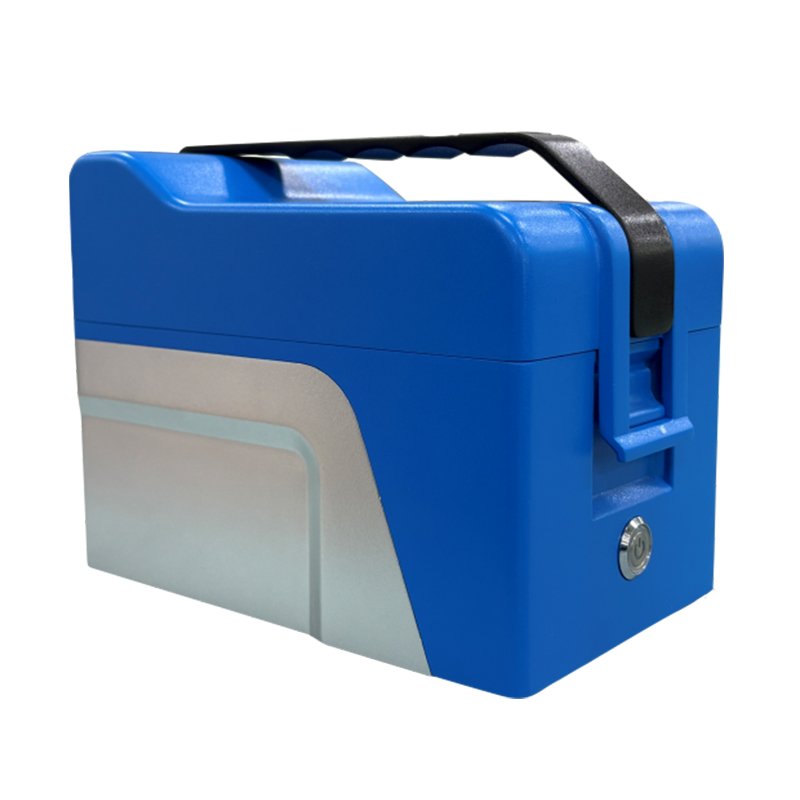 VS800 Portable Kinematic Viscometer
Quick and easy single-test on-site to see if the viscosity is up to standard.
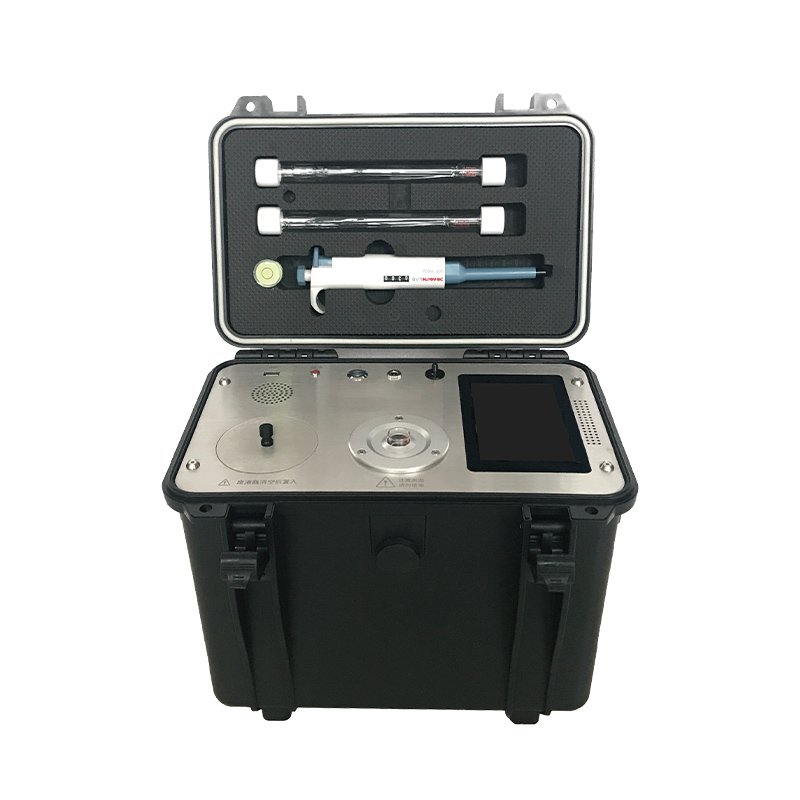 VS600 Portable Rapid Kinematic Viscometer
Complete automation of detection and cleaning; you can test high-viscosity oil samples right on the site.
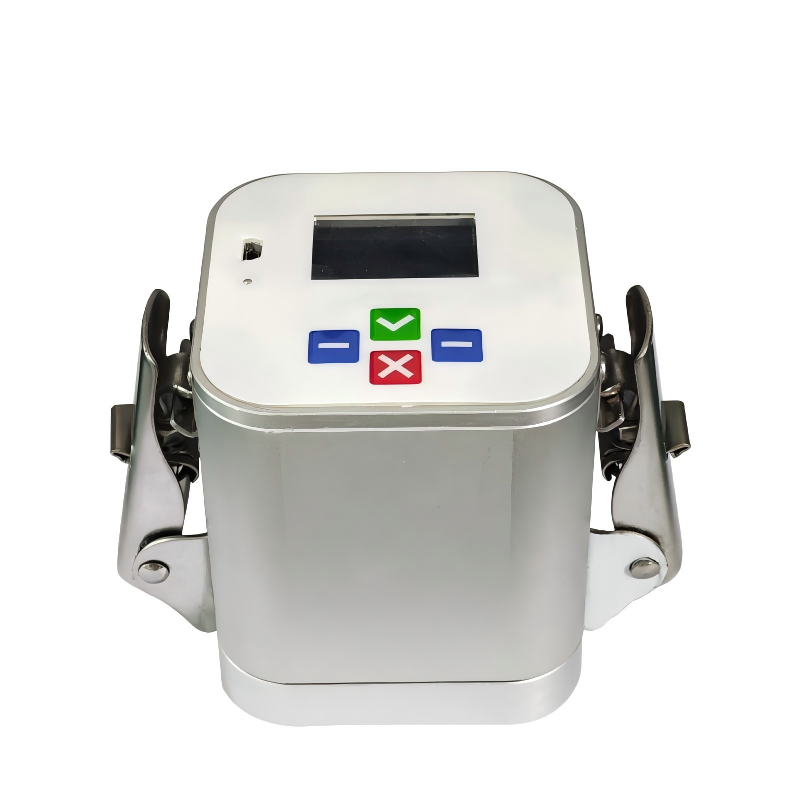 TBN100 Portable Total Alkalinity Tester
Quickly find out the base number on-site to see if the oil can still neutralize acid.
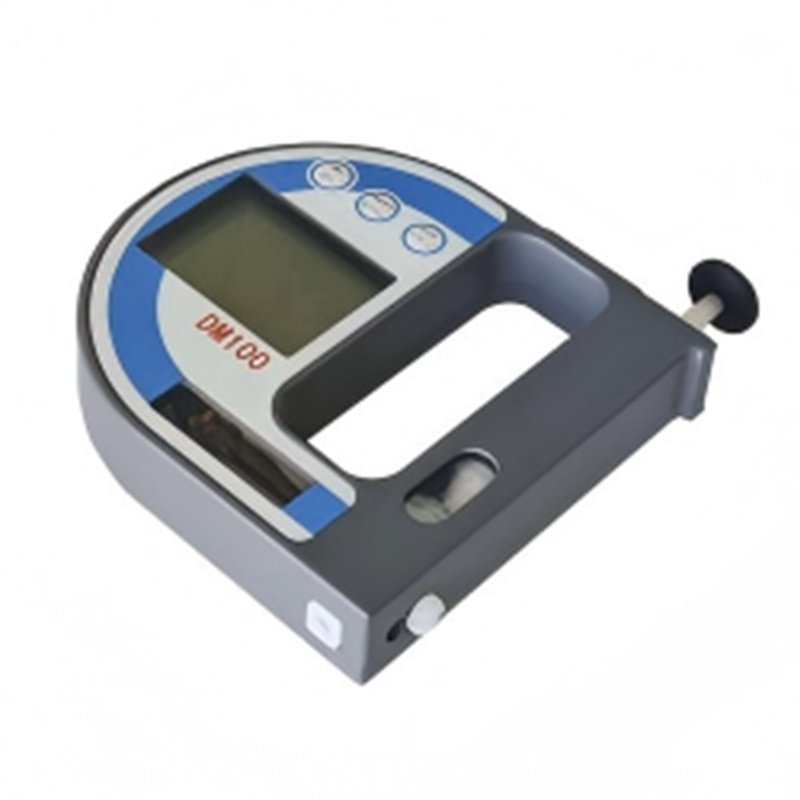 DM100 Density Meter
Lightweight and easy to carry, so you can take measurements right away to see how the oil density has changed.
Oil Condition Monitors Tell You When to Change Oil
Lubricating oil changes in many ways while it is in use. If you only rely on experience to figure out when to change the oil, you could either change it too soon, which wastes oil, or too late, which could damage the equipment. You can accurately tell if the lubricant is still working well by using an oil condition monitor to keep an eye on key oil parameters over time.
With the oil condition monitor, you can quickly get information about viscosity, density, and total base number (TBN) right on the spot. This lets maintenance workers decide right away if an oil change is needed at the equipment site, without having to wait for lab reports. By keeping an eye on changes in the oil’s condition in real time, maintenance teams can plan oil changes with great accuracy. This protects the integrity of the equipment and saves money at the same time.
Oil condition monitors use the same basic ideas as lab equipment, such as the capillary method for kinematic viscosity, the oscillating U-tube method for density, and the pressure method for Total Base Number/TBN. As a result, their test results are very similar to those from labs. For example, when measuring kinematic viscosity, the difference between field-based oil condition monitors and laboratory viscometers is usually less than 3%, which is more than enough for routine trend monitoring. But in cases where formal reports need to be made or arbitration testing needs to be done, it is still best to use laboratory methods to confirm. Oil condition monitors are best used for quick on-site checks and to figure out when the best time is to change the oil.
Oil condition monitors have built-in memory that can hold hundreds to thousands of data sets, such as measured values, timestamps, sample IDs, and more. Users can use a USB interface to send this data to a computer. The data can be saved in CSV or Excel spreadsheet files. Soohow’s data management software can automatically make trend curves for changes in viscosity, density, and TBN depletion. It can also compare data from different devices and times. Users can also upload their data to the Soohow Cloud Platform, where engineers can help them analyze trends and send them quarterly reports on how to interpret the data.
When taking oil samples on-site to be tested with an oil condition monitor, keep the following in mind: You should take samples from the oil circulation line while the equipment is running at its normal working temperature. Don’t take samples from the bottom of the oil sump, because that area may have sediment that has built up over time. Let a little oil drain out before taking the sample to clean out the sampling port. This will stop stagnant oil from getting into the dead zone and ruining the sample. Use a clean, dry sample bottle so that dust and moisture don’t get in. Finally, do the analysis as soon as you can after taking the sample to stop the particles from settling and the oil from oxidizing. It might help to gently heat the oil before taking samples of high-viscosity oil. Soohow gives you a special sampling kit with sample bottles, pipettes, and disposable gloves to make sure that the sampling is done correctly.
Soohow oil condition monitoring tools work with almost all mineral-based and synthetic-based lubricants, such as engine oils, gear oils, hydraulic oils, turbine oils, transformer oils, marine oils, and more. For specialized lubricants like biodegradable oils or high-viscosity greases, you may need to change the detection parameters or pretreat the samples. The kinematic viscometer can look at both clear and cloudy oil samples. The densimeter can look at any type of Newtonian fluid. The Total Base Number (TBN) tester is made for lubricants that have alkaline additives. Soohow will test the compatibility of your lubricant for free if it is a very specialized type.
Soohow technical engineers help users one-on-one over video calls, guiding them through the whole installation process, from unboxing and checking the inventory to putting the instruments together, turning on the thermal system, and setting the basic parameters. For the kinematic viscometer, engineers show users how to set up the split-type capillary sample cell and calibrate the photoelectric sensors. For the densimeter, they show users how to do a self-check on the U-tube oscillator and check the temperature compensation. For the TBN tester, they show users how to calibrate the pressure sensor to the zero point. The whole process of installing the software remotely takes about an hour, so users don’t have to wait for an engineer to come to their site and can start trial operations the same day.