
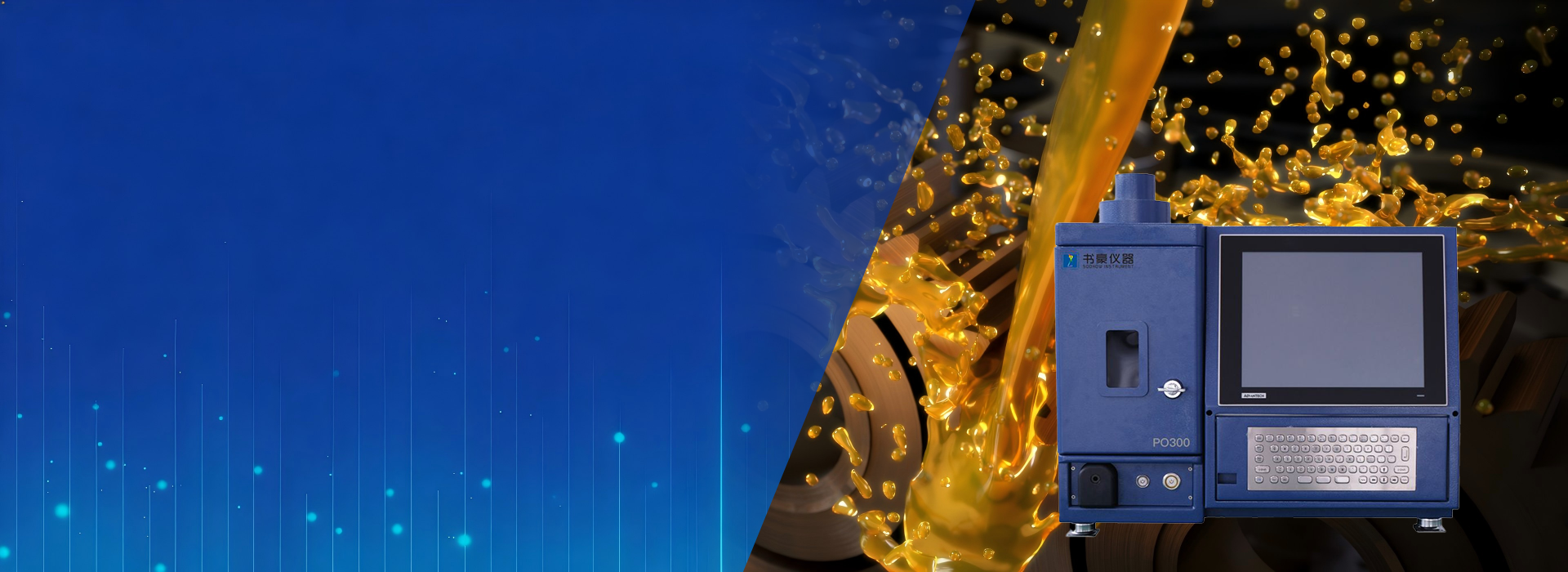
Your Leading Optical Emission Spectrometer Manufacturer in China
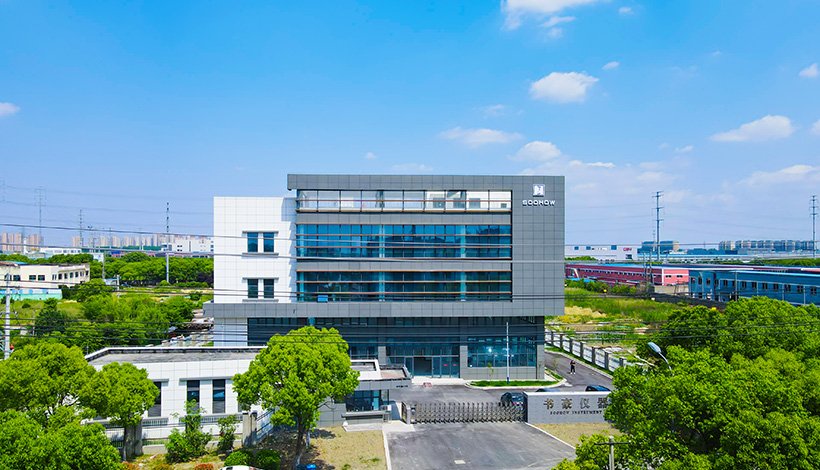
Soohow Instrument is an expert in the in-depth development of optical emission spectrometer technology. We design and make every part on our own, from excitation sources and spectroscopic systems to detectors and analytical software. This full supply chain control feature lets us quickly adapt solutions to fit the needs of different industries: We improve vacuum optical paths and excitation parameters for the steel industry, which needs to look at light elements like carbon and sulfur. We also created a small rotating disk electrode spectrometer for oil monitoring, which needs to find things quickly on site. For gold and precious metal detection, which needs very precise component analysis, we also offer professional optical emission spectroscopy solutions.
We don’t just copy and paste technology from one product to another; we really think about how each product will be used in real life. Please get in touch with Soohow Instrument to get a spectroscopy solution made just for your industry. This will let you do accurate analysis to protect the quality of your products.
Soohow Offers You a Variety of Optical Emission Spectrometers for Fluid Analysis
Optical emission spectrometers can precisely detect the types and concentrations of trace elements in fluids, thereby translating the internal wear status of equipment into quantifiable data metrics.
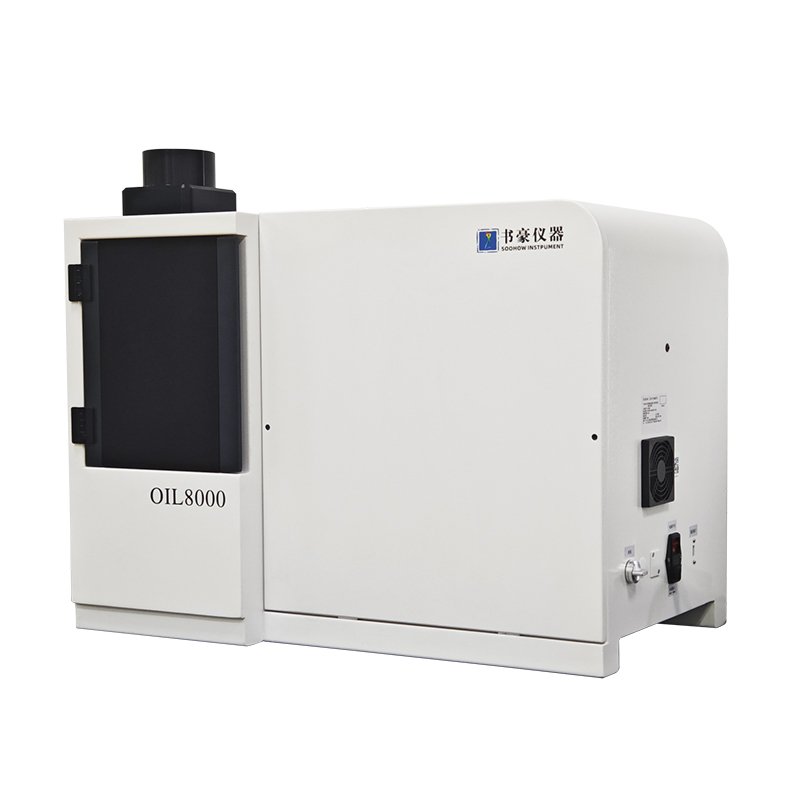
Basic-model oil spectrometer, capable of detecting 24 elements.
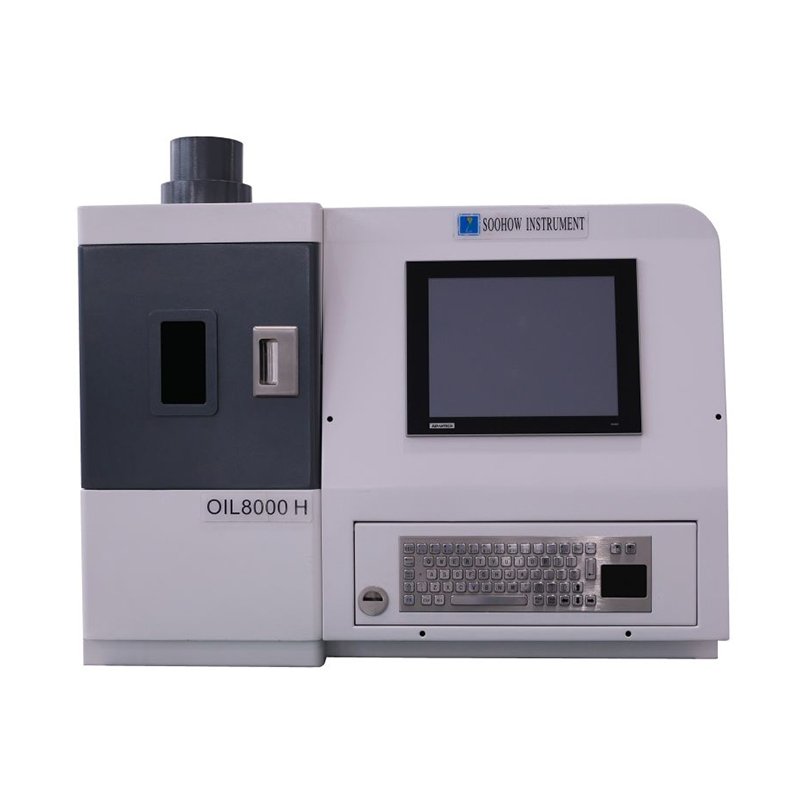
The improved oil spectrometer has a built-in computer, eliminating the need for external connections and reducing interface pairing requirements.
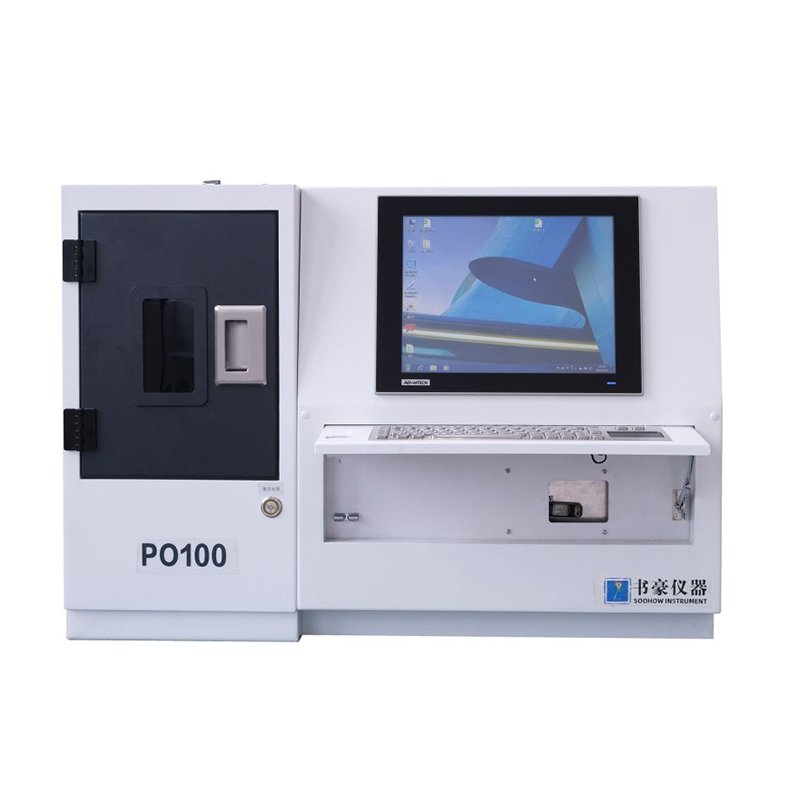
High-end oil spectrometer with built-in grinder, for fixed laboratory use.
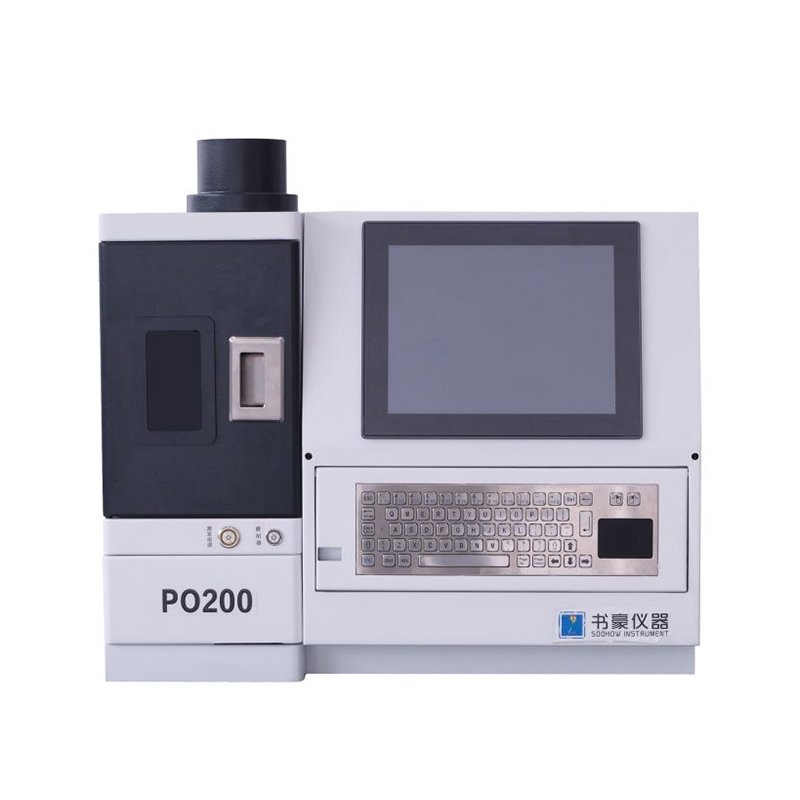
A balanced-type oil spectrometer designed to minimize weight while maintaining analytical capabilities to the greatest extent possible.
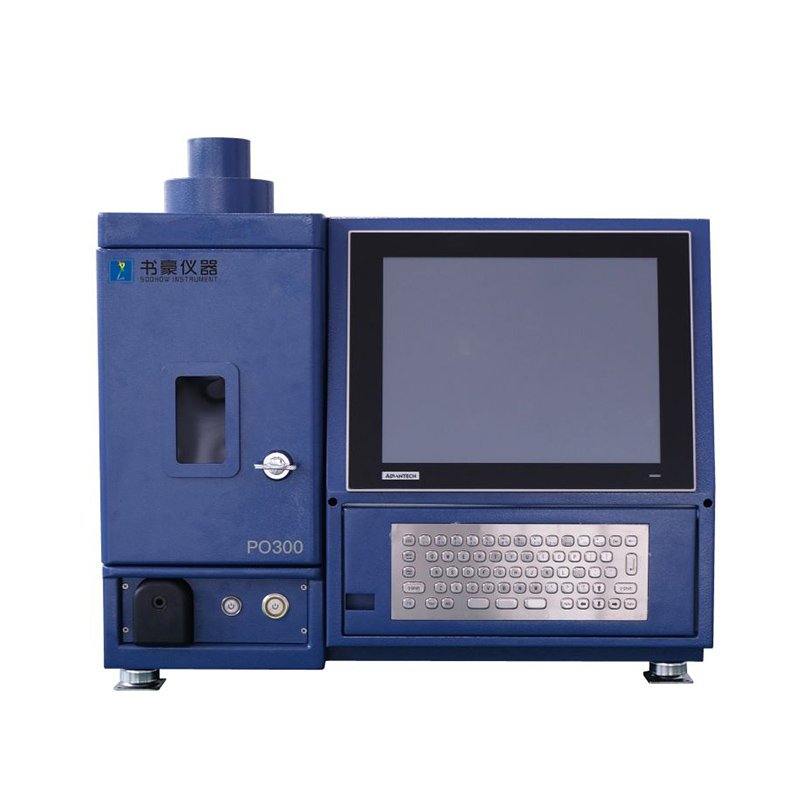
The portable oil spectrometer makes the instrument much lighter, which is great for places where it needs to be moved around a lot.
Soohow Offers You a Variety of Optical Emission Spectrometers for Metal Analysis
Optical emission spectrometers can accurately detect the content of dozens of elements in metal samples, providing reliable data support for the entire production process, from raw material acceptance to finished product quality control.
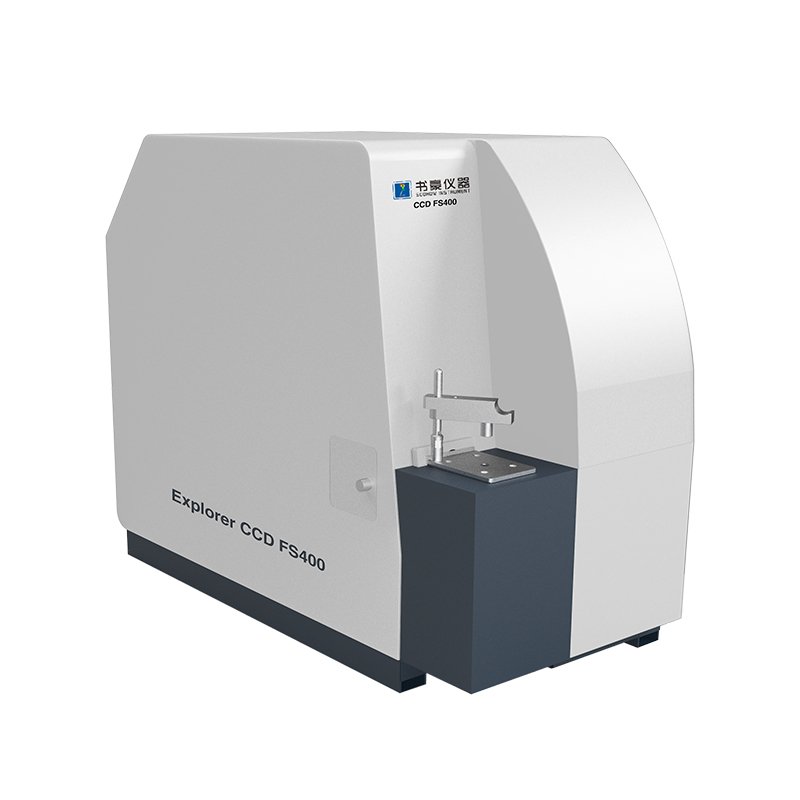
This basic benchtop direct-reading spectrometer can analyze common elements in metallic matrices such as iron, aluminum, and copper.
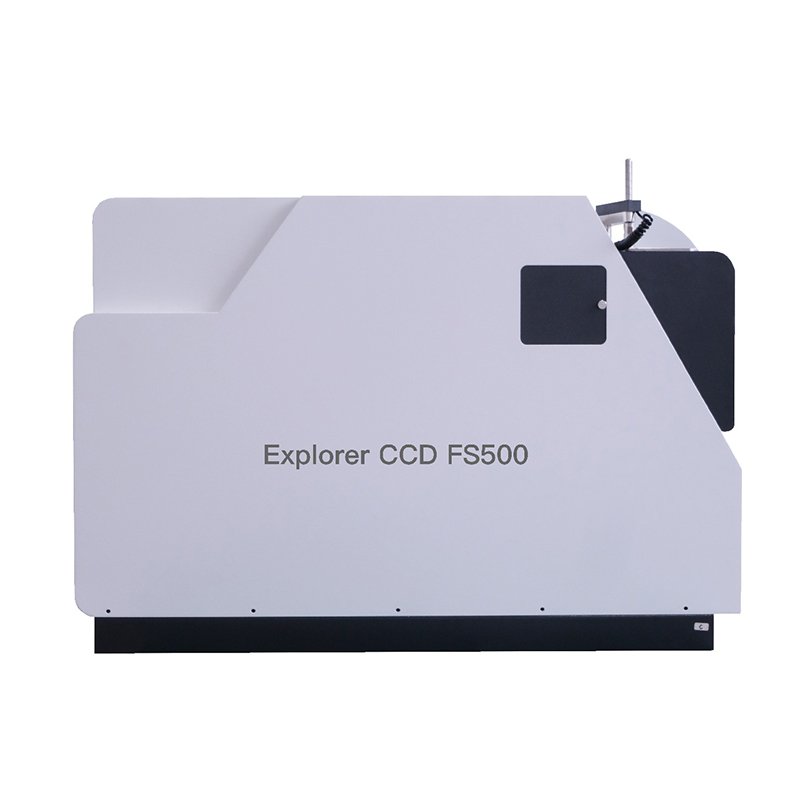
A general-purpose benchtop direct-reading spectrometer offering higher precision, suitable for industries such as casting and mechanical processing.
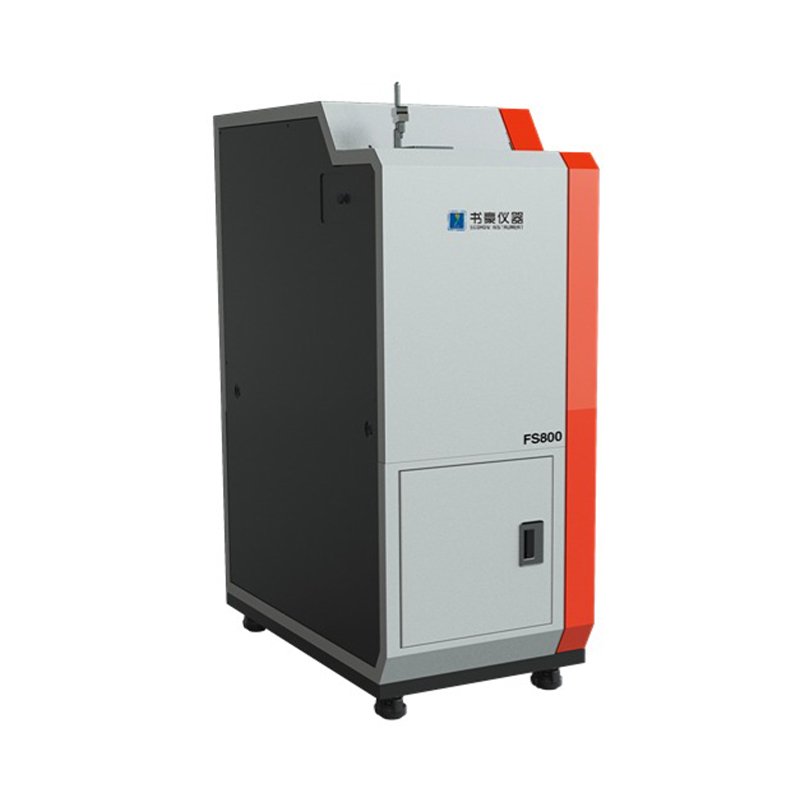
A general-purpose vertical direct-reading spectrometer, now equipped with small wheels and drawers for enhanced convenience.
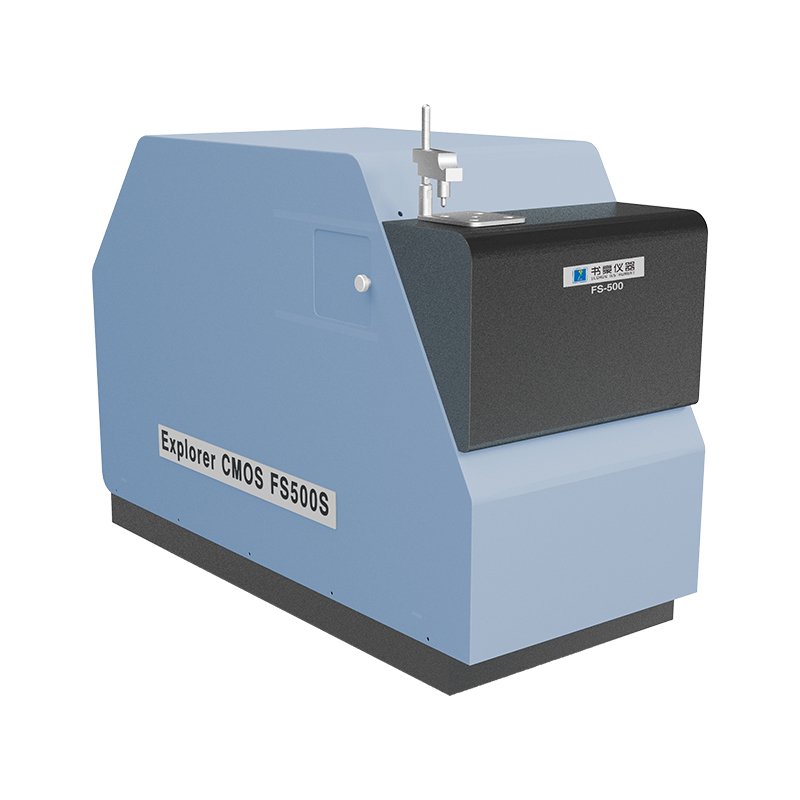
An upgraded benchtop spectrometer featuring a CMOS sensor to replace the traditional CCD.
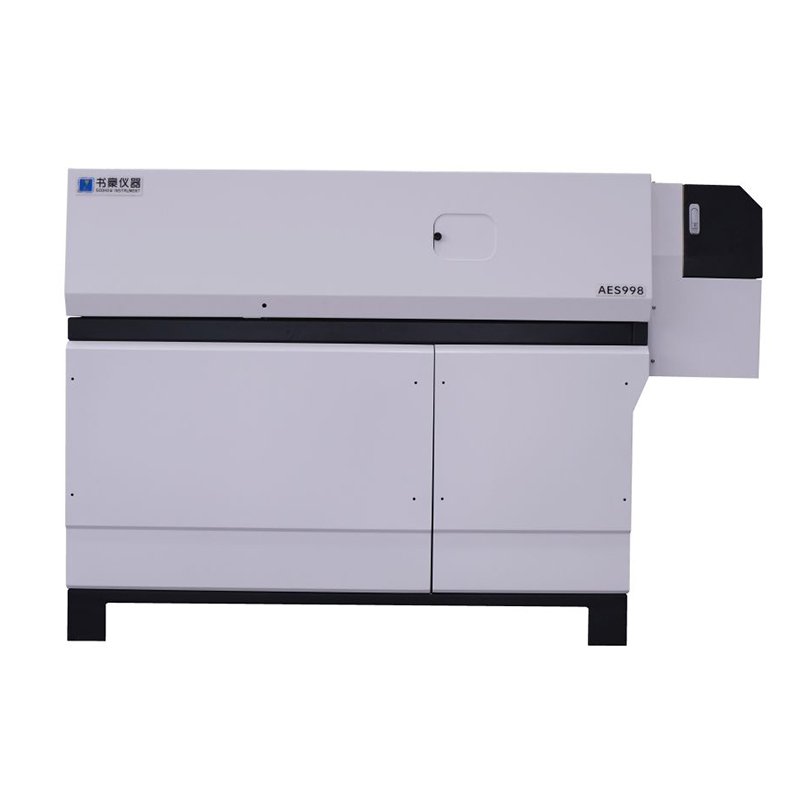
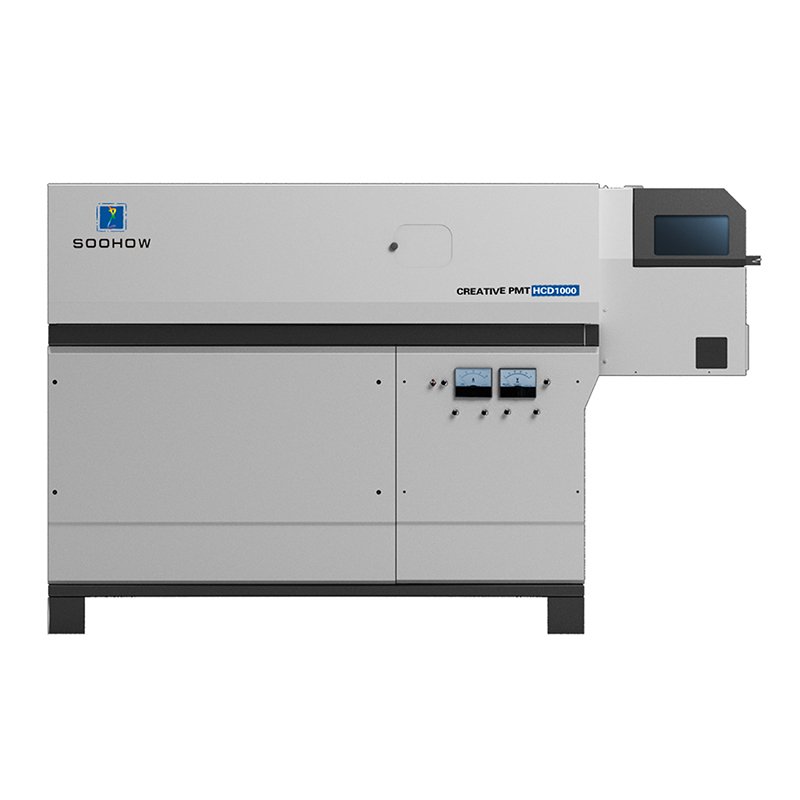
Floor-standing, high-precision spectrometer utilizing a photomultiplier tube detector.
Specifically designed for the analysis of trace impurity elements in ultra-pure refractory metals, achieving a maximum precision of 0.000001%.
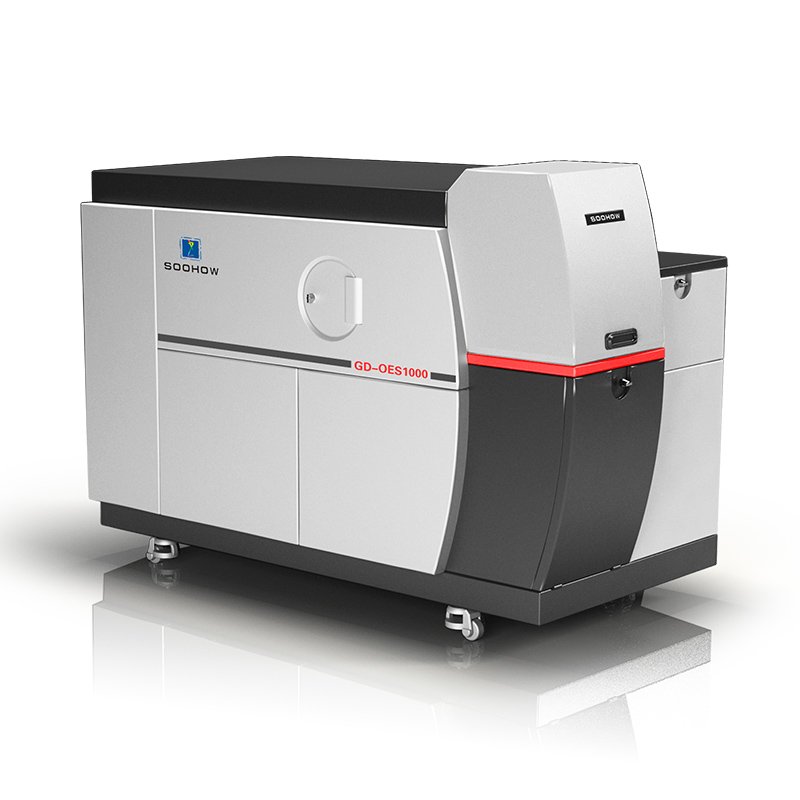
Specifically designed for material surface analysis and in-depth profile analysis
Soohow Offers You a Variety of Optical Emission Spectrometers for Gold Analysis
Soohow’s optical emission spectrometer enables the rapid and non-destructive detection of the content of dozens of elements in precious metals, providing a precise basis for value assessment—from jewelry manufacturing to recycling and refining.
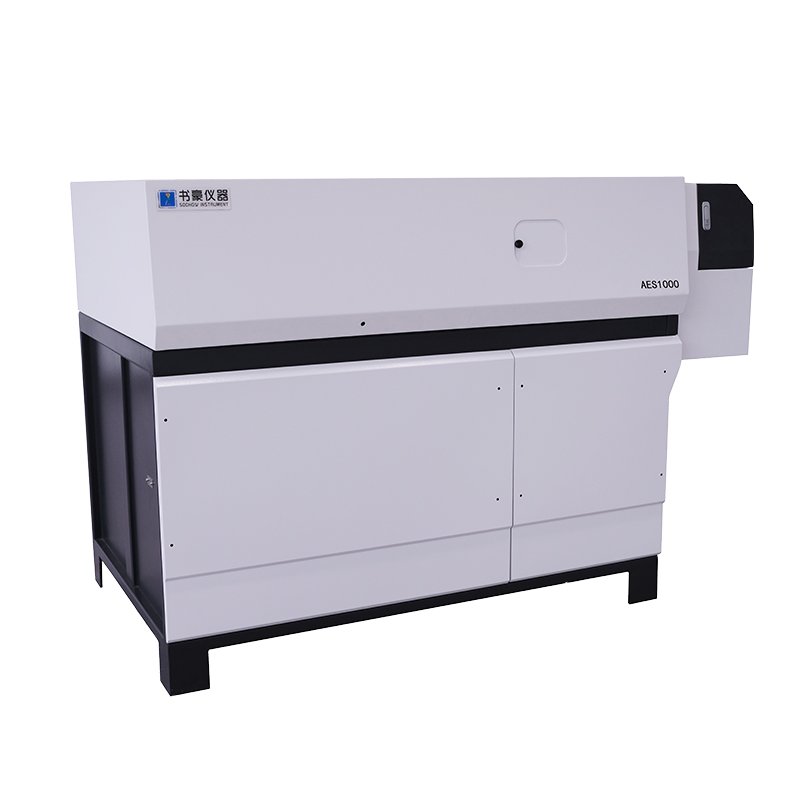
Based on the AES998, an analysis curve for gold has been added.
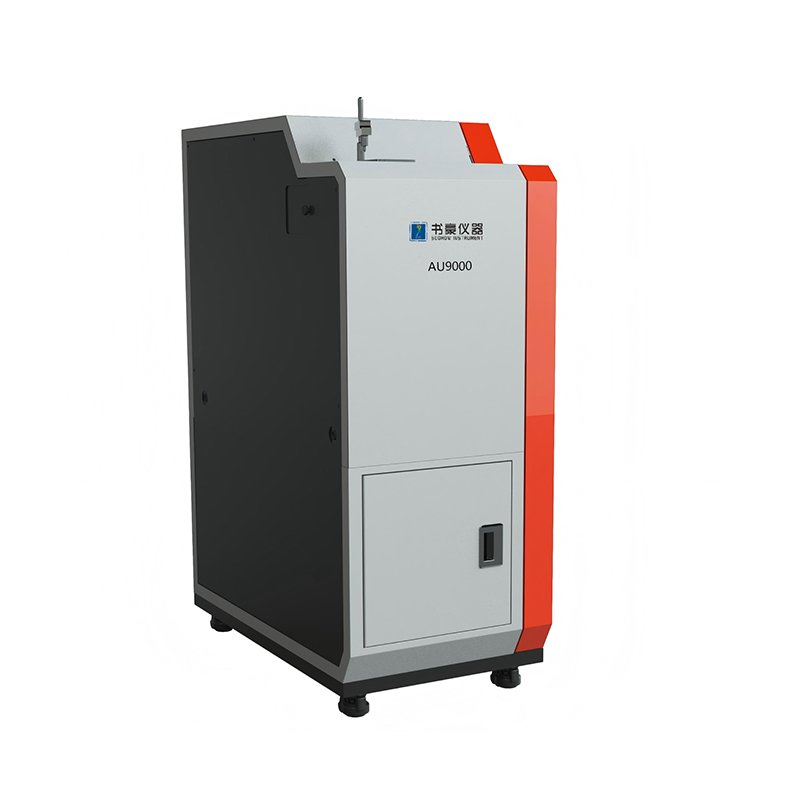
Based on the FS800, an analysis curve for gold has been added.
Soohow Provides You with Installation and Training Services
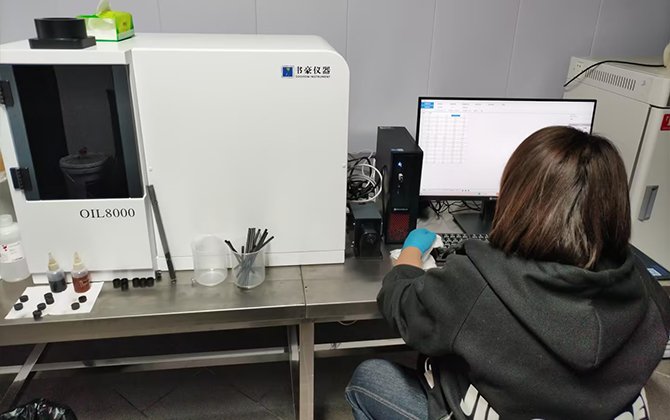
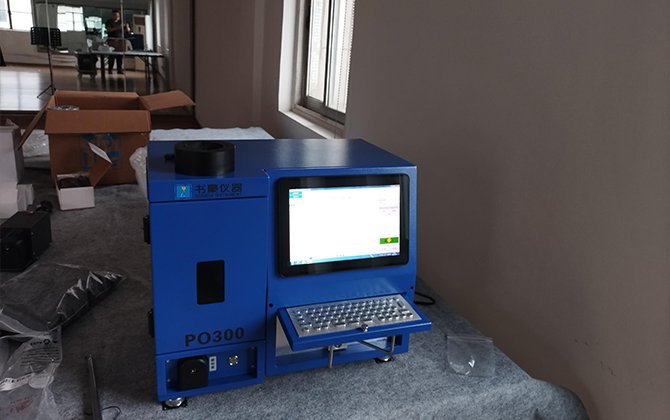
The Soohow technical team will help you with unboxing, installing, connecting tubing, and setting up basic parameters for your optical emission spectrometer through video calls. This will make sure that the instrument works correctly in your specific site environment. After the installation and commissioning are done, we offer online training for you and your team on how to use the instrument, how to prepare samples, how to standardize and calibrate, how to interpret data, and how to do routine maintenance. This training includes both hands-on demonstrations and interactive Q&A sessions. It will keep going until your operators can do their own analyses.
Soohow also gives you detailed operation manuals in Chinese and English, as well as video tutorials that you can watch at any time. If you have any problems, just send us an email or instant message. Our engineers are available to help you from a distance and will respond quickly. Choose Soohow; our support is always online, even when you’re far away.
Optical emission spectrometers can look at a wide range of sample types, depending on the excitation source and sample introduction system used:
Solid metals are metals that come in bulk, rod, or powder form. They can be iron, aluminum, copper, nickel, magnesium, zinc, titanium, or other metals.
Liquid Samples: Greases, fuels, lubricating oils, hydraulic fluids, and so on.
Specialized Samples: ultra-pure refractory metals, precious metals, semiconductor materials, and so on.
It is important to choose the right optical emission spectrometer model and accessory configuration for each type of sample.
The analytical capability of an optical emission spectrometer is contingent upon its configuration and spectral range. Soohow optical emission spectrometers can look at both metallic and some non-metallic elements. Some common examples are:
Ferrous Materials: C, Si, Mn, P, S, Cr, Ni, Mo, Cu, V, Ti, Al, and so on.
Not iron-containing metals: Mg, Zn, Pb, Sn, Fe, Cu, Ni, Cr, Zr, etc.
Fluid Analysis: 24 different kinds of wear metals and extra elements (Al, Ba, B, Ca, Cd, Cr, Cu, Pb, Mg, Mn, Mo, Ni, P, Si, Ag, Na, Sn, Ti, V, Zn, Fe, K, Li, and Sb).
There are two types of detectors in optical emission spectrometers: CCD (Charge-Coupled Device) and PMT (Photomultiplier Tube). Full-spectrum direct-reading technology is used by CCD-based optical emission spectrometers to capture the entire spectral range in a single excitation event. This means that new elements can be added later without having to change any hardware, making them perfect for situations where multiple matrices and elements need to be analyzed. Optical emission spectrometers that use PMTs have a separate, independent channel for each element. This makes them more sensitive and gives them a wider dynamic range. This is especially helpful for analyzing trace elements and materials that are hard to excite, like cast iron and cast aluminum. Soohow offers both technologies, so users can choose the one that best meets their analytical needs.
Every day, check the argon gas pressure, clean the excitation stand, and write down the instrument’s status.
Every week, depending on how many samples there are, clean the lenses and check the electrodes for wear.
Once a month, check the optical path system, calibrate and standardize the system, and clean the cooling fan filters.
Every three months, check the oil level in the vacuum pump (for vacuum-type optical chambers) and calibrate the system that controls the temperature.
Every year, a professional engineer should do full maintenance and check the performance of the detectors.
If the excitation is unstable or not present, check the argon gas pressure, the electrode gap, and make sure the sample is in contact with the right place.
If the signal is weaker, clean the lenses, check the excitation stand for dirt, and calibrate the optical path.
Changes in the results of the analysis: Re-standardize the instrument, check the validity of the reference materials, and make sure the sample preparation steps are correct.
Problems with software communication: Check the cables that connect the two devices, restart both the instrument and the computer, and make sure the drivers are up to date.
Changes in the temperature of the optical chamber: Check the temperature control system to make sure the temperature stays stable.
Please see the product manual or get in touch with Soohow technical support for more information on how to fix problems.