
Particle Analyzer Analyzes Quickly for You
The Soohow particle analyzer’s first step, which quickly finds particles, lets you quickly determine whether an oil sample is likely to cause abnormal wear before spectral analysis. This saves time and money.
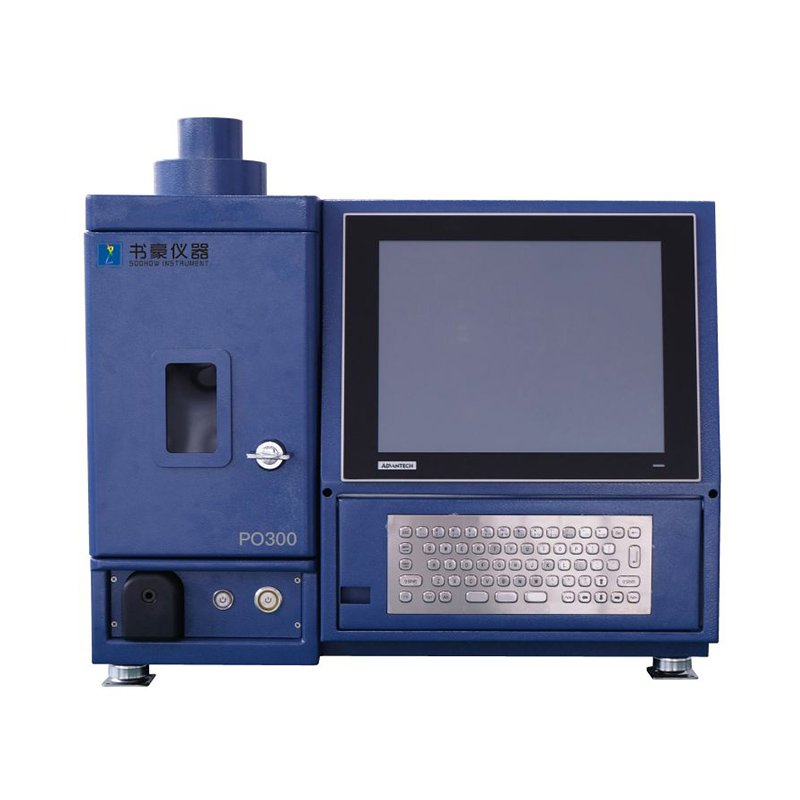 PO300 RDE-OES Elemental Analyzer
A small oil spectrometer that can find out what elements are in wear particles in oil.
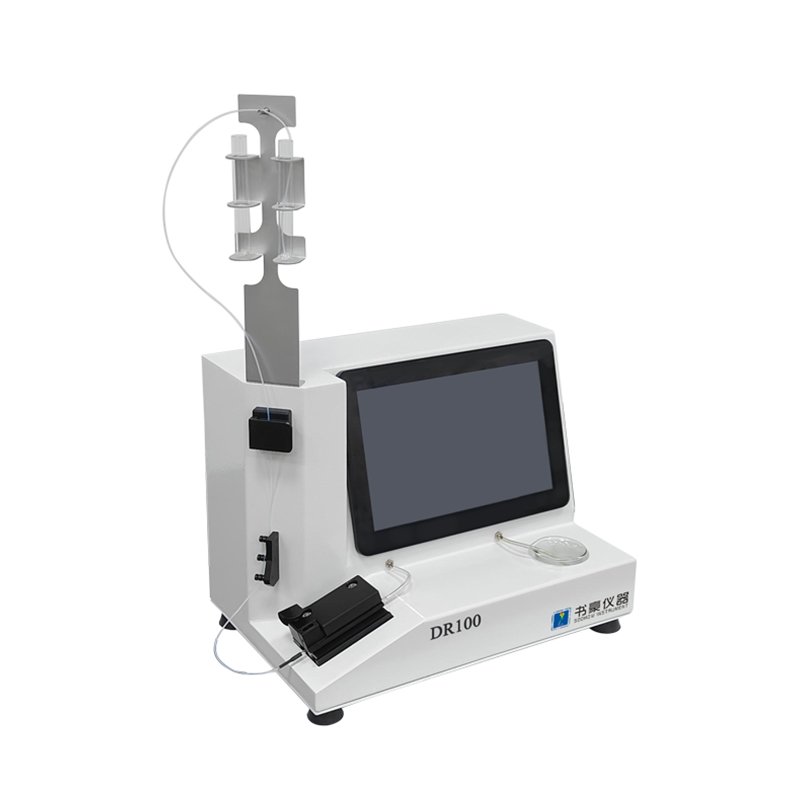 DR100 Direct Reading Ferrograph
Find out how many large (>5 μm) and small (<5 μm) ferromagnetic abrasive particles there are separately.
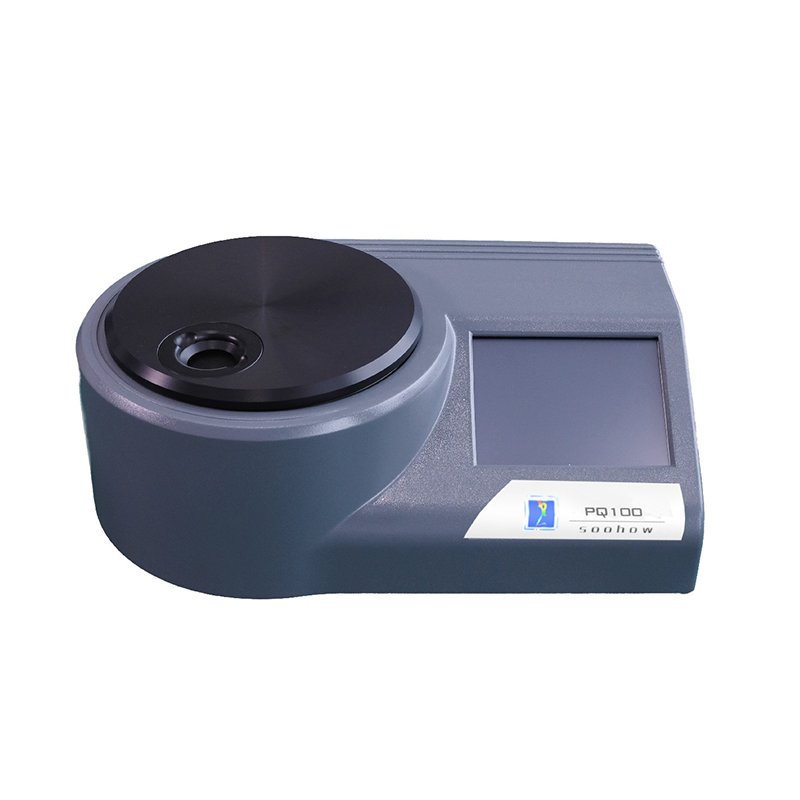 PQ100 Ferrous Debris Monitor
It uses the principle of electromagnetic induction to find ferromagnetic wear particles in oil in less than 10 seconds.
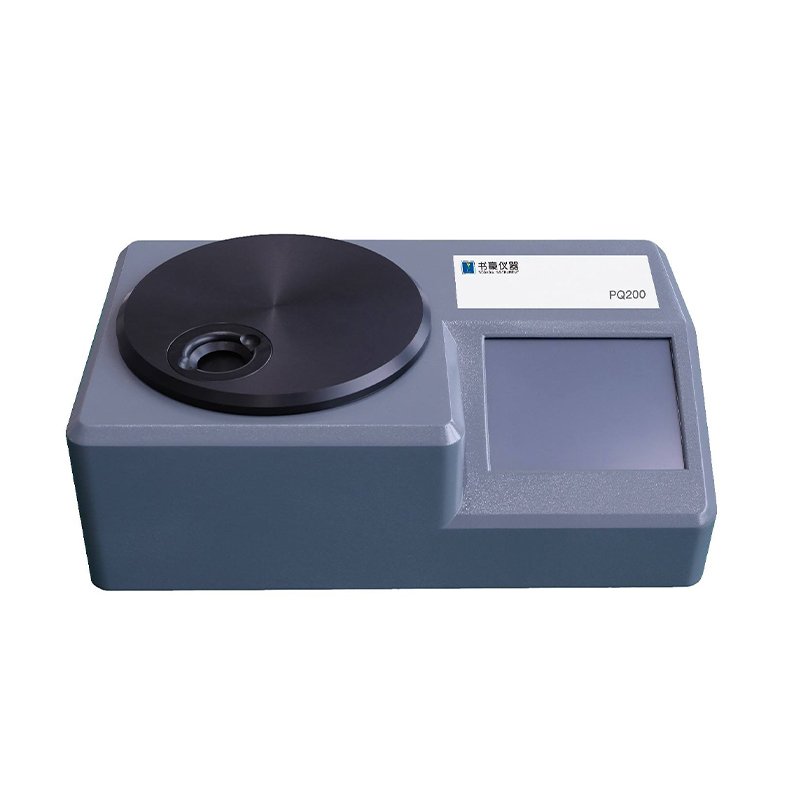 PQ200 Ferrous Debris Monitor
The square shape of the housing makes it easier to keep in place.
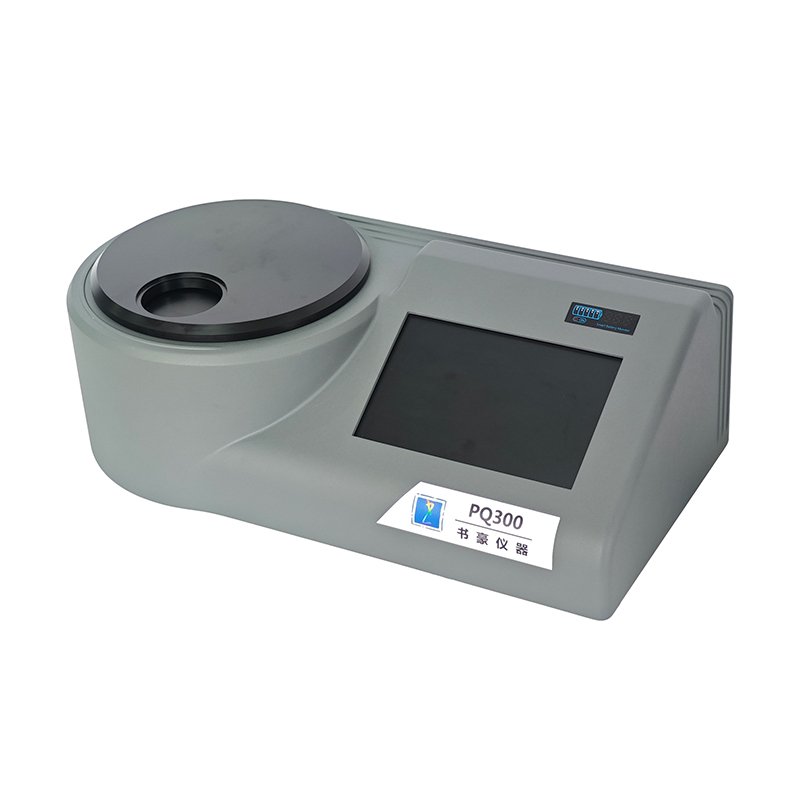 PQ300(B) Ferrous Debris Monitor
Adding a battery to the PQ series so that it can be tested in different places.
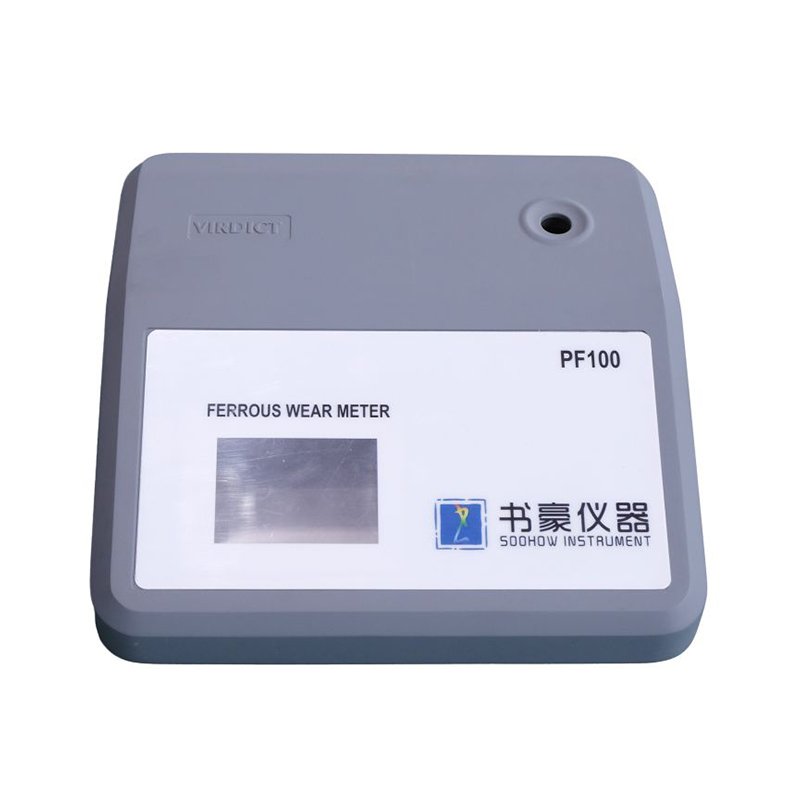 PF100 Ferrous Wear Meter
A simpler tool for figuring out how much ferromagnetic abrasive particles are in a sample
Particle Analyzer Makes Ferrogram Slides for You
The second step in the Soohow particle analyzer process is to get the ferrogram slide ready. Depending on how dirty the oil sample is and what the particle preservation needs are, a suitable ferrogram maker is chosen to make clear and dependable ferrogram slides.
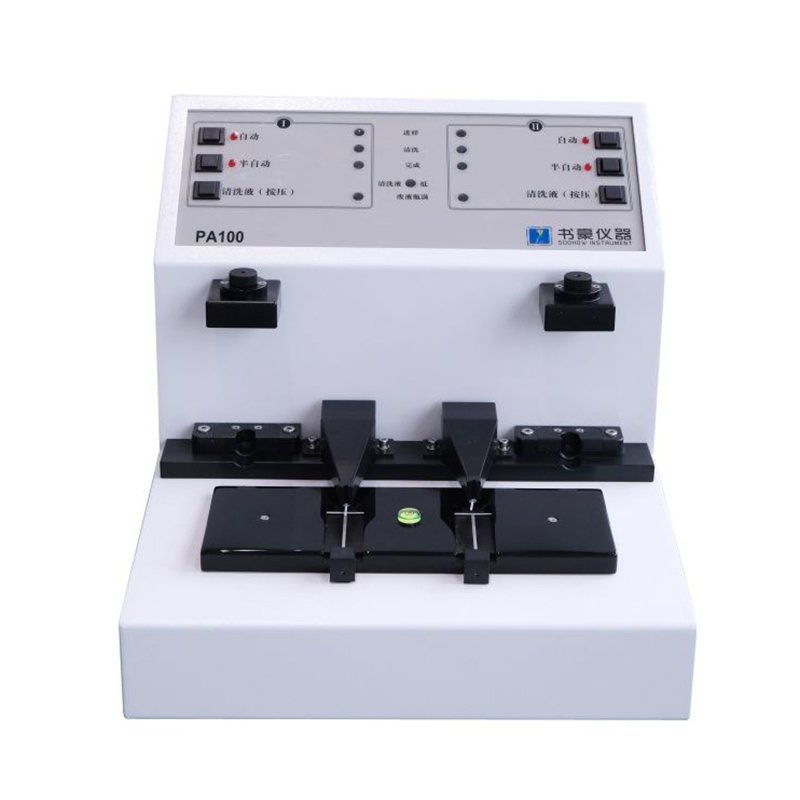 PA100 Ferrogram Maker
Basic dual-channel ferrogram maker that can be fully controlled by buttons.
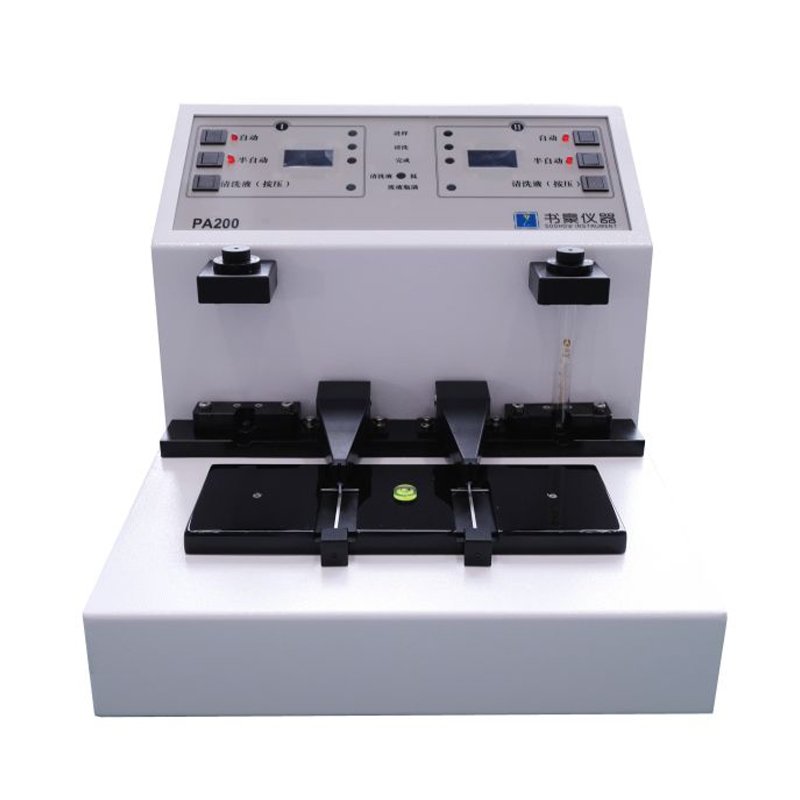 PA200 Ferrogram Maker
A mid-range dual-channel ferrogram maker with two industrial-grade displays.
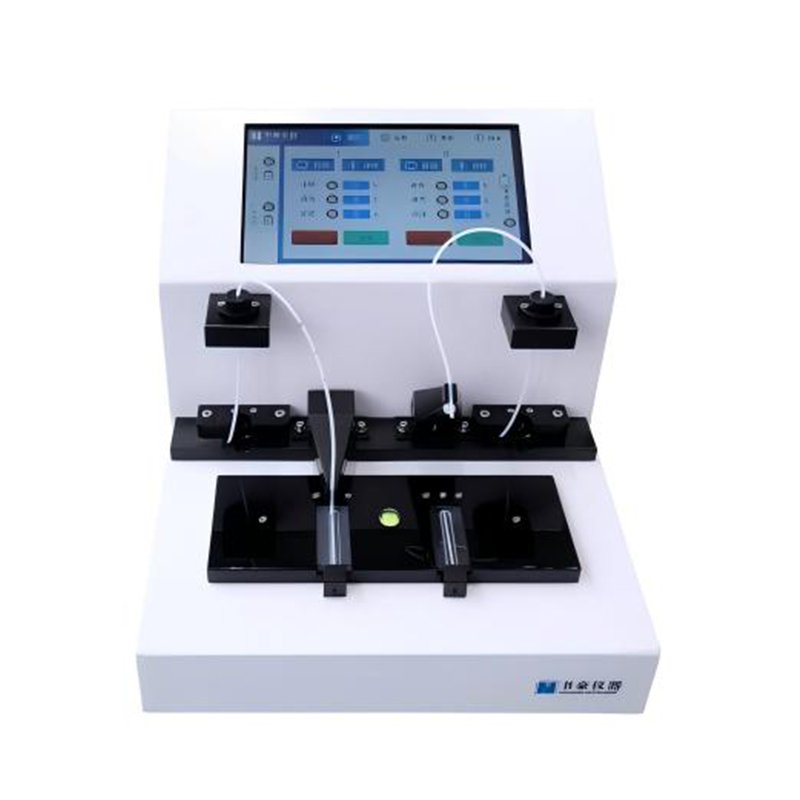 PA300 Ferrogram Maker
High-end dual-channel ferrogram maker Tool with a 10.1-Inch Touchscreen
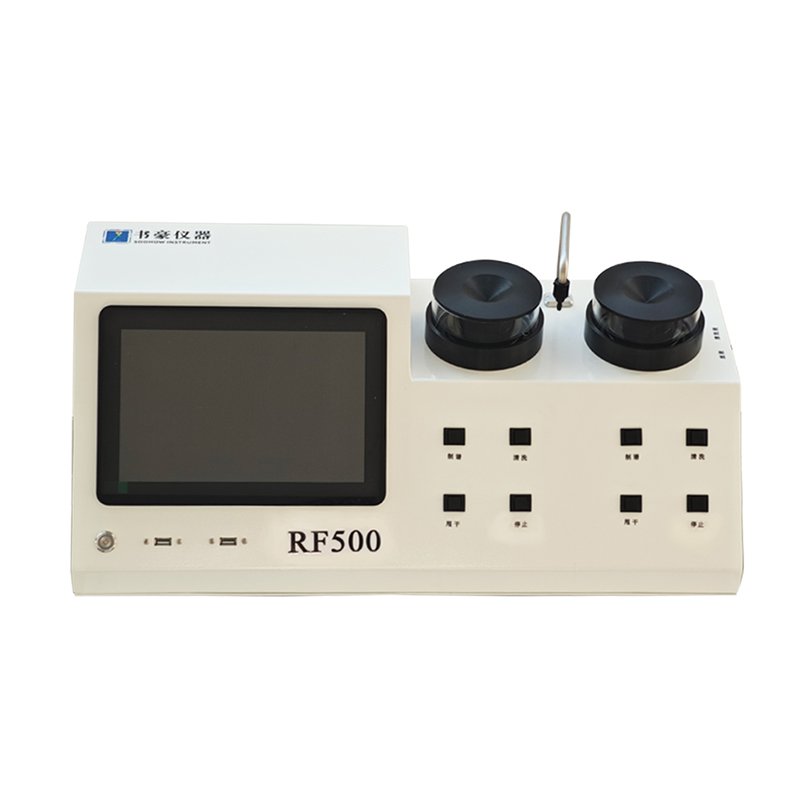 RF500 Rotary Particle Depositor
Adds a spin-drying function that is good for looking at fluids in very dirty places or places with a lot of small particles.
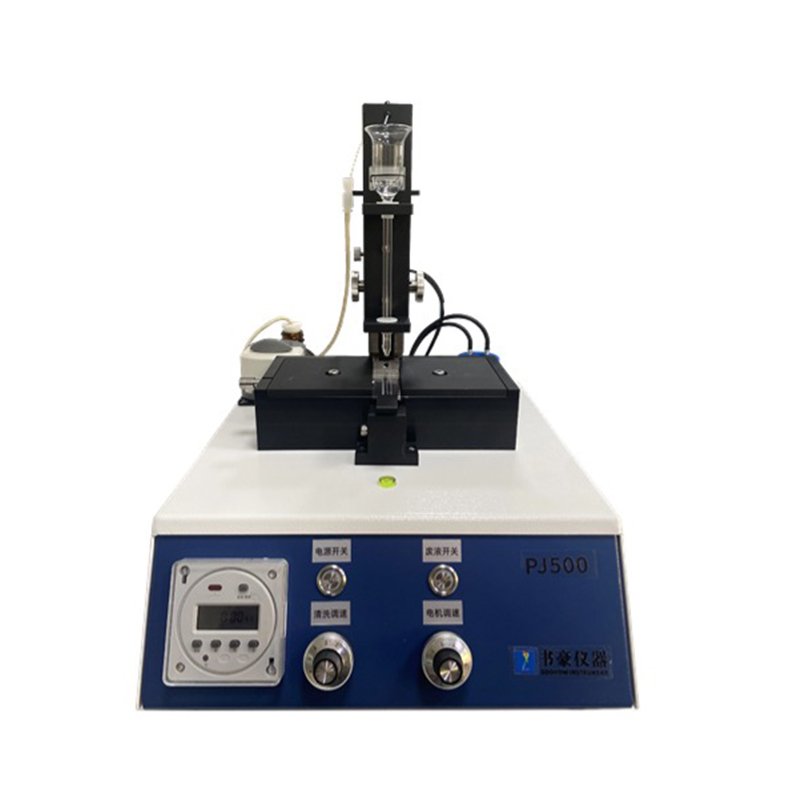 PJ500 Laboratory Ferrography
Outstanding particle protection features that stop external compressive forces from causing abrasion, crushing, and deformation.
Particle Analyzer Analyzes Ferrogram Slides for You
The third step of the Soohow particle analyzer is to look at the ferrogram slide, use a microscope or smart system to look at the shape of the abrasive particles, figure out what kind of wear is happening, and come to a diagnostic conclusion.
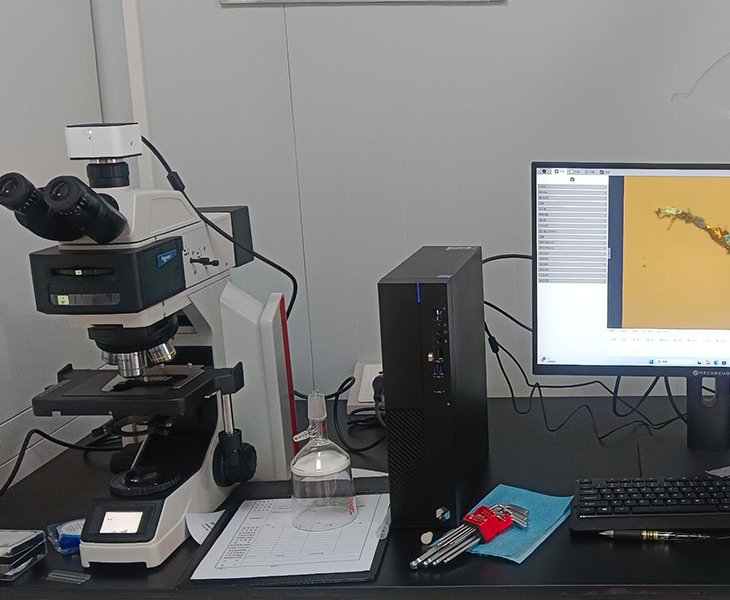
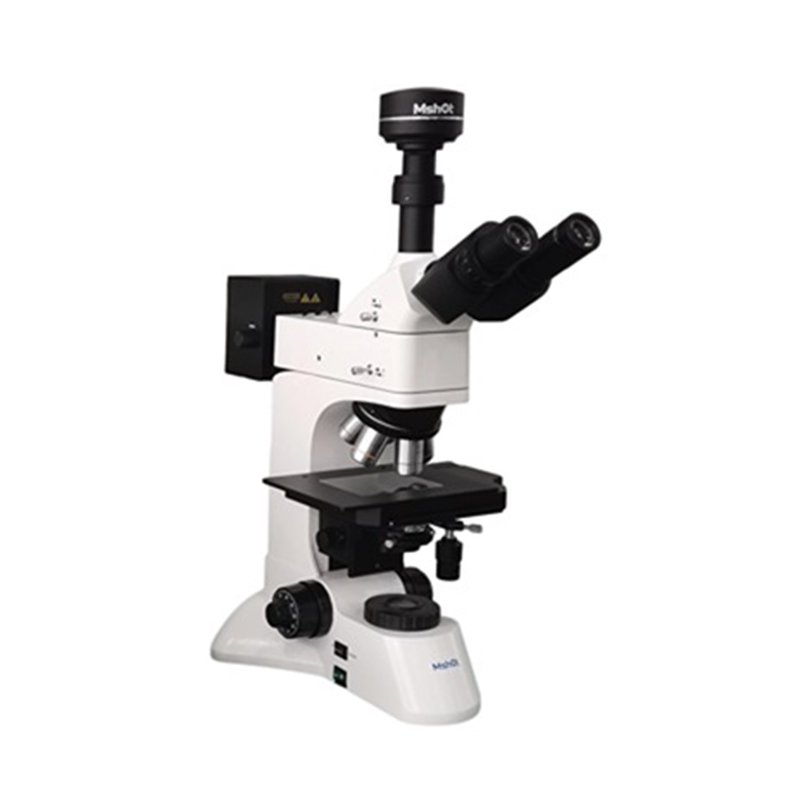 Ferrograph Microscope
It needs to be run by trained professionals and is used to look at the shape of wear particles on ferrogram slides.
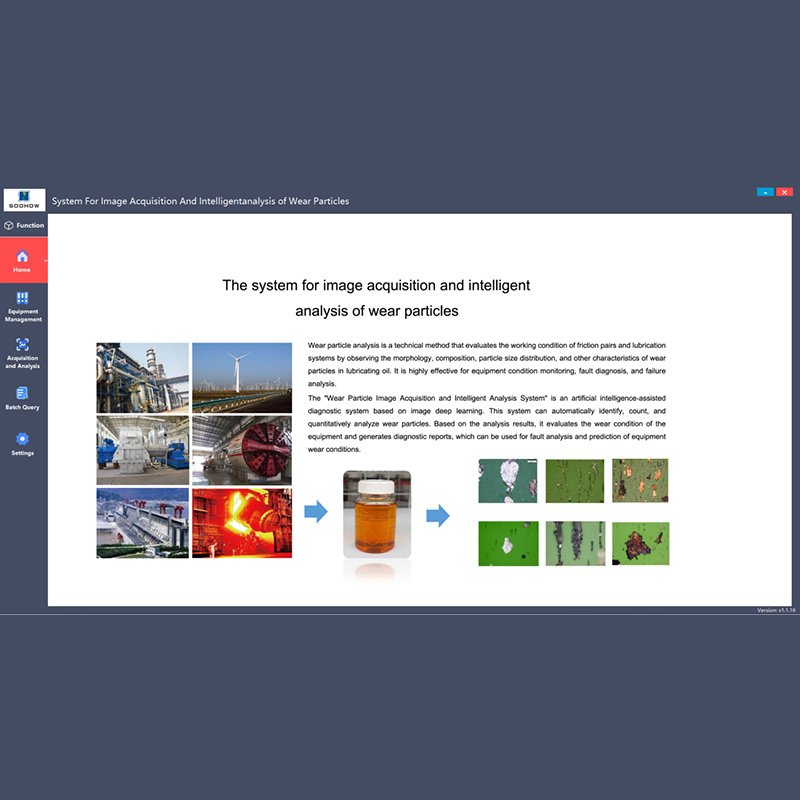 Wear Particle Image Acquisition and Intelligent Analysis System
Able to tell the difference between 12 common types of wear particles, making it a good stand-in for professional analysis systems to some extent.
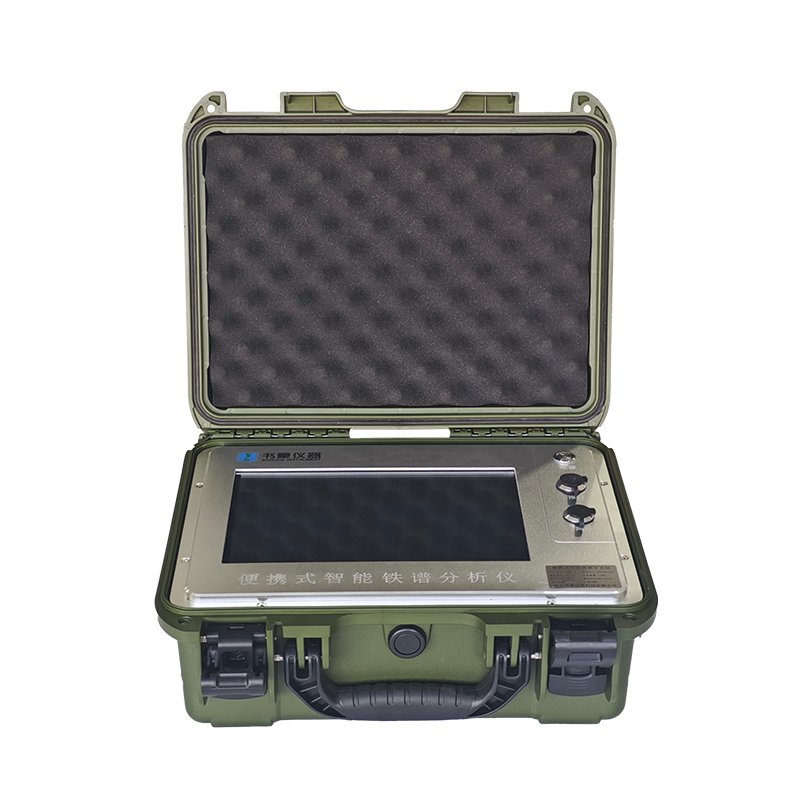 IFP100 Portable Intelligent Ferrograph Analyzer
It mostly gets rid of the need for manual labor because you don’t have to make ferrogram slides, which lets you look at particles in the oil fluid right away.
Particle Analyzers Provide Predictive Maintenance for Your Equipment
The particle analyzer checks the concentration, elemental composition, and shape of wear particles in the fluid on a regular basis. This keeps track of how equipment is wearing down over time. If the data shows anything unusual, the system will let you know to pay attention to the parts that are affected and plan specific inspections or repairs. This data-driven approach is cheaper than regular oil changes or reactive maintenance, and it also effectively stops equipment from going down suddenly.
The particle analyzer helps you extend the life of your equipment and cut down on maintenance costs by changing how you do maintenance from a reactive response to a proactive management.
You can use particle analyzers with online sampling ports or portable samplers to get oil samples for analysis while the equipment is running normally. This means that production schedules won’t be affected because there won’t be any shutdowns or disassembly of parts. On-site operators can finish the sampling process in just a few minutes. The particle analyzer then gives important information, like the concentration of wear particles, the elemental composition, and the levels of contamination. This lets maintenance teams keep an eye on how much wear is happening on internal equipment without stopping production.
It depends on the type of particle analyzer how hard it is to use. It only takes half a day of training to learn how to use particle counters and oil spectrometers. Analytical ferrography usually need some prior experience because they involve preparing slides and looking at them under a microscope. However, when used with intelligent analysis software, the skill level needed to operate them has been greatly lowered. Soohow particle analyzers come with smart software that can automatically find 12 common types of wear particles and make diagnostic suggestions. This means that even people who aren’t very experienced can make accurate conclusions.
The best frequency for inspections depends on how important the equipment is and how it is being used. Monthly checks are recommended for important assets like generator sets, aircraft engines, and wind turbine gearboxes. It is a good idea to check new equipment or machinery more often, such as once every two weeks, if it has just been completely overhauled. You can usually check on general industrial equipment every three months. Particle analyzers keep track of and record data trends. If the data changes a lot, the inspection interval should be shortened to match. Soohow will give you free, personalized advice on how often to inspect your equipment based on the types of equipment you have and how you use it.
Particle analyzers are most often used in wind turbine gearboxes. These gearboxes work in tough conditions and have to deal with loads that change a lot, so gear and bearing wear are common ways for them to fail. Particle analyzers can find early-stage problems, like gear pitting and bearing fatigue, by regularly looking at wear particles in the gearbox lubricant. One wind farm used Soohow particle analyzers to find an unusual spike in iron concentration three weeks before any strange noises could be heard coming from a gearbox. This stopped the power generation losses that would have happened if the farm had to shut down for a long time. Soohow provides specialized inspection and data analysis services just for the wind power industry.
The installation and commissioning of a particle analyzer from a distance usually take 1 to 2 hours. Soohow technical engineers help users through the whole process over video calls. This includes unpacking and checking the inventory, putting together the instruments, connecting the tubing, installing the software, and setting up the basic parameters. Users don’t have to wait for an engineer to come to their location; they can start using the instrument the same day. It takes a little longer to install bigger or more complicated equipment, like analytical ferrography , but it can still be done in half a day. Soohow has installation videos and operation manuals in both Chinese and English that users can look at whenever they want. After the installation is done, engineers check the instrument’s performance from a distance to make sure it meets factory standards.