
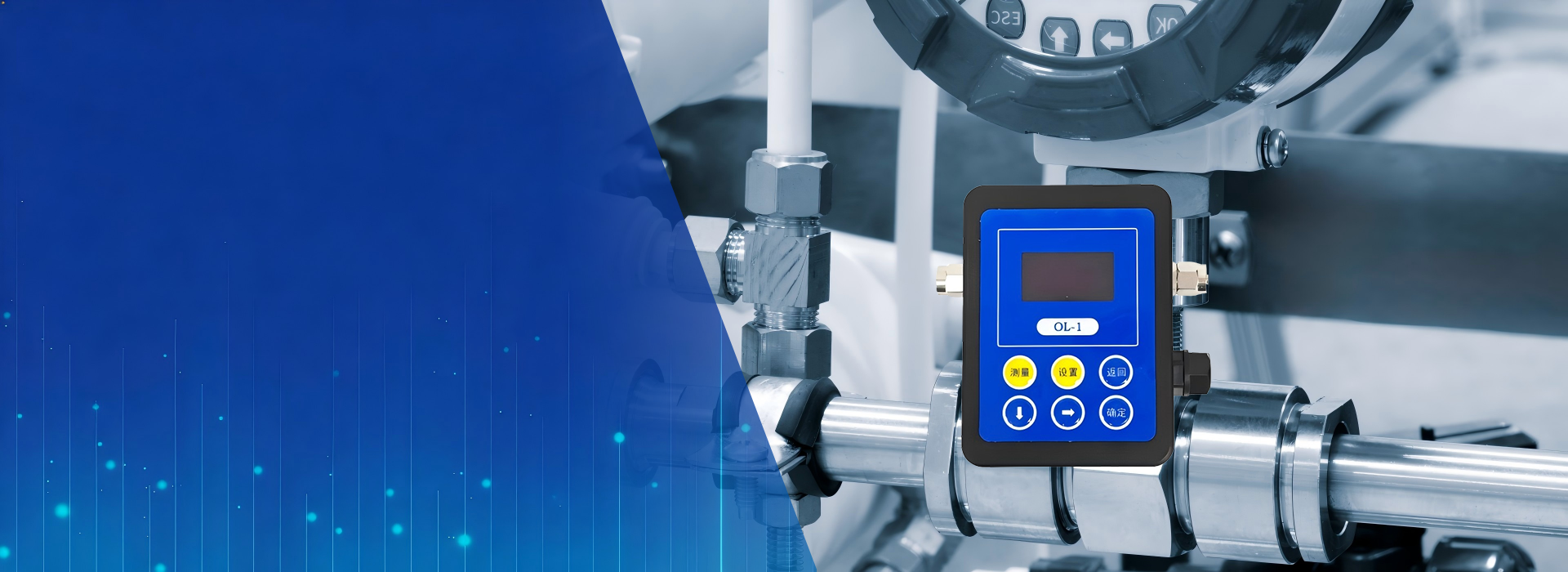
Your Leading Particle Counter Sensor Manufacturer in China
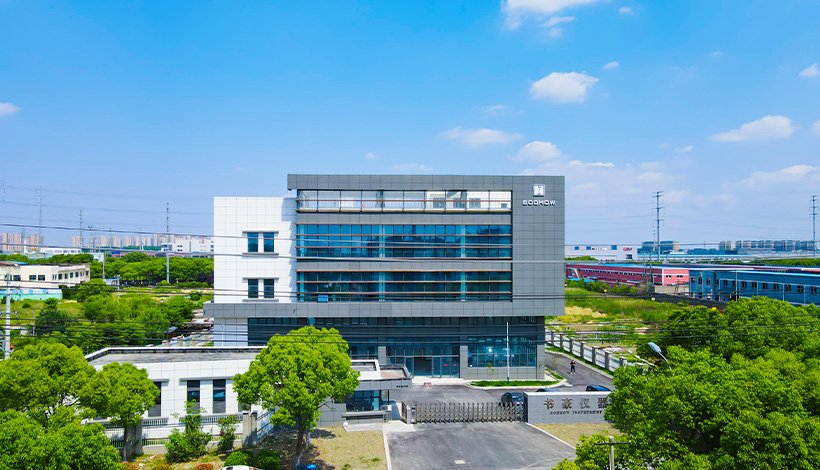
Soohow Instrument is one of the few manufacturers in China that has mastered the core technology of miniaturized particle counter sensors.
Soohow’s particle counter sensor product line covers embedded online particle counter sensors, stand-alone online counter sensors, and dedicated particle counter sensor modules, which can meet diverse needs from equipment integration to system transformation. All particle counter sensors utilize semiconductor laser light sources and high-sensitivity photo detectors, with detection accuracy conforming to international and domestic standards such as ISO 4402, GB/T 18854, and ISO 11171.
Soohow particle counter sensors provide you with a long-term, stable, and reliable online cleanliness monitoring method. You are welcome to contact Soohow Instrument to obtain detailed specifications of the particle counter sensor or inquire about integration solutions.
Offer a Variety of Particle Counter Sensors for You
The particle counter sensor uses the principle of light obscuration. When oil flows continuously through the sensor’s detection cell, particles generate light-blocking pulses when they pass through the laser beam. The photo detector converts the pulses into electrical signals, and the microprocessor counts the number of particles of different sizes in real time and automatically calculates the pollution level.
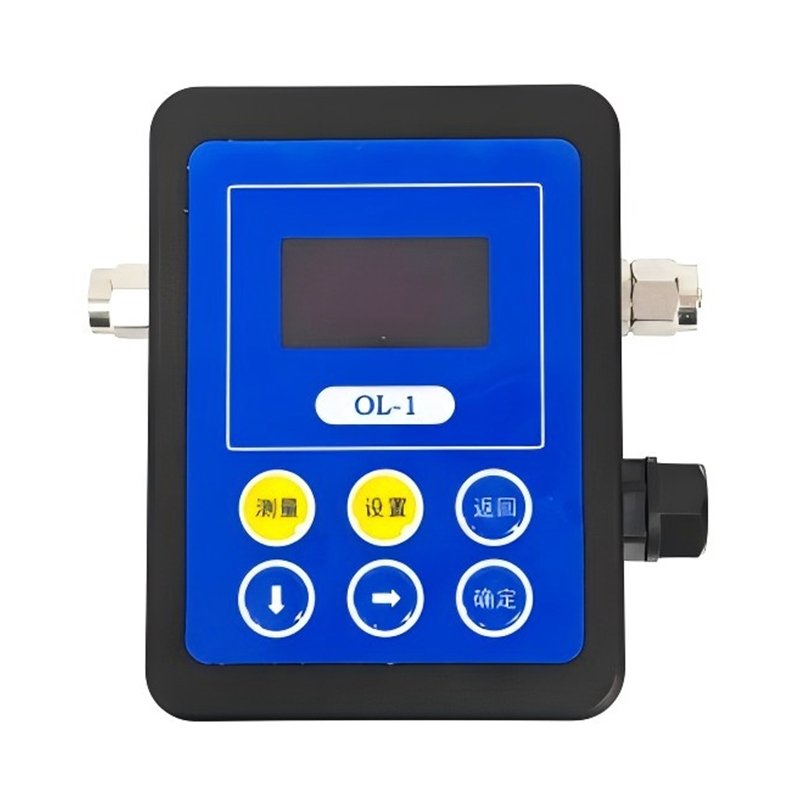 OL-1 Online Particle Counter Sensor
Miniature online particle counter sensor, suitable for space-constrained field installation.
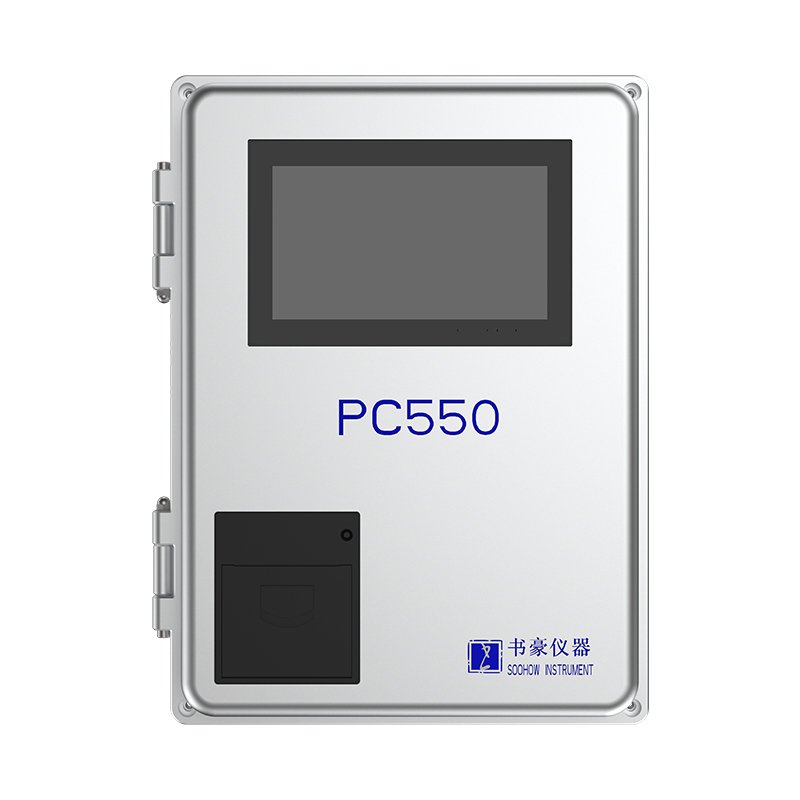 PC550 Online Particle Counter Sensor
Supports continuous automatic online detection, with the detection interval set arbitrarily (from 1 second to 24 hours).
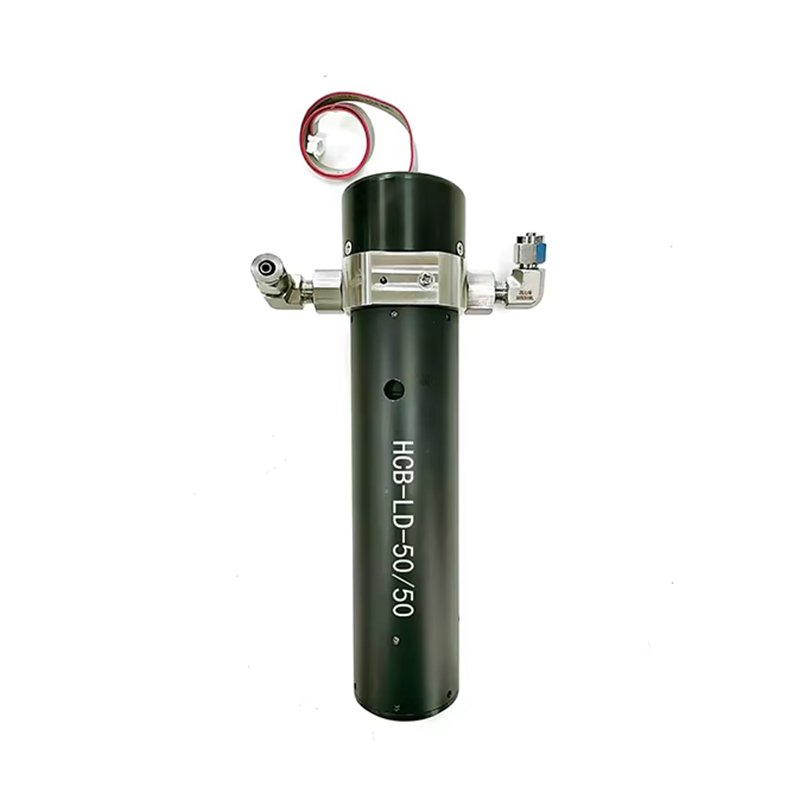 HCB-LD-50/50 Particle Counter Sensor
Compact particle counter sensor designed for system integration.
Soohow's Particle Counter Sensors Maintain Your Equipment
Hydraulic and lubrication systems are highly sensitive to the cleanliness of the oil; sudden contamination can quickly lead to valve core jamming and pump wear. Online particle counter sensors can continuously monitor changes in oil contamination during system operation. When a filter is penetrated, a seal fails, or external contaminants intrude, the sensor can detect an abnormal increase in particle concentration within seconds and issue an alarm signal in a timely manner. Maintenance personnel can respond immediately to prevent system failure or equipment damage.
Continuous monitoring data can also be used to optimize filter replacement cycles—by tracking the contamination change curve over a long period, the inflection point of the filter element pressure differential increase can be found, enabling replacement on demand rather than on a fixed schedule, which ensures system cleanliness and reduces maintenance costs. Correlation analysis of online monitoring data with equipment operating conditions (load, temperature, pressure) can provide richer decision-making basis for predictive maintenance.
Particle counter sensors are designed for online continuous monitoring. They are small in size, can be embedded, and their output signals can be connected to control systems. Offline particle counters are used for sampling and detection, but they are larger in size and require manual operation. Particle counter sensors are suitable for long-term unattended monitoring, while offline particle counters are suitable for periodic sampling and laboratory analysis.
Contamination of the optical window can lead to a decrease in light intensity, and small particles may be missed, resulting in a low count. The particle counter sensor has a built-in light intensity monitoring function, which will output an alarm signal when the light intensity is lower than the threshold. Cleaning method: Soak the flow channel with petroleum ether or a special cleaning agent, or after disassembly, gently wipe the surface of the optical window with a lint-free cloth dampened with alcohol.
Cold oil has high viscosity, uneven particle distribution, and may contain air bubbles. After the system has been running for a period of time, the oil temperature rises, the viscosity decreases, and the bubbles are expelled, and the test results tend to stabilize. It is recommended that the particle counter sensor be activated for alarm control 15-30 minutes after the system has been running, or that a detection delay be set.
Possible causes: poor contact or breakage of the communication cable; power failure of the particle counter sensor; mismatch of communication parameters (baud rate, data bits, parity bits); particle counter sensor malfunction. Recovery steps: Check the power indicator light to confirm normal power supply; check the communication cable connection; restart the particle counter sensor; verify that the communication parameters are consistent with the host computer; check if the communication port is occupied by other programs.
Soohow provides full-cycle service guarantees for particle counter sensors: complete machine warranty, lifetime maintenance; remote installation and commissioning guidance; operation training video tutorials; communication protocol integration support; standard oil sample supply; regular calibration reminders; and remote fault diagnosis. For core users, Soohow can provide backup particle counter sensor services. Once the fault is confirmed, the backup device will be dispatched quickly to ensure that the your testing work is not interrupted. All services can be accessed via email or instant messaging tools, with prompt responses.