
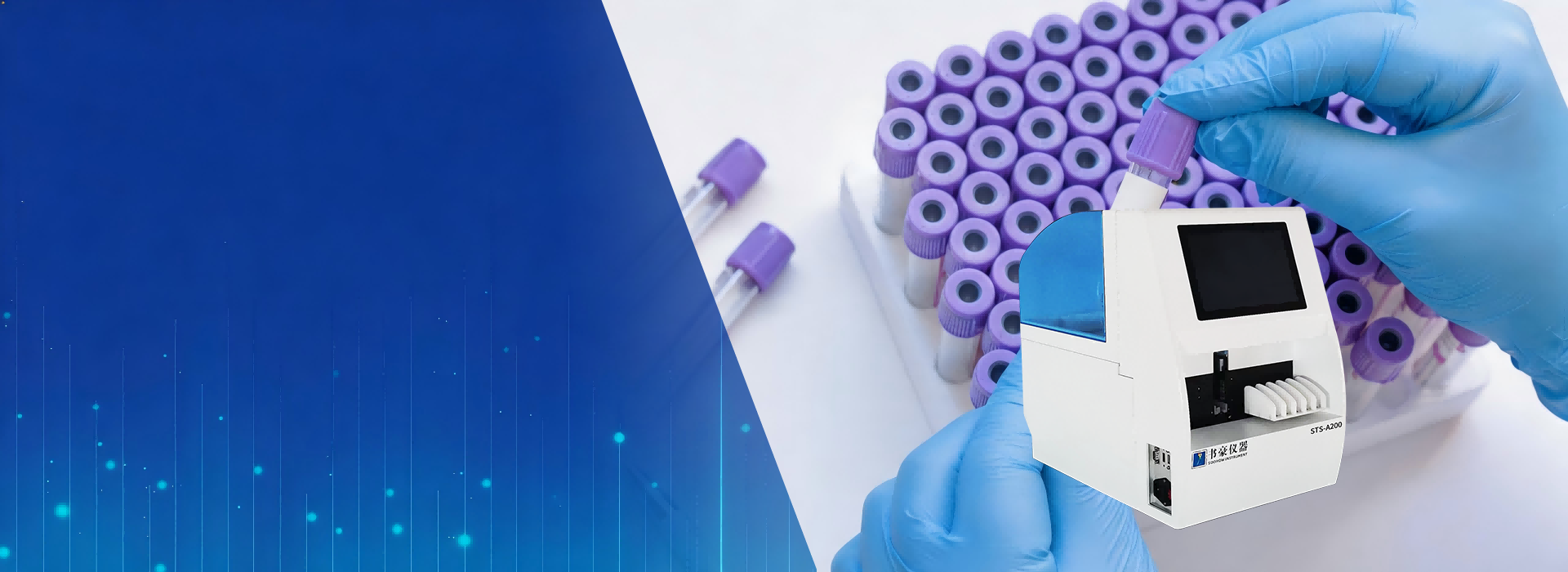
Your Leading Specific Protein Analyzer Manufacturer in China
The Specific Protein Analyzer employs the rate nephelometry method to measure the dynamic reaction rates between antigens and antibodies; it is characterized by high sensitivity, rapid detection speeds, and immunity to interference from background scattering signals.
Soohow Instrument has dedicated over a decade to deep specialization within the field of analytical instrumentation. Our product line encompasses fully automated high-throughput analyzers, semi-automated multi-channel analyzers, and semi-automated single-channel portable analyzers, thereby meeting the diverse testing requirements of institutions ranging from large hospital laboratories to primary healthcare centers and veterinary clinics. All our Protein Analyzers incorporate advanced photoelectric detection technologies and intelligent algorithms, ensuring that detection results are traceable to the international reference material, CRM470.
Soohow Protein Analyzers have been widely adopted across various sectors—including hospitals, healthcare centers, laboratories, and veterinary clinics—providing precise and reliable detection data for both clinical diagnosis and scientific research.
Offer a Variety of Protein Analyzers for You
When antigens in the sample bind with antibodies in the reagent to form immune complexes, the complex particles scatter incident light; the intensity of this scattered light is directly proportional to the antigen concentration. The Soohow Protein Analyzer measures the scattered light signal in real time and automatically calculates the protein concentration through a multi-point calibration curve, resulting in accurate and reproducible test results.
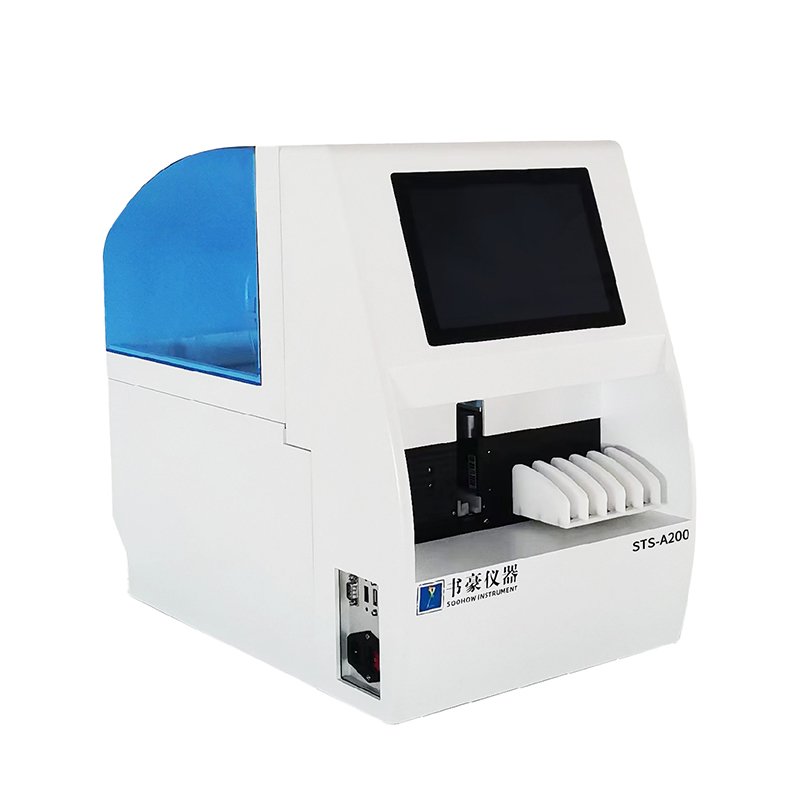 STS-A200 Specific Protein Analyzer
Fully automatic, high-throughput model with a testing speed of 180 units per hour.
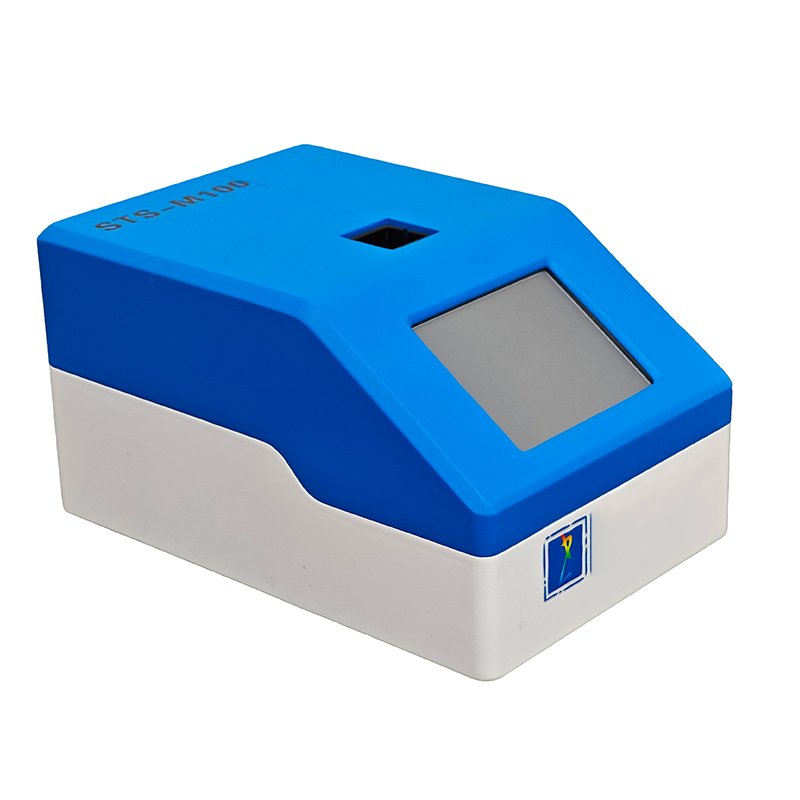 STS-M100 Semi Automatic Specific Protein Analyzer
Semi-automatic four-channel model, each channel can work independently and simultaneously test multiple items.
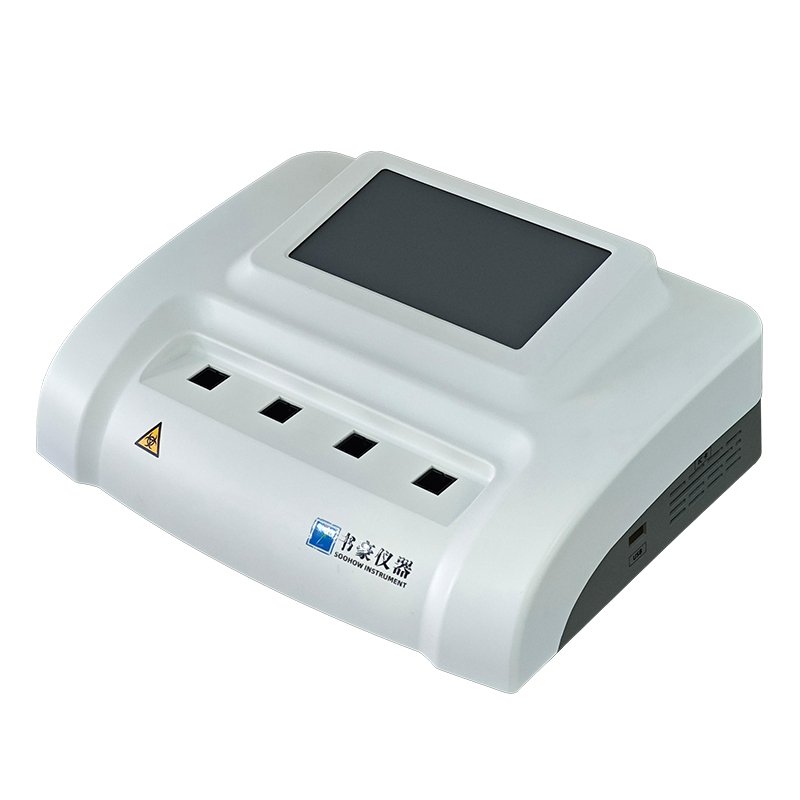 STS-M400 Semi Automatic Specific Protein Analyzer
Semi-automatic single-channel portable model, compact in size and easy to operate.
Rate scattering turbidimetry is used to determine the maximum reaction rate of antigen-antibody binding, and protein concentration is calculated by continuously monitoring the rate of change in scattered light intensity. Compared to endpoint turbidimetry (which measures turbidity at the end of the reaction), rate methods are more sensitive and have a wider detection range. They can effectively avoid interference from nonspecific agglutination and sample background, and are especially suitable for the detection of low-concentration proteins.
Specific protein analyzer can detect a variety of specific protein items, including: C-reactive protein (CRP), rheumatoid factor (RF), anti-streptolysin O (ASO), immunoglobulins (IgG, IgA, IgM), complement (C3, C4), transferrin (TRF), prealbumin (PA), microalbumin (mALB), etc. The specific tests required depend on the accompanying reagent kit.
The protein analyzer supports seamless integration with a hospital’s Laboratory Information System (LIS). Soohow provides standard communication protocols and interface documentation. Users only need to provide the interface parameters of the LIS system, and Soohow engineers can remotely assist in completing the data docking configuration to achieve automatic reading of sample information, automatic uploading of test results, and automatic printing of reports. After the connection is completed, data verification is performed to ensure accurate transmission.
Turbidimetric scattering is tolerable to interference from hemolysis, lipemia, jaundice, etc. However, severe hemolysis may release hemoglobin that interferes with the assay, while severe lipemia may generate background scattered light. It is recommended to centrifuge or recollect samples when their condition appears abnormal; if necessary, the transmission turbidimetry mode (supported by the STS-A200 Specific Protein Analyzer) may be utilized to minimize interference.
The STS-A200 uses an automatic needle cleaning system that performs high-pressure rinsing of the inner and outer walls after each sample application. It also features needle blockage alarm, automatic liquid level detection, anti-collision, and volume tracking functions. The reaction vessel is automatically cleaned with warm water, and the cleaning level is automatically detected and fed back, effectively avoiding cross-contamination. The STS-M400 and STS-M100 use disposable colorimetric cups, eliminating the risk of cross-contamination.