
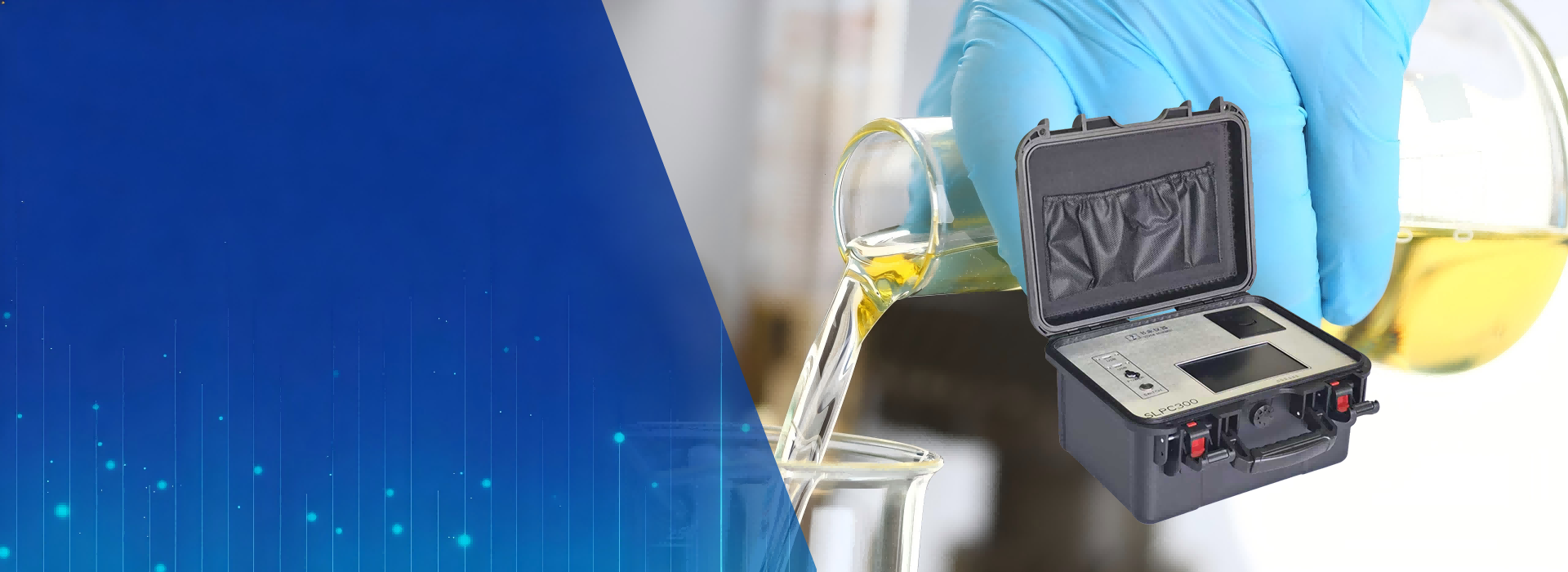
Your Leading Particle Counter Manufacturer in China
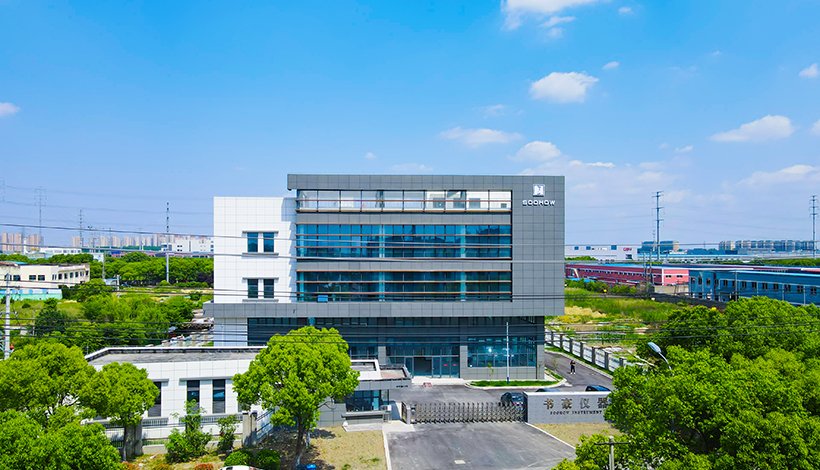
Soohow Instrument is one of the few companies in China that makes multiple types of particle counters at the same time, such as benchtop laboratory, portable field, and simultaneous moisture detection technologies. Soohow particle counters have made a full range of products that can be used in many situations, from hydraulic oil and lubricating oil to gear oil and aviation kerosene. They can also be used for precise laboratory analysis or quick on-site screening in wind power, mining, and shipbuilding.
All particle counters meet both international and domestic standards, including ISO 4402, GB/T 18854, and ISO 11171. They have more than ten pollution level standards that are used often, like NAS1638, ISO4406, and GJB420B.
You can get product information or set up a technical exchange with Soohow Instrument to help you choose the best monitoring tools for your hydraulic and lubrication systems.
Offer a Variety of Particle Counters for You
When particles pass through a laser beam, they are instantly captured, counted, and classified by particle counters. This turns the cleanliness of the oil into an easy-to-understand level of contamination. A particle counter can easily tell if the cleanliness of a hydraulic system or a lubrication system meets the standards.
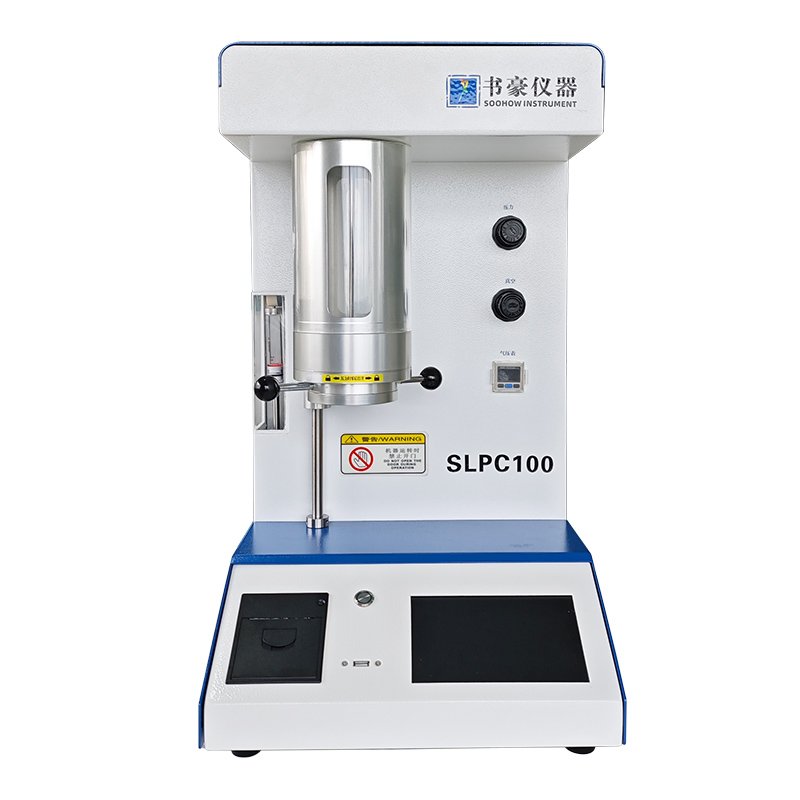 SLPC100 Desktop Particle Counter
A benchtop laboratory particle counter that uses light obscuration and can measure particles from 0.8 to 600 microns in size.
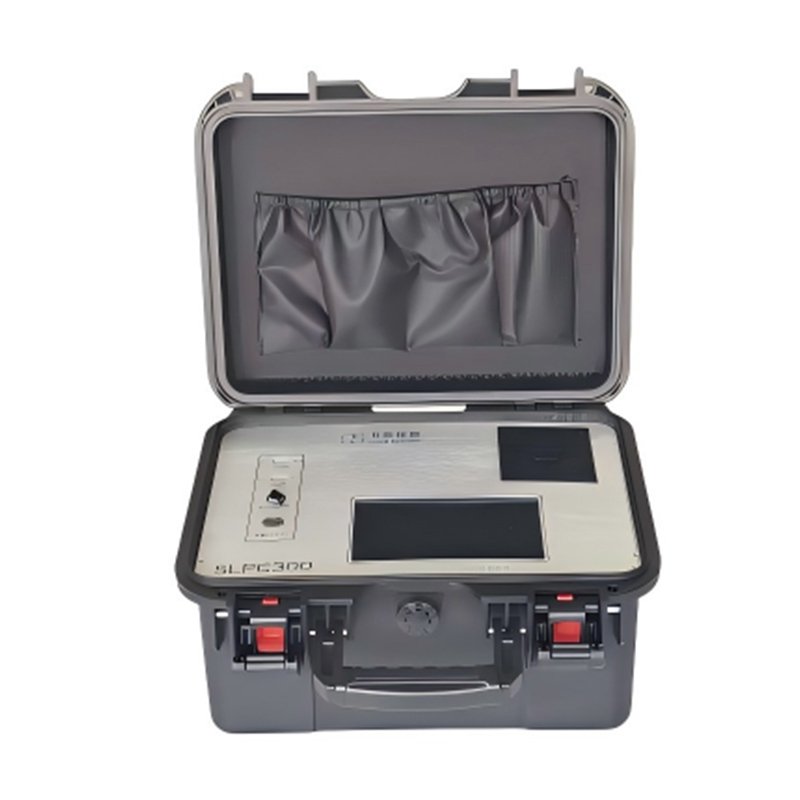 SLPC300 Portable Particle Counter
Portable oil particle counter with both online and offline detection modes. It can measure particles from 1 to 500 μm in size.
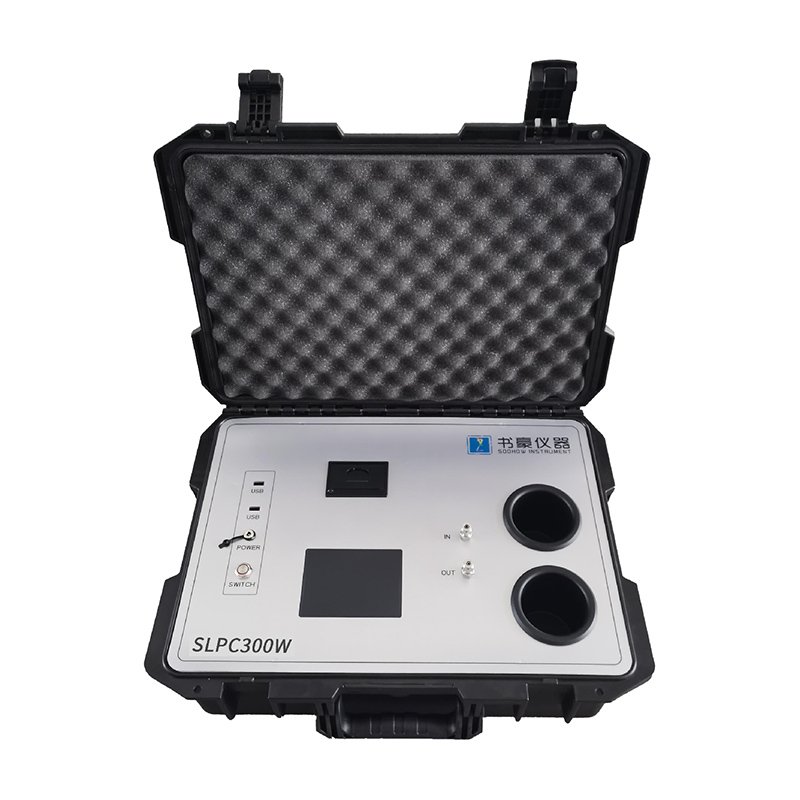 SLPC300W Portable Particle Counter
Portable particle counter with an SLPC300-based module for detecting moisture.
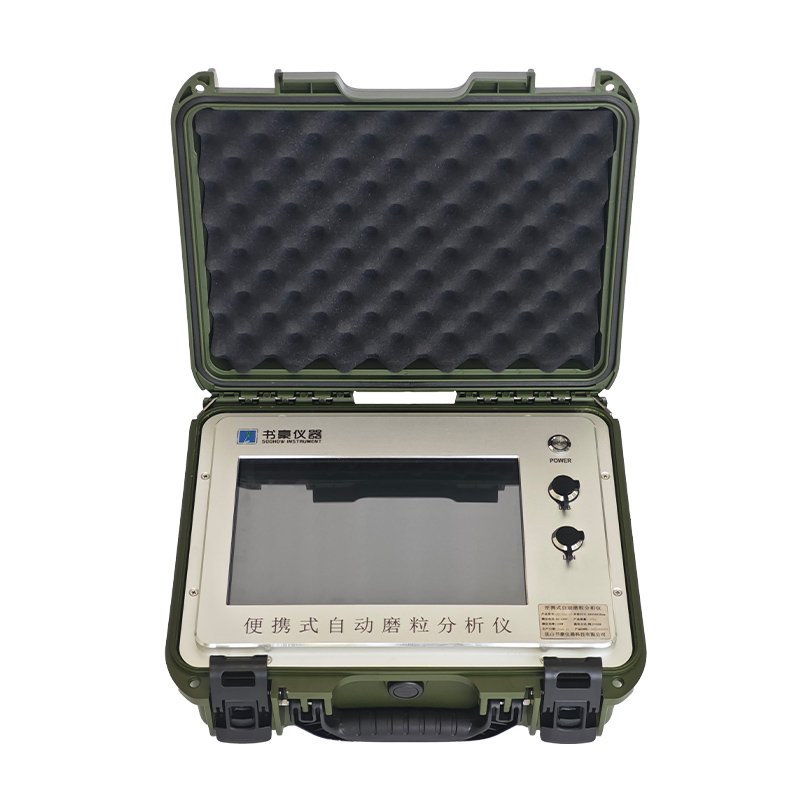 PDA100 Portable Automatic Wear Particle Analyzer
A portable automated abrasive analyzer can find ferromagnetic wear particles in oil on-site without having to prepare the spectrum first.
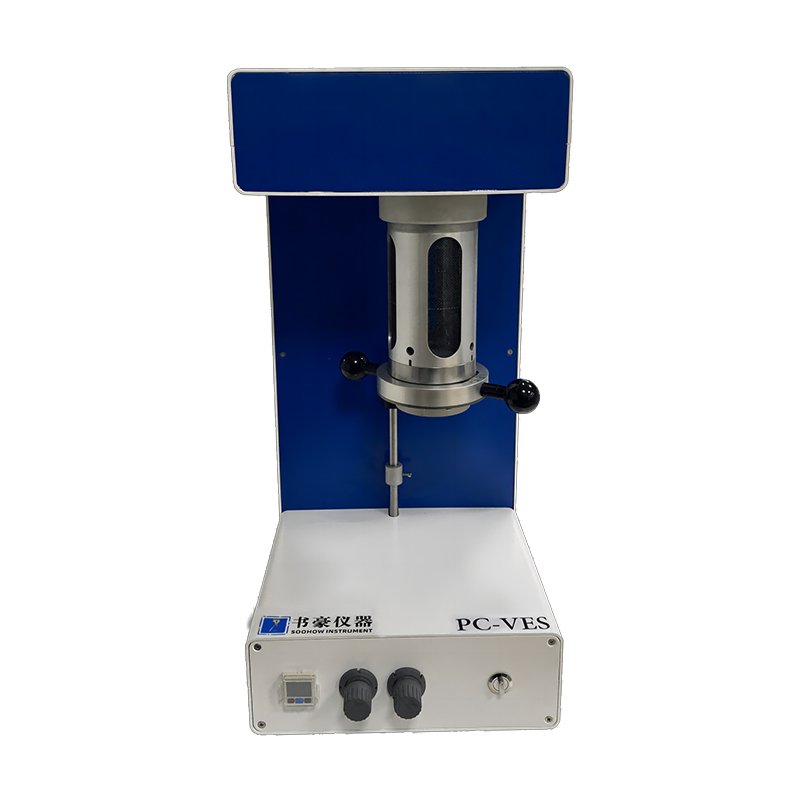 PC-VES Positive and Negative Pressure Sampler
Positive and negative pressure samplers are made to count the number of particles in high-viscosity oil samples, like grease and gear oil.
Soohow Provides You with Installation and Training Services
When you get the particle counter, the Soohow technical team will help you set it up, unpack it, connect the pipes, and set the parameters through a video call. This will make sure that the instrument works properly in your field conditions.
After installation and commissioning, we will give you and your team online training on how to use the instruments, how to test samples, how to understand contamination standards, how to do daily maintenance, and how to fix common problems. The training includes both hands-on demonstrations and interactive Q&A sessions to make sure your operators can do the tests on their own. Soohow also offers easy-to-use operation manuals in both Chinese and English, as well as video tutorials that you can watch at any time.
Please get in touch with Soohow Instrument to set up installation help or online training so that you can start using your particle counter right away.
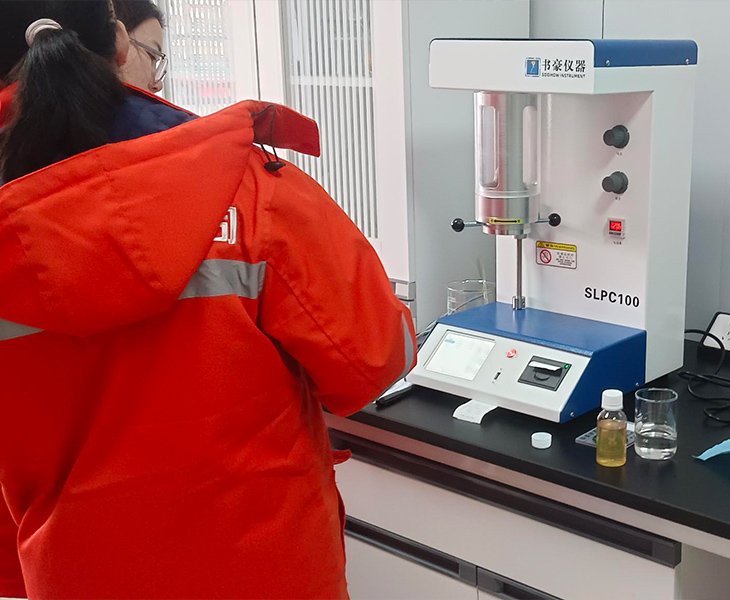
Soohow's Particle Counters Maintain Your Equipment
Hydraulic and lubrication systems are very sensitive to how clean the fluid is. Particles that get into the hydraulic valve cores can cause jamming, particles that get into the bearings and gears can cause abrasive wear, and particles that get into the pump body can cause scratches and lower efficiency. If you regularly check the oil contamination level, you can find problems like filter failure, seal damage, and the entry of outside contaminants before they do any damage to the system.
Rapid on-site testing of oil cleanliness means that maintenance workers can get contamination data right away at the equipment site, instead of having to send samples back to the lab and wait for results. This speeds up the decision-making process by a lot. By quickly learning about the changing levels of oil contamination, you can accurately plan when to replace filters and clean systems. This will keep the equipment running longer and avoid unplanned downtime.
The particle counter uses the light obscuration method, which is the most common way to count particles set by the International Hydraulic Standards Committee. As the particles in the oil move through the narrow detection zone, they block the beam of the semiconductor laser. This lowers the light intensity that the photodetector receives and creates an electrical pulse signal. The size of the particles is directly related to the strength of the pulse signal, and the number of pulses is directly related to the number of particles. Using high-speed signal processing and smart algorithms, particle counters can get the quantity distribution data of particles of different sizes in oil very accurately.
The particle counter has a sample introduction system that uses both positive and negative pressure. This system can effectively solve the problem of detecting high-viscosity oil samples. There is a positive and negative pressure sample introduction system in the Soohow SLPC100 particle counter. The pressure chamber can reach a maximum positive pressure of 0.8 MPa and a maximum vacuum of -0.08 MPa. This can help degas samples and get rid of air bubbles in oil samples. It can also find oils with different viscosities and can measure samples with a viscosity of up to 650 cSt. Users can choose the right flow rate based on the sample viscosity, and the detection speed can be changed from 5 to 60 mL/min.
Yes, it is needed. After a long time of use, sludge and carbon deposits may stick to the particle counter’s optical window, making it less accurate. How to clean: Close the system oil circuit and connect the special cleaning agent (like petroleum ether) to the sensor inlet. Then, either start the cleaning program (the cleaning agent is pumped inside the sensor to flush the flow channel) or use a syringe to inject the cleaning agent over and over again to rinse. You should clean it every three to six months, depending on how dirty the oil is.
Yes, it does. If the injection rate is too fast, the particle counter might not have enough time to find the particles properly, which would lead to a low count. If the injection rate is too slow, the time it takes to find the particles will be longer. The SLPC series lets you change the injection rate from 5 to 60 mL/min. For routine oil samples, a standard injection rate of 25 mL/min is best. The speed should be lower for oil samples with a lot of viscosity, and it may be higher for samples with less viscosity. The instrument has a speed sensor built in that automatically makes up for the effect that changes in speed have on counting.
Particle counters can’t tell the difference between bubbles and solid particles. This means that bubbles might be counted as particles, which would make contamination levels seem higher than they really are. To avoid the effects of air bubbles, you can let the sample sit for 5 to 10 minutes after taking it to let the bubbles go away on their own, use a positive and negative pressure sampler to degass, or install the sensor in the low-pressure area of the return oil line during online installation. The Soohow particle counter’s sample introduction system has a degassing feature that can help reduce bubble interference. If air bubbles have gotten into the samples, it is best to resample and test them again.