
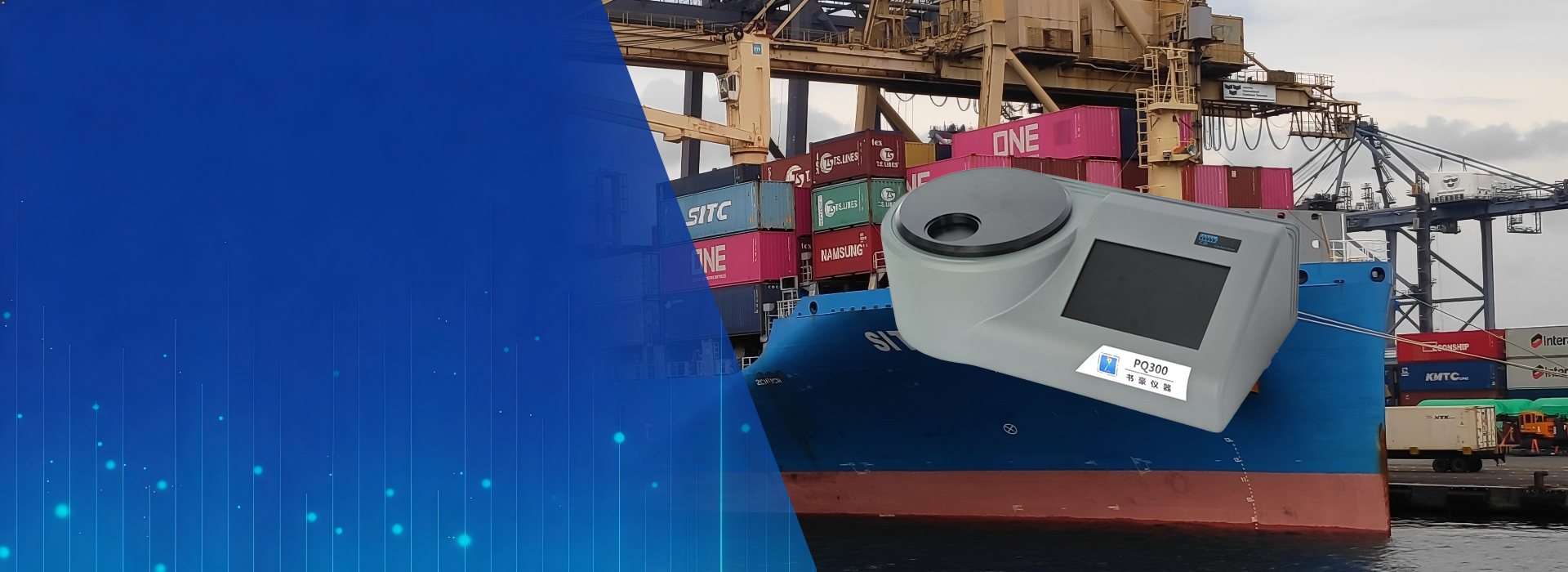
Your Leading Ferrous Wear Meter Manufacturer in China
When gear surfaces show signs of fatigue spalling or bearing cages breaking, the metal particles that come off are much bigger than those that come off during normal wear. Traditional spectroscopic analysis is not very good at detecting large particles, which means it could miss important fault signals. The ferrous wear meter was made just to pick up on these “danger signals.” It doesn’t care about the specific part that the particles came from; it only wants to know how many large ferromagnetic particles are in the fluid. This answer will tell you right away if the equipment is currently wearing out unusually.
Soohow Instrument is an expert in technology for detecting electromagnetic induction. Our products help important machines like wind turbine gearboxes, mining equipment, and marine main engines, giving users the ability to act before a failure happens. Please get in touch with Soohow Instrument to add a “large particle detector” to your machinery wear monitoring system.
Offer a Variety of Ferrous Wear Meters for You
There is a built-in, high-sensitivity electromagnetic coil in the ferrous wear meter. Ferromagnetic wear particles in the sample change the strength of the magnetic field. The strength of the coil’s electromagnetic induction is directly related to the amount of these wear particles, which gives a direct indication of how much the equipment has worn down.
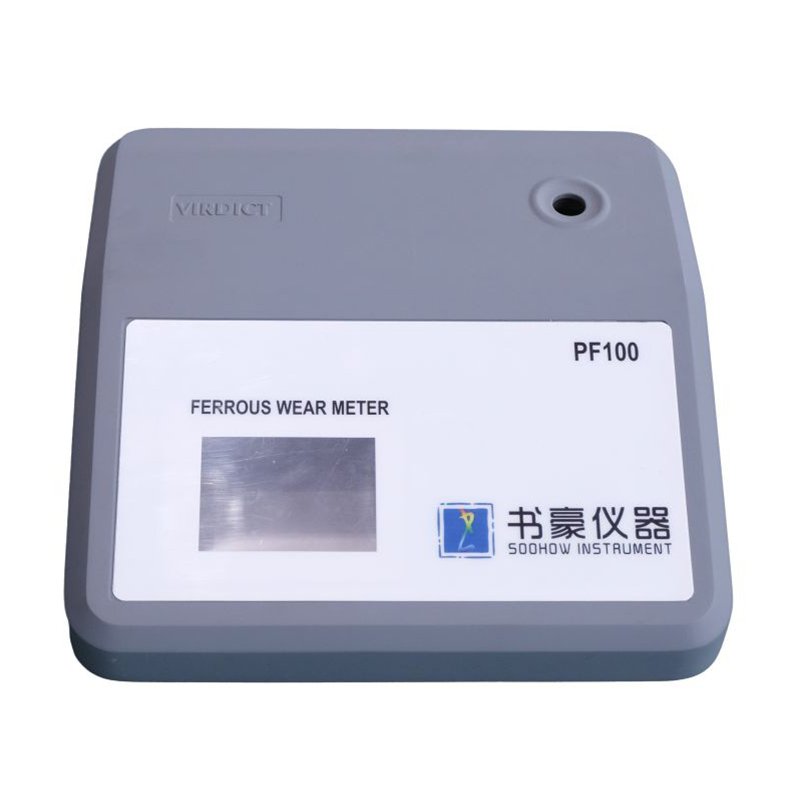 PF100 Ferrous Wear Meter
It uses the principle of electromagnetic induction to find the total mass concentration of ferromagnetic wear particles in the oil fluid.
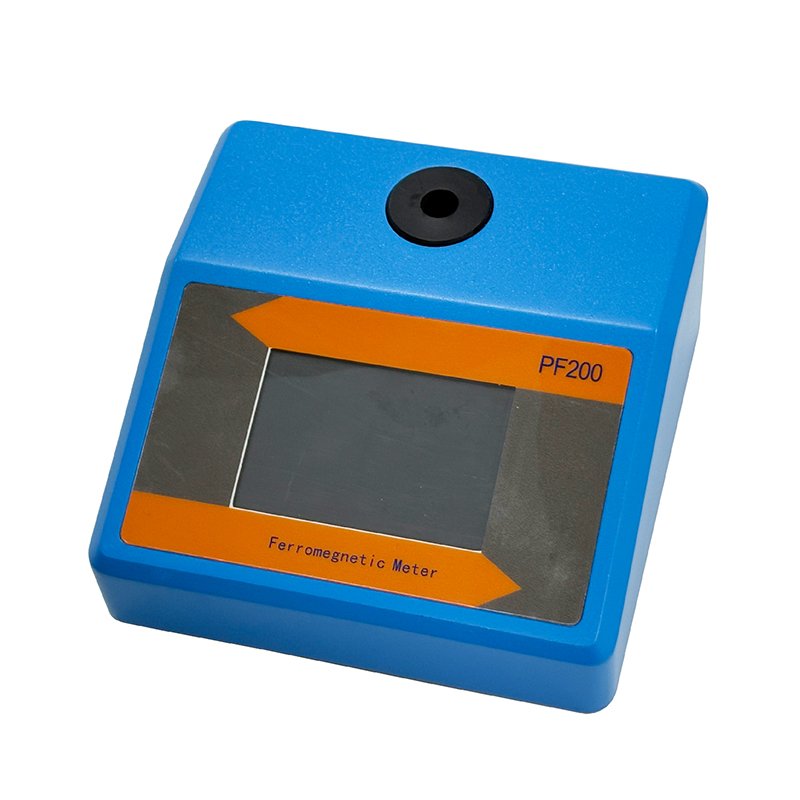 PF200 Ferrous Wear Meter
The sensor and signal processing circuitry have been improved based on the PF100, which has increased detection accuracy to ±3%.
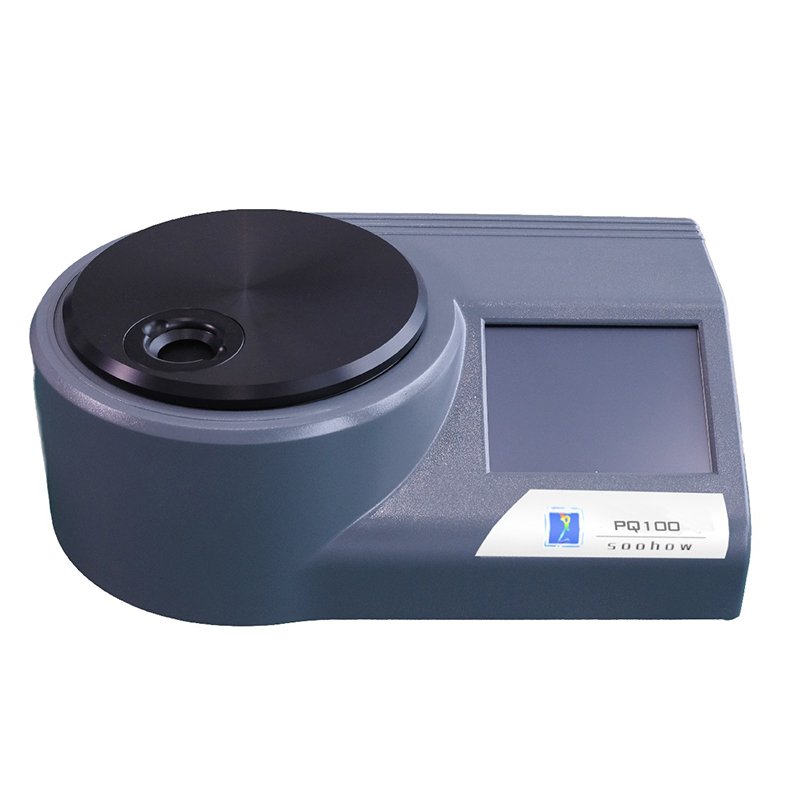 PQ100 Ferrous Debris Monitor
Basic ferrous debris monitor for labs that can be used every day to keep track of trends in batch samples.
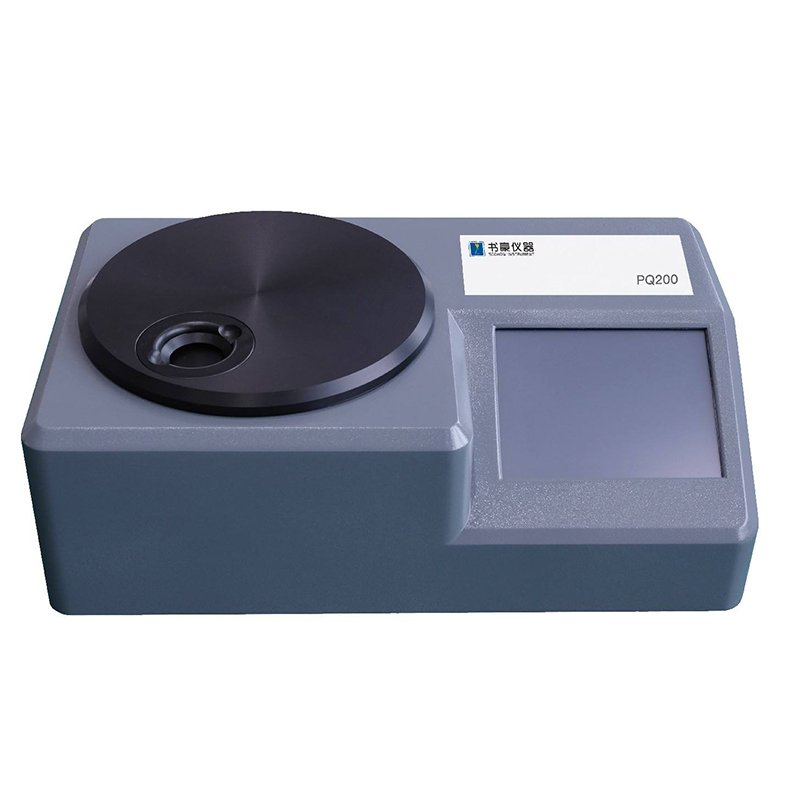 PQ200 Ferrous Debris Monitor
Standard on-site ferrous debris monitor that can be used to quickly check wind power and mining sites.
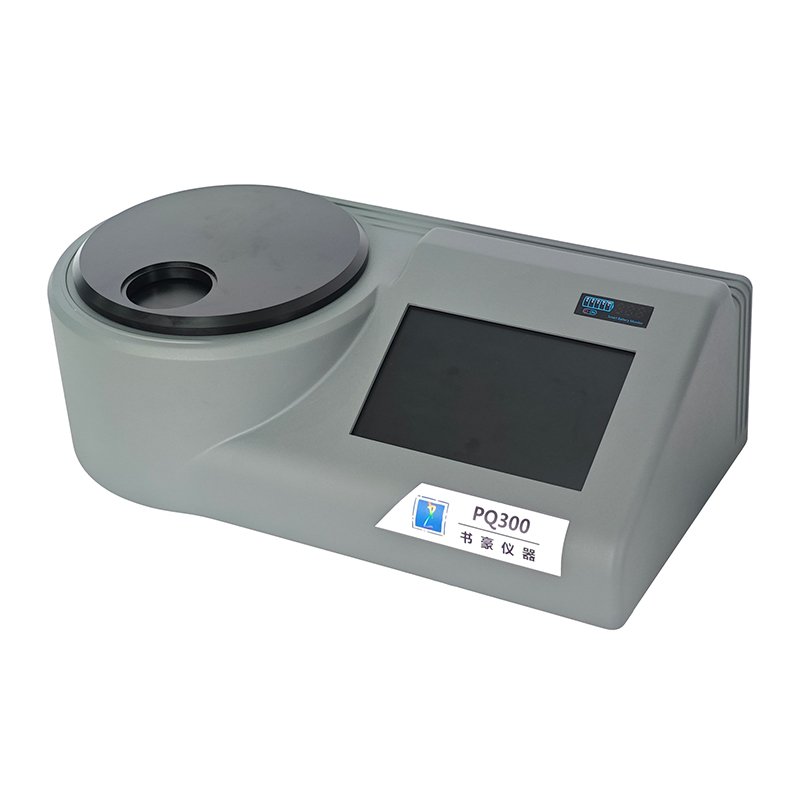 PQ300(B) Ferrous Debris Monitor
A high-end portable ferrous debris monitor that can be used in the field and in aerospace.
Installation & Training for Your Ferrous Wear Meter
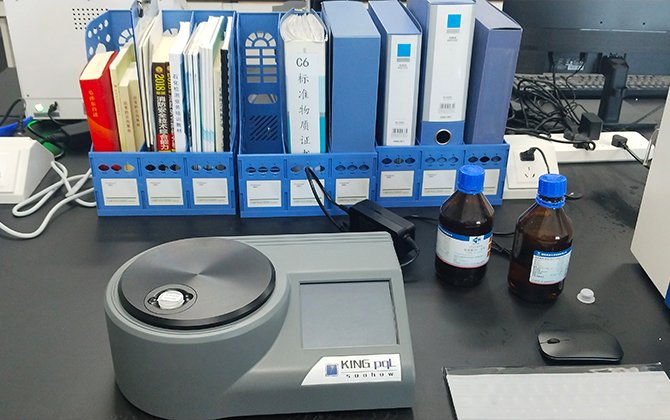
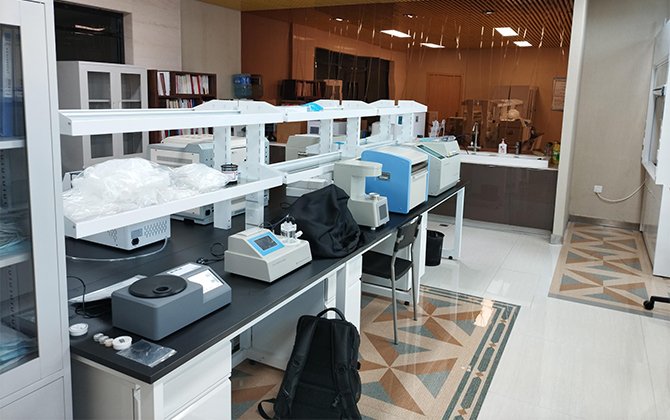
When you get your Ferrous Wear Meter, the Soohow technical team will call you on video to help you open the box, set it up, and get it ready to use. We will help you check the status of the instrument and make sure that the calibration data is correct so that the Ferrous Wear Meter is ready to use.
After the installation is done, we will train you and your team online on how to use the Ferrous Wear Meter, how to prepare samples, how to read the data, and how to do regular maintenance. This training will go on until you can read PQ indices, spot wear trends, and spot strange data on your own.
If you have any problems with your daily operations after that, you can email or instant message the Soohow technical team, and we will help you fix the problem from a distance.
A ferrous wear meter gives you a PQ Index output that is a directly measured, dimensionless value that is directly related to the total number of ferromagnetic wear particles in an oil sample (including the effects of particle volume, count, and magnetic susceptibility). The concentration of iron elements, on the other hand, shows how much iron is present in a sample, which only shows how much iron is chemically present. The PQ Index will go up a lot when equipment wears out in a way that makes big particles, but the iron element concentration may not change much. So, the PQ Index is a better way to tell how bad the wear is.
It only takes 7 to 10 seconds to do one analysis with the ferrous wear meter. It’s very easy to use: the user just pours the oil sample into a special sample bottle, puts it in the instrument’s detection chamber, and presses the “Start” button. The instrument then does the analysis on its own and shows the PQ Index or iron concentration results. The whole process, from taking a sample to getting a reading, takes no more than two minutes. There is no need to pretreat the sample or add reagents, and a standard operator can do the analysis on their own after a short training period.
Bubbles usually don’t change the results because they are not magnetic and don’t change the magnetic field. Free water usually doesn’t have any effect either. But if the oil sample has emulsified (mixed with water), the particles may not be evenly spread out. In these cases, it is best to either collect the clear supernatant layer or let the sample settle and separate into layers before doing the analysis. A lot of moisture will make the oil sample less concentrated, which could make the ferromagnetic index read lower than it really is. But the fact that there is moisture in the oil means that it has been heavily contaminated.
Soohow offer?
If the analysis results show strange changes, users can get in touch with the Soohow technical support team by email or instant message. Our engineers will help users figure out what might be wrong (like the condition of the sample, the cleanliness of the sample bottle, the status of the sensor, or interference from the environment) and help with verification testing. If the problem is confirmed to be with the instrument itself, Soohow can lend the user a replacement unit so they can keep testing while the broken instrument is being fixed.
wear meter? Does Soohow help with understanding data?
To figure out how well the equipment is working, you compare the current ferromagnetic index to the historical baseline. If one measurement value is much higher than the normal range (for example, if it is 2 to 3 times higher), or if the ferromagnetic index shows a steady and rapid upward trend across tests, this means that wear is getting worse. Soohow Instrument lets users send their test data to the Soohow technical team, where engineers will help them figure out how to analyze trend changes, figure out what kind of wear is happening, and give them maintenance advice to help them make decisions based on science.