

Your Leading Kinematic Viscometer Manufacturer in China
Soohow Instrument has spent more than ten years becoming an expert in fluid analysis, focusing on the independent research and development and manufacturing of portable kinematic viscometers. Our products are based on two main types of technology: open-and-close capillary technology and fully automated cleaning technology.
All of our viscometers are made and designed to meet both international and domestic standards, such as ASTM D8092, D7279, and D445. They have also been put through a lot of tests to make sure they are accurate, can be used in different environments, and can be used again and again.
If you want to learn more about our portable kinematic viscometers or schedule a demonstration at your location, please get in touch with Soohow Instrument. We can help you make oil analysis faster and your decisions about when to change your oil more scientifically sound.

Offer a Variety of Kinematic Viscometers for You
Poiseuille’s Law is used to measure kinematic viscosity. It involves measuring how long it takes for a certain amount of liquid to flow through a capillary tube under the force of gravity. This time is directly related to the kinematic viscosity. The Soohow kinematic viscometer provides distinct solutions customized for diverse application contexts.
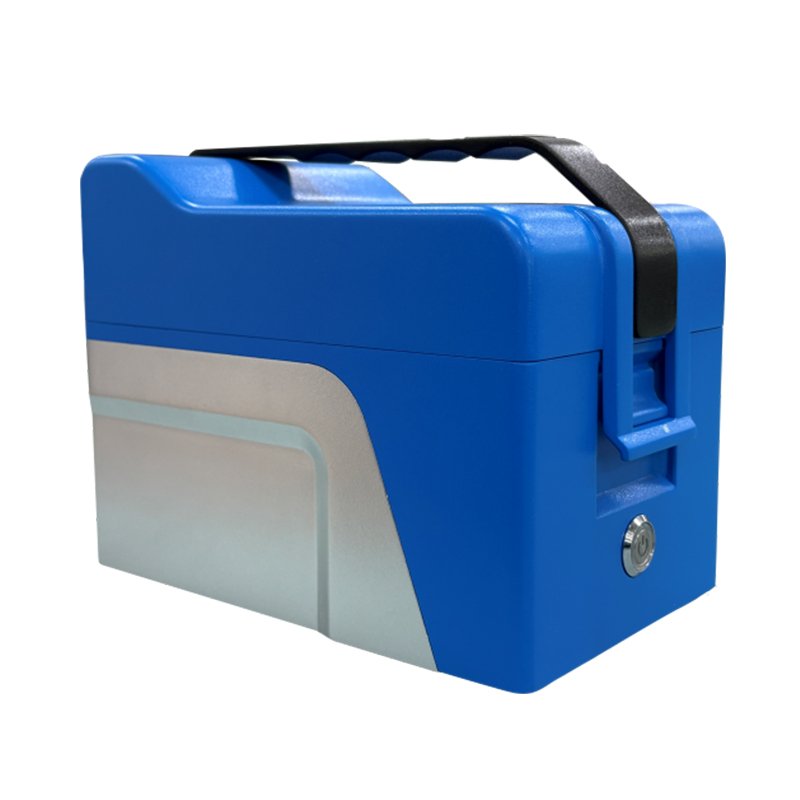 VS800 Portable Kinematic Viscometer
It only needs 60 μL of oil sample for quick on-site analysis because it has an openable capillary sample cell.
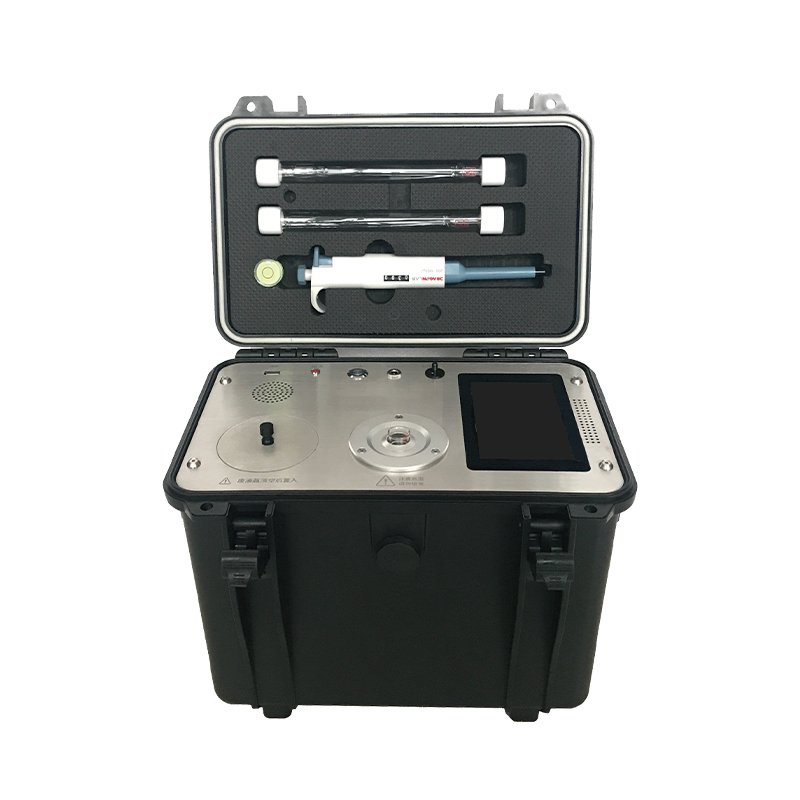 VS600 Portable Rapid Kinematic Viscometer
It has a built-in, fully automated cleaning system that measures, cleans, and dries everything on its own. This makes it perfect for inspections that need to happen a lot.
Soohow's Kinematic Viscometers Maintain Your Equipment
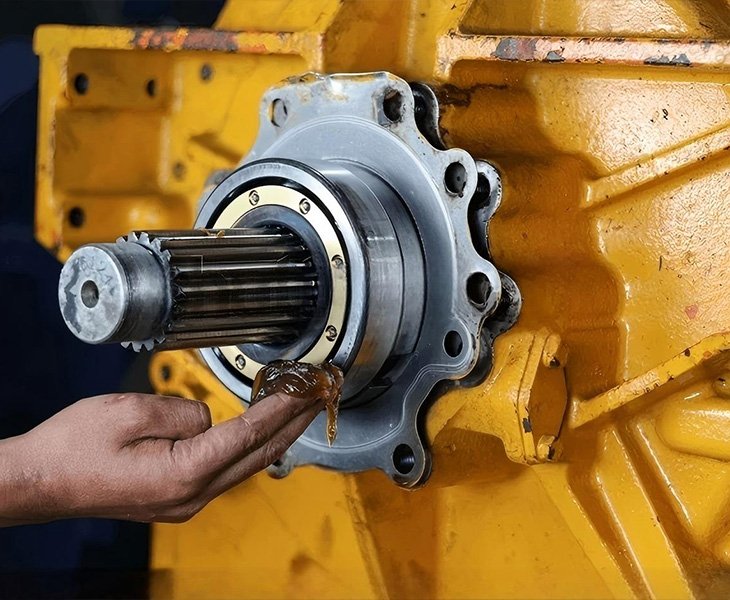
The viscosity of lubricating oil can change while it is being used because of things like oxidation, shear stress, and contamination. If the viscosity is too low, the oil film can break, causing metal-to-metal contact, which speeds up wear. If the viscosity is too high, it makes it harder for the oil to flow, makes it harder to start, and uses more energy. By checking the kinematic viscosity from time to time, you can be sure that the lubricant is still working well. This will stop equipment damage caused by viscosity degradation and save you money by not having to change the oil too often.
Rapid, on-site testing of kinematic viscosity lets maintenance workers get immediate information about how well a lubricant works right at the equipment site. This means they don’t have to send samples to a lab and wait for results, which speeds up the decision-making process. Keeping up with changes in oil viscosity helps maintenance teams plan oil changes more accurately, avoid unexpected downtime, and make equipment last longer. At the same time, it cuts down on the amount of waste oil produced and the costs of getting rid of it.
The kinematic viscometer has a sample cell design that can open and close. A fine capillary channel makes up the detection zone. To create a stable flow path, the oil sample just needs to fill this channel. A 60 μL sample is enough to cover the detection area and make sure that the oil flows smoothly when gravity pulls it down. This micro-sampling design doesn’t change the lubricant level in the equipment being monitored very much, which makes it perfect for machines that need to be sampled on a regular basis because you don’t have to worry about the oil volume running out.
Different models of the kinematic viscometer need to be cleaned in different ways. The VS800 model has an open-and-close design. After a test is done, you can easily wipe down the surface of the sample cell with a lint-free cloth or a cleaning pad that doesn’t scratch it—no solvents are needed. The VS600 model, on the other hand, has an automatic cleaning program built in. After a test is done, the system automatically pumps a cleaning solution through the capillary to flush it out, and then it blows compressed air through it to dry it. This whole process doesn’t require any human help. Both designs do away with the need for organic solvents and the problems that come with getting rid of waste fluids.
When the kinematic viscometer arrives, Soohow’s technical engineers will help users unpack it, check the inventory, put it together, calibrate the constant-temperature system, and set up the basic parameters through a video call. Users don’t have to wait for an engineer to come to their site; they can finish the installation and start the trial runs on the same day. Engineers check the instrument’s status from a distance during the installation process to make sure that the temperature control is accurate and that the photoelectric sensors are working properly. Soohow also gives you a detailed printed “Quick Operation Guide” card that you can put next to the instrument so you can easily look it up when you need to.
Some common reasons are: unstable temperature control (because the instrument didn’t warm up long enough or the temperature in the room changed a lot); air bubbles or other particles in the sample; contamination of the sample cell (because of leftover oil from a previous sample); drift in the viscosity tube constant (which needs to be calibrated); an inaccurate sample volume (because the pipette wasn’t calibrated); and not mixing the sample enough (especially in the case of used oil samples). It is best to set up a Standard Operating Procedure (SOP), check the temperature stability indicators and the sample condition before each test, and calibrate both the instrument and the pipette every so often.
Different kinds of equipment can handle changes in viscosity in different ways. If the kinematic viscosity is more than ±15% different from the fresh oil value, it is usually a good idea to think about changing the oil. To get an exact answer, though, you need to think about the type of equipment, the conditions it will be used in, and the type of oil. Turbine oils usually can’t handle changes in viscosity as well (±10%), while engine oils can (±20%). A more scientifically sound method is to use both viscosity analysis and spectroscopic analysis to look at levels of additive depletion and contamination. For example, if viscosity problems are found along with significant additive depletion, the oil should be changed right away.