
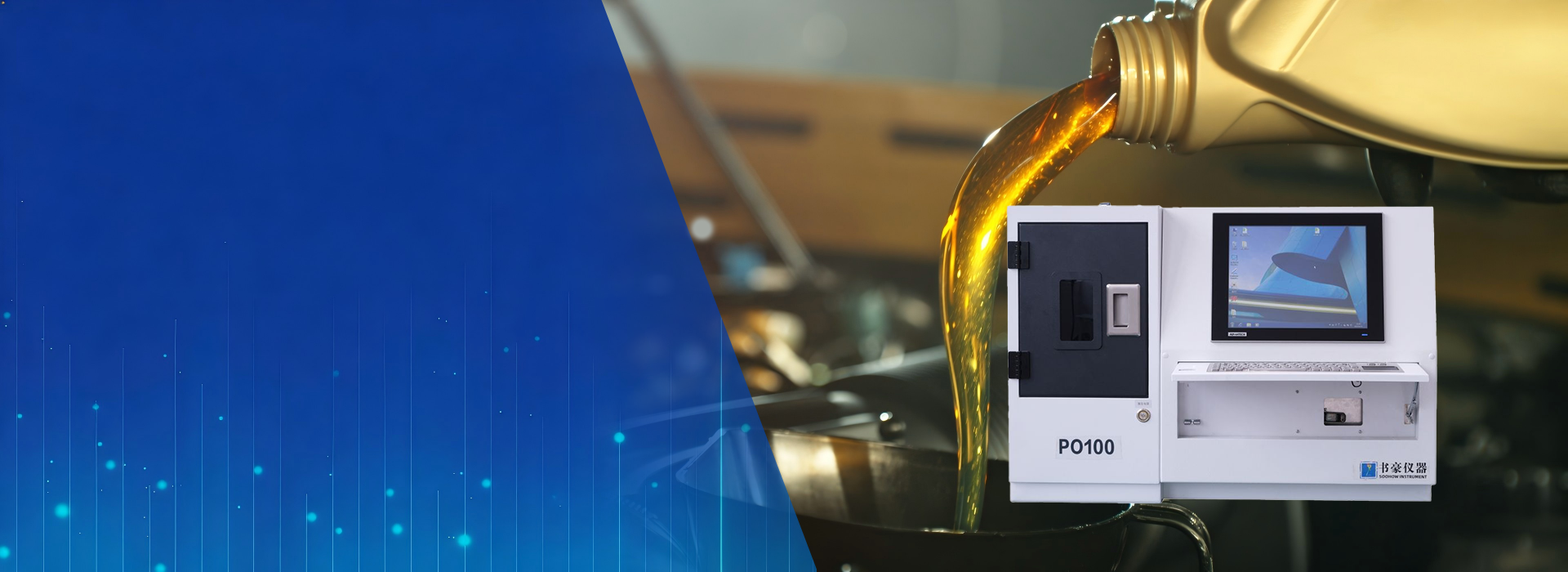
Your Leading Oil Spectrometer Manufacturer in China
The Soohow oil spectrometer uses Rotating Disc Electrode (RDE) technology, which means that you can test oil samples directly by putting them in a sample cup. You don’t need to dilute them, use other solvents, or add gases. It can look at 24 elements at once in just 30 seconds.
Soohow Instrument is one of the few companies in China that has mastered the main technologies of oil spectroscopy. We have a range of models, from stationary lab units to portable field-testing devices and integrated systems, that can meet a wide range of monitoring needs in applications such as aircraft engines and mining machinery.
Many industries, including aviation, marine transport, electric power, mining, steel manufacturing, and railways, use Soohow oil spectrometers. We encourage you to get in touch with Soohow Instrument for expert help in choosing the right oil spectrometer for your needs or to set up a demonstration at your location. This will help you keep a better eye on the condition of your equipment.

Offer a Variety of Oil Spectrometers for You
The oil spectrometer uses rotating disc electrode technology. An electric arc with a lot of voltage is created between a rotating disc electrode and a stationary rod electrode. This atomizes and excites the metal particles in the oil sample, which makes characteristic spectra.
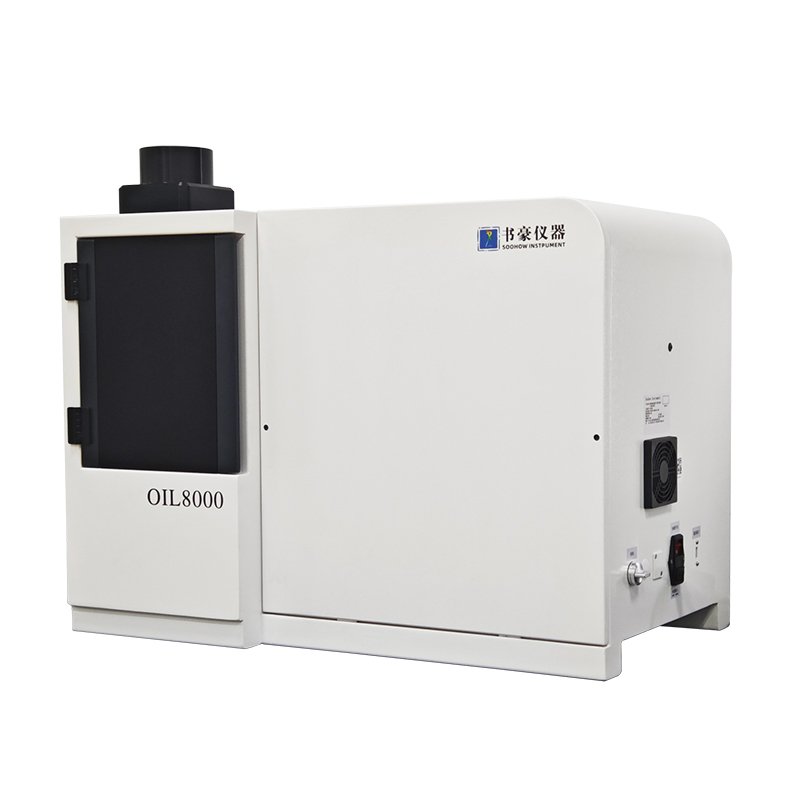 OIL8000 RDE-OES Elemental Analyzer
Good for checking the fluids in important equipment like aero-engines, marine main engines, and power generation units on a regular basis, as well as for testing oil samples in a lab setting.
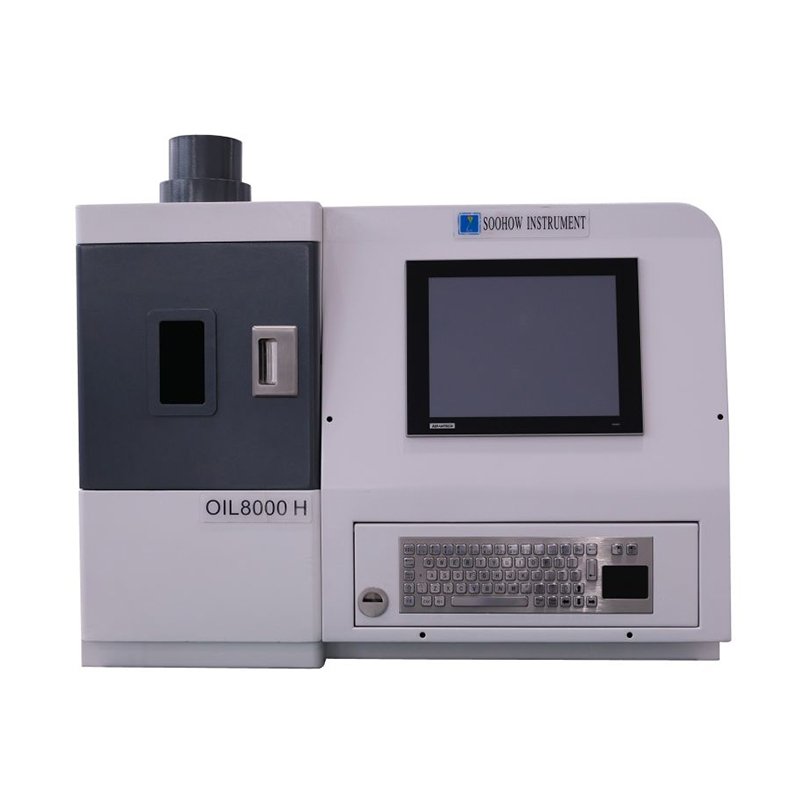 OIL8000H RDE-OES Elemental Analyzer
The integrated design lets the instrument work on its own, which makes it good for situations where it needs to be set up quickly, like mobile labs and vehicles for field testing.
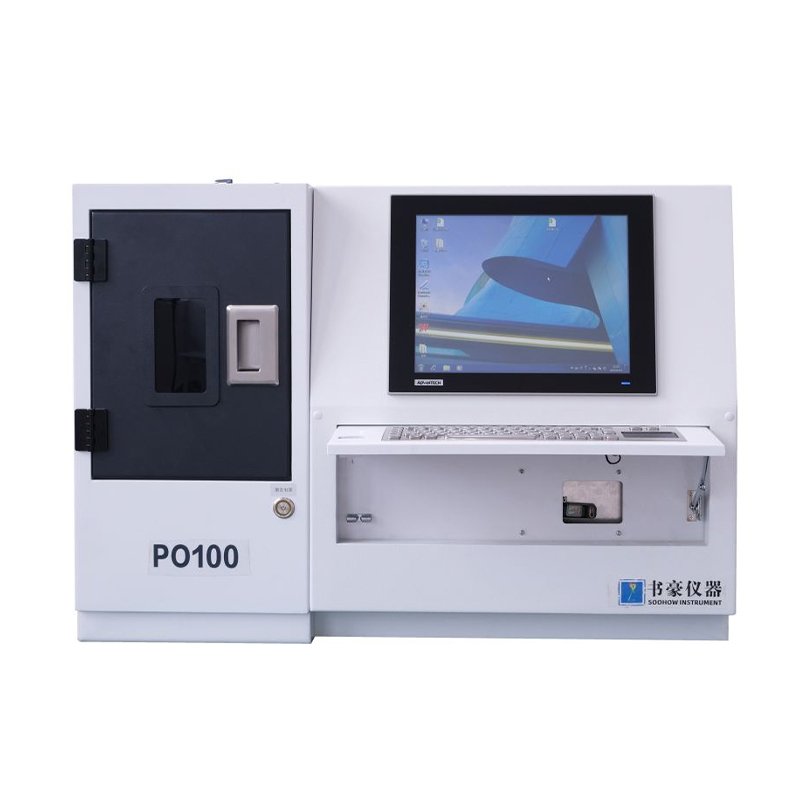 PO100 RDE-OES Elemental Analyzer
Good for fixed labs that do batch oil sample testing and trend analysis and can handle more than one type of oil at the same time.
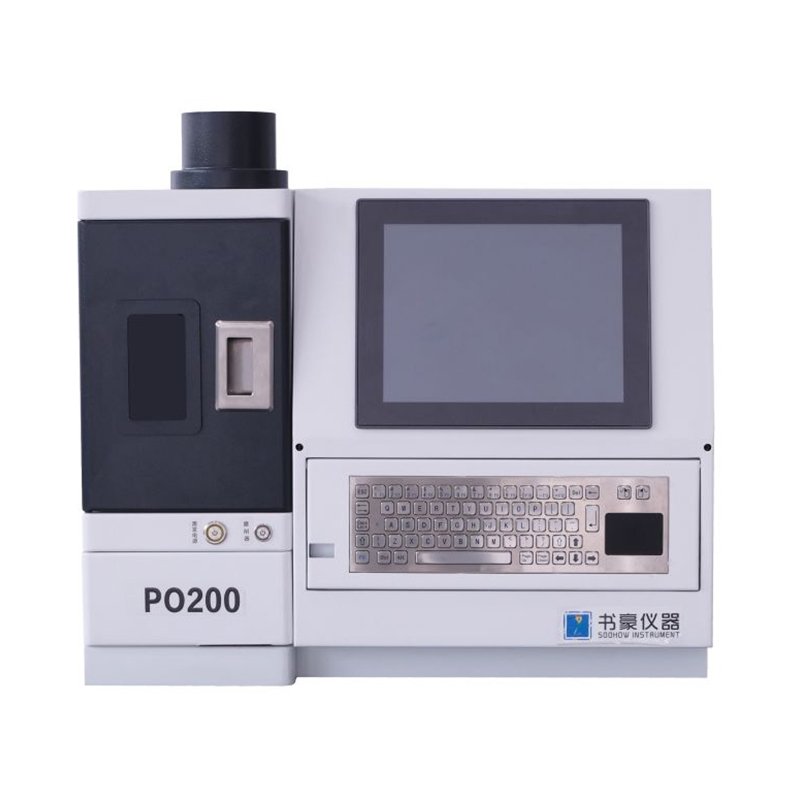 PO200 RDE-OES Elemental Analyzer
Good for situations where tests need to be moved and used in different labs, or where there are both fixed and mobile testing sites.
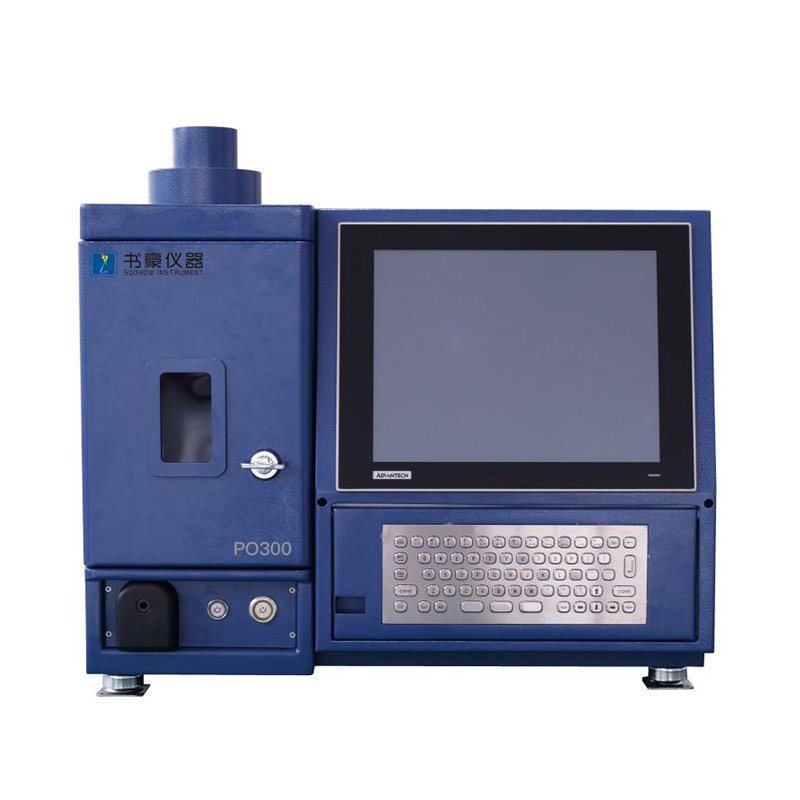 PO300 RDE-OES Elemental Analyzer
Because it is small and works with lithium batteries, it is perfect for mobile use in places like wind power plants, mines, ship engine rooms, and field inspections.
Soohow’s Oil Spectrometer Maintain Your Equipment
The wear metal elements found in lubricating oil are a direct sign of the condition of the equipment. For example, high iron levels mean that steel parts are wearing out, and high copper levels mean that bearings are not working right. Oil spectrometers let you check these elements on a regular basis to see if they are changing. This lets you find early signs of wear before any vibrations or temperature rises happen. These oil spectrometers make it possible to quickly analyze samples on-site, so maintenance staff don’t have to wait for lab results. Instead, they can get wear data right away, which speeds up the decision-making process by a lot. Using oil spectrometers to keep an eye on elemental trends lets maintenance teams plan repairs with accuracy, avoid unplanned downtime, make equipment last longer, and lower overall maintenance costs.
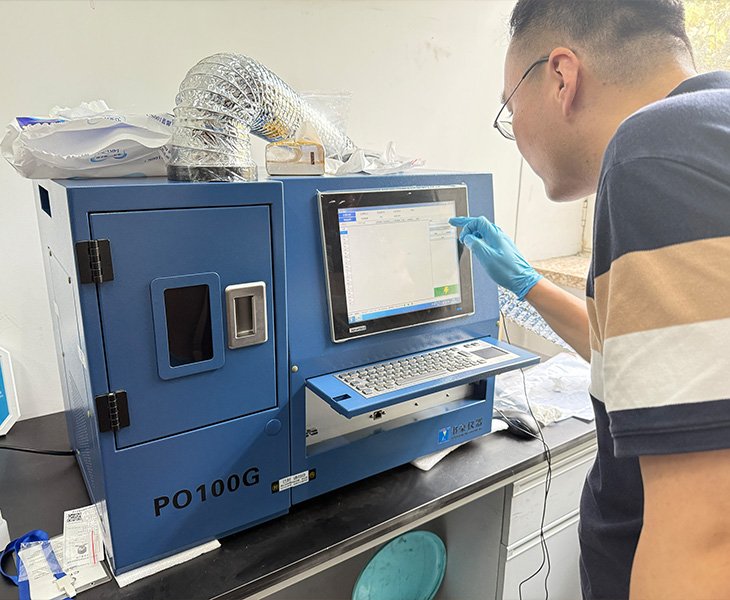
Oil Spectrometer Installation & Training
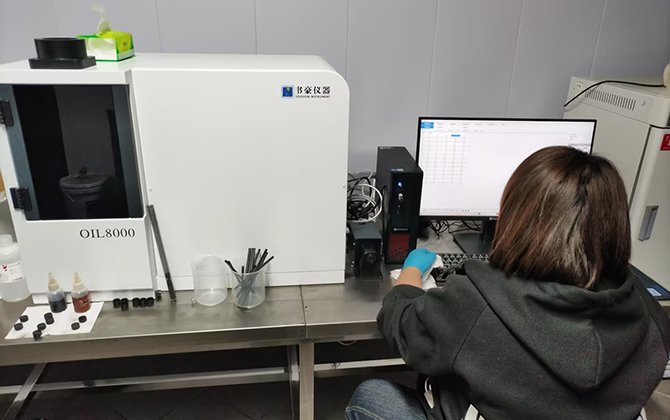
Soohow’s technical team will help you with the unboxing, assembly, and optical path alignment of your oil spectrometer through remote video calls. This will make sure that it is ready to use quickly. Our online training includes hands-on demonstrations using your own oil samples to show you how to replace electrodes, calibrate standardization, and do routine maintenance. After the training, you will be able to use the oil spectrometer on your own to do analyses and understand the data. We also give you an electronic training certificate and long-term remote technical support to help you get the most out of your equipment.
The oil spectrometer uses CCD full-spectrum technology. It captures full-bandwidth spectral information with just one excitation event, and the software automatically finds the characteristic spectral lines of each element. This lets you analyze multiple elements at the same time. There are 24 elements in total: wear metals (Al, Cd, Cr, Cu, Fe, Pb, Mg, Mn, Mo, Ni, Ag, Sn, Ti, V, Sb, K, Li, Na), additive elements (Ba, B, Ca, P, Zn), and contaminant elements (Si). This setup has all the important information needed to keep an eye on equipment wear.
It takes less than 30 seconds to do one analysis, and it involves the following automated steps: the spectrometer automatically turns on the rotating disc electrode when the sample cup is placed on the excitation stand; a high-voltage electric arc excites the oil sample to make a spectrum; the CCD captures the spectral signals; and the software automatically does spectral line identification, background subtraction, and concentration calculations. Finally, it shows the concentration results for each element. You only have to take the oil sample and put it in the sample cup; the machine will take care of the rest.
You should do a standardization calibration with standard oil samples once a week or after the instrument has warmed up after being turned on. The oil spectrometer has a built-in standardization program. To use it, users just put the standard oil samples that come with the instrument (for example, 0-ppm standard oil, 100-ppm standard oil, and 900-ppm standard oil) into the sample cup and test them one at a time as the software tells them to. The instrument then automatically updates the calibration coefficients. The whole thing takes about five minutes.
The oil spectrometer uses rotating disc electrode technology to directly excite the oil sample. This makes it better at finding large particles (>15 μm) in the lubricant than ICP, which needs to digest the sample first, which can cause large particles to settle out. The results from both methods show a strong link for routine wear monitoring. But the oil spectrometer is easier to use because it doesn’t need any sample pretreatment. This makes it better for quick, on-site analysis.
The electrode gap has an effect on how stable the excitation is, so it is best to change it every time you change an electrode. The oil spectrometer comes with a tool for adjusting the gap between the rod electrode and the disc electrode (usually 2–3 mm) by hand. The software on the spectrometer has an electrode status monitoring feature that sounds an alarm if the gap gets too wide or too narrow. Users can make the necessary changes by following the instructions in the user manual.