
Your Leading Pollution Monitor Manufacturer in China
Changes in chemicals and particles in fluids are dangers that can’t be seen with the naked eye. Too many particles can wear out equipment faster, and a drop in Total Base Number (TBN) can make the lubricant less protective. Soohow’s pollution monitors use both of these technical methods. Our particle counter series is made to find physical pollution, and our TBN analyzers are made to find chemical pollution. You don’t need to put together equipment from different companies; a single Soohow pollution monitor can do particle counting, pollution grading, and TBN analysis.
Soohow has the right model of pollution monitor for you, whether you need high-precision lab testing or quick on-site screening. Please get in touch with Soohow Instrument to get a customized solution for pollution analysis.
Soohow Offer a Variety of Pollution Monitors for You
You can’t just use one measure to figure out how bad pollution is. The Soohow series of pollution monitors looks at two main types of pollution: physical and chemical. This lets you keep an eye on the health of your fluids from many different angles.
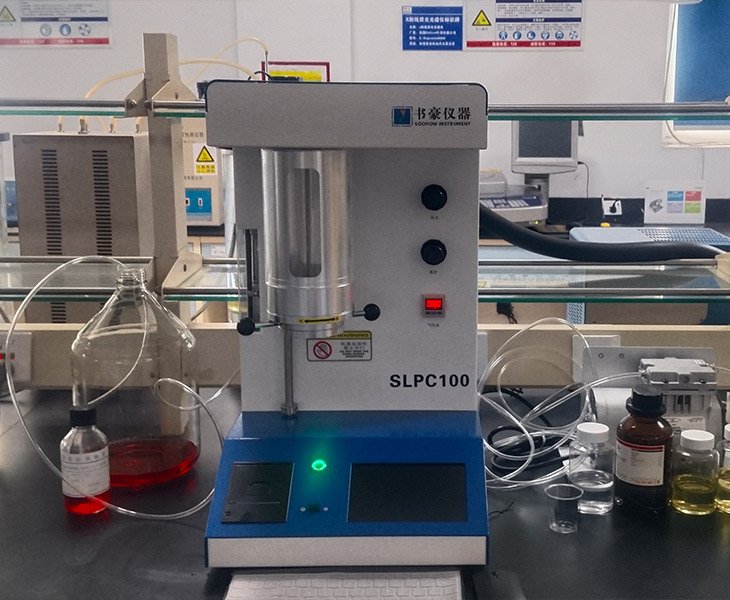
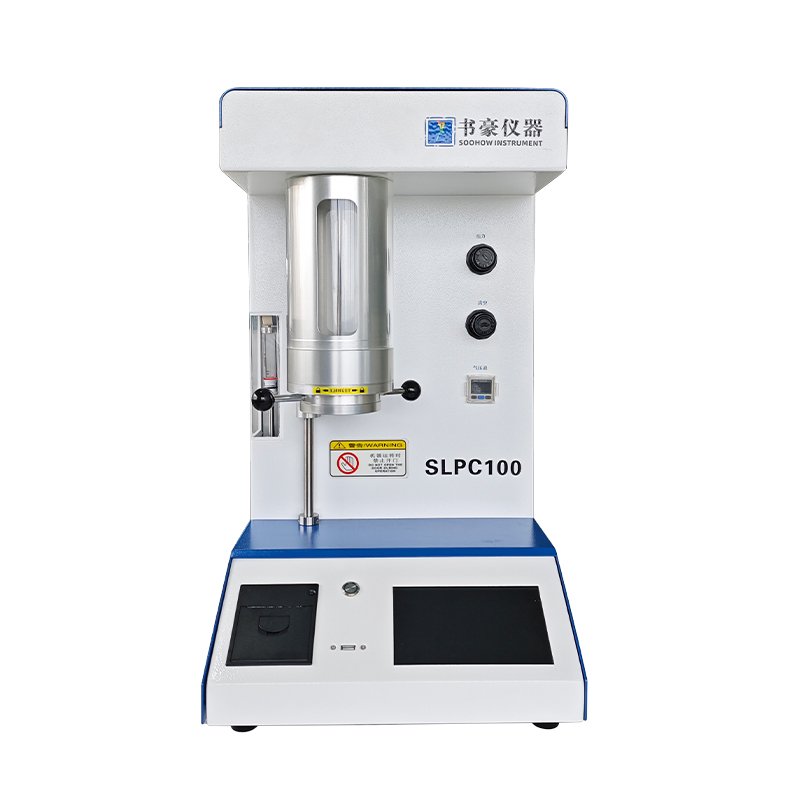 SLPC100 Desktop Particle Counter
A particle counter for a benchtop lab that can be used for high-precision batch testing.
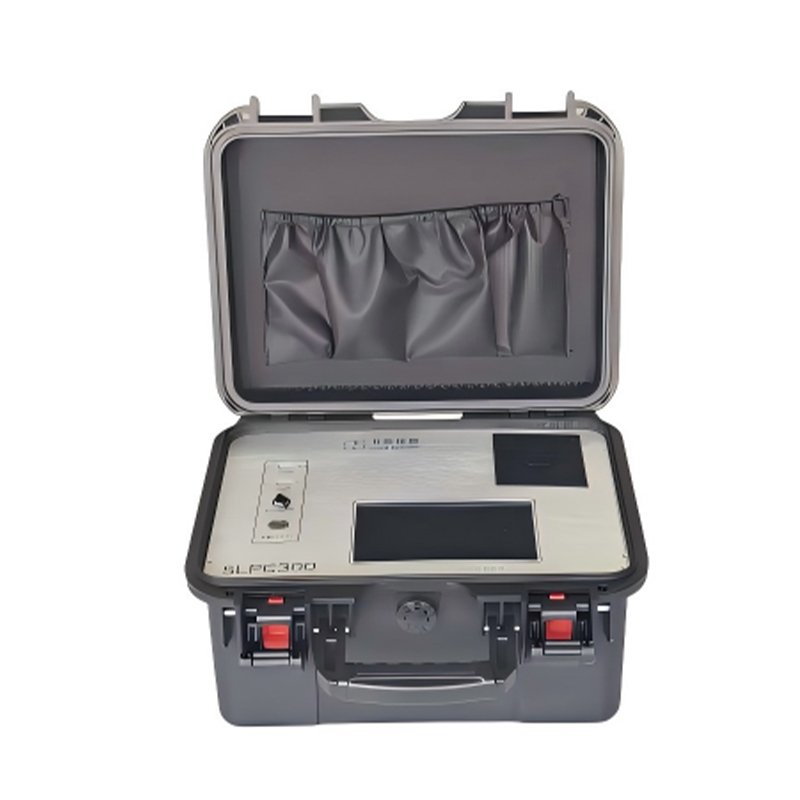 SLPC300 Portable Particle Counter
A portable particle counter that can be used both on-site and online, and is good for wind power and mining.
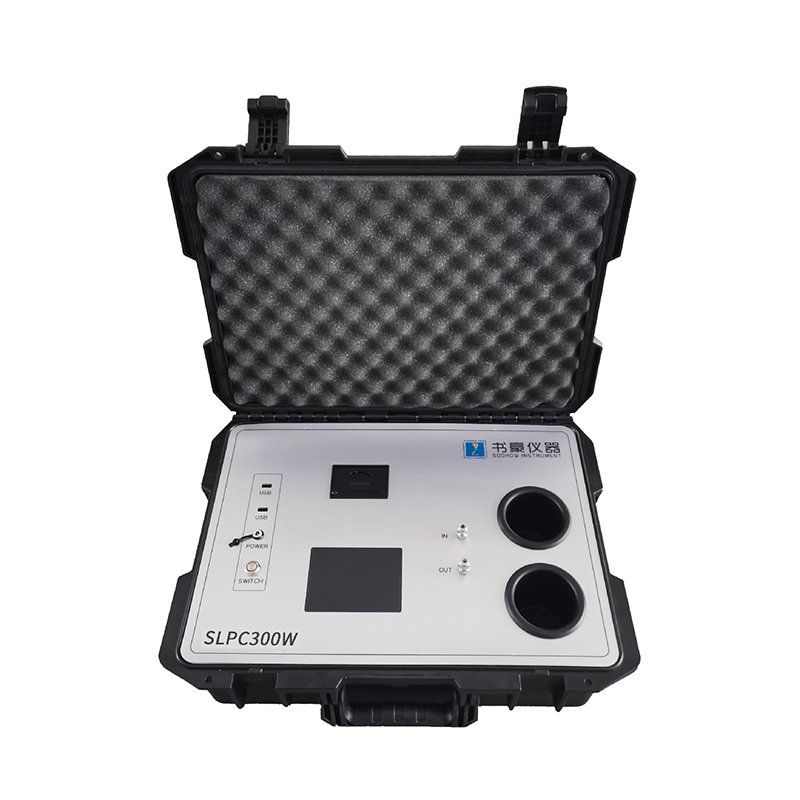 SLPC300W Portable Particle Counter
A complete, one-step solution right on-site that lets you measure both particle size and moisture content at the same time.
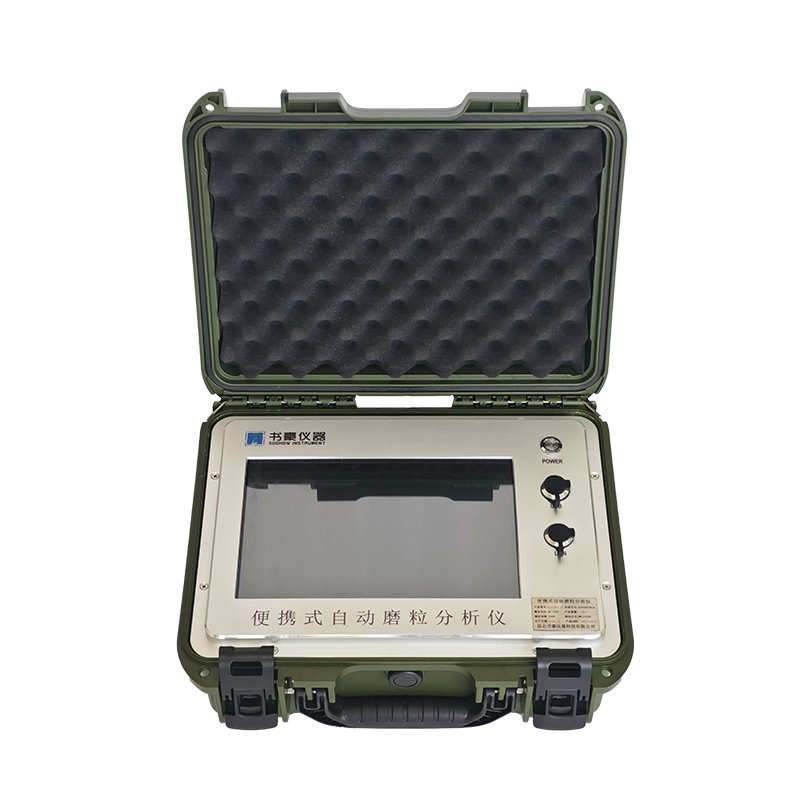 PDA100 Portable Automatic Wear Particle Analyzer
It automatically finds out what kind of wear particles are present and quickly figures out what caused the problem on-site.
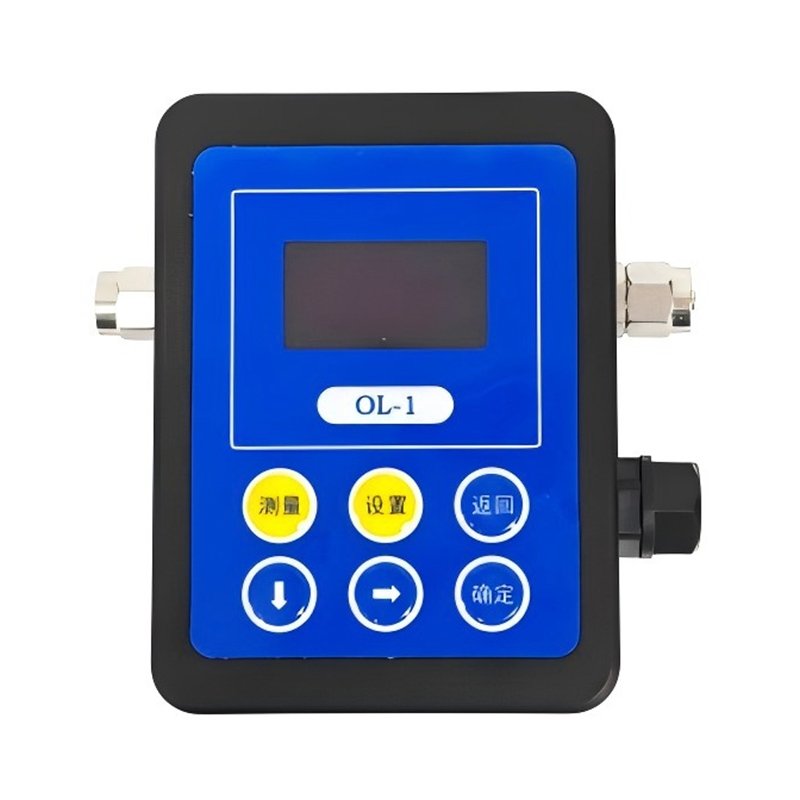 OL-1 Online Particle Sensor
A small online sensor that sends out real-time signals showing how much particulate matter is present.
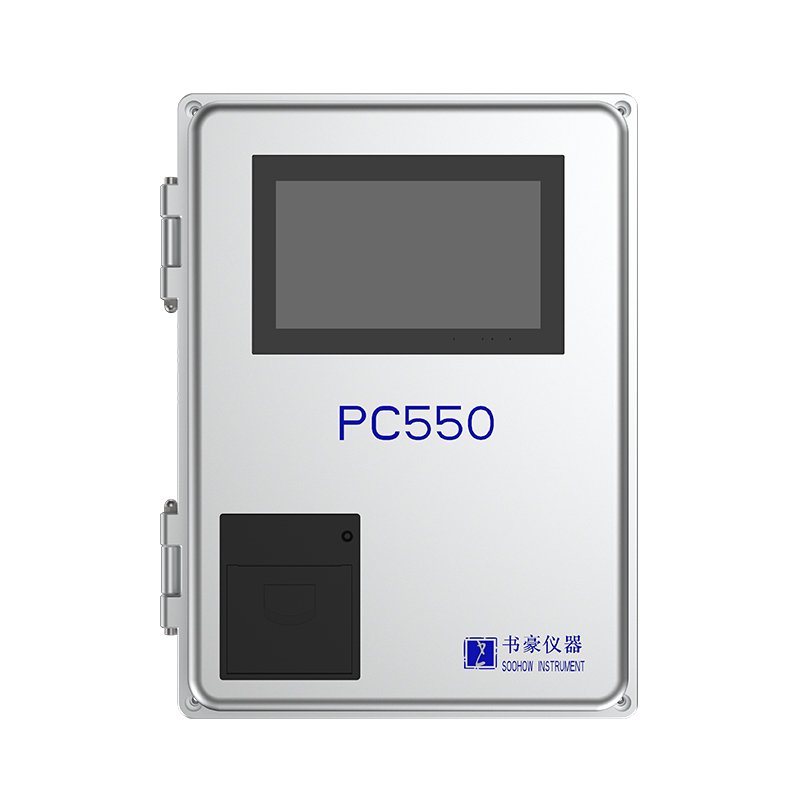 PC550 Online Particle Counter
Constant online monitoring, uploading data in real time, and proactive early warning.
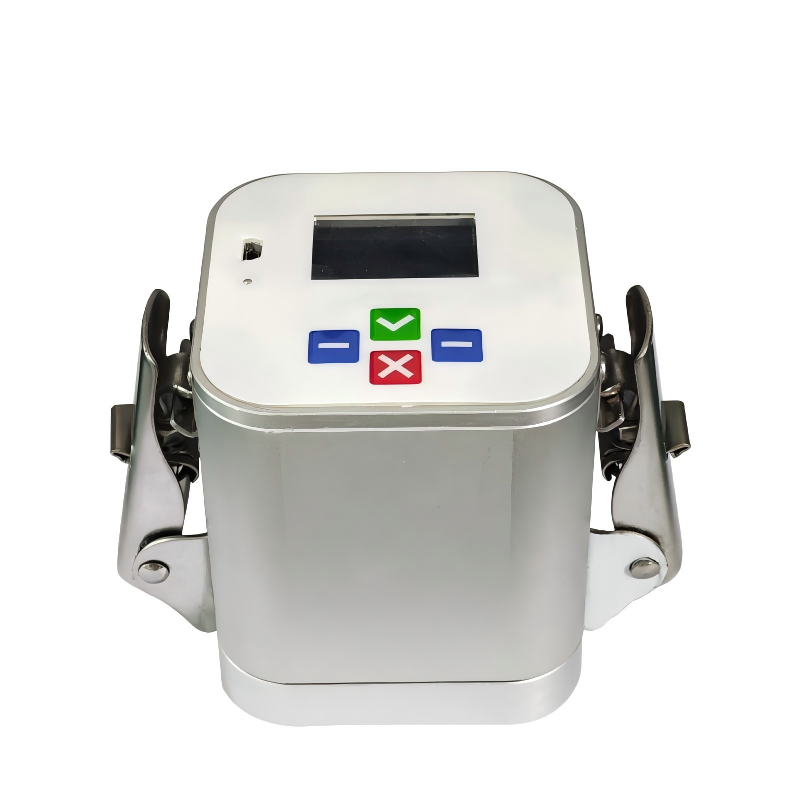 TBN100 Portable Total Alkalinity Tester
Finding out the residual alkalinity on-site makes it easy to quickly figure out when the best time is to change the oil.
Soohow Pollution Monitor Helps You Maintain Equipment
The Soohow pollution monitor turns the state of your equipment’s insides into measurable data by regularly checking the oil for changes in particle concentration and alkalinity. When the amount of particles in the fluid goes above a certain level, the pollution monitor signals a filter failure or the entry of outside pollution. On the other hand, when the TBN goes down, it means that the fluid’s ability to neutralize acid is getting weaker.
You don’t have to wait for your equipment to make strange noises or break down anymore. You can now schedule oil changes, filtration, or maintenance based on the data provided. These pollution monitors help you cut down on unplanned downtime, extend the life of your equipment, and keep your annual maintenance budget in check by moving maintenance from a reactive response to proactive management.
The sensors on a pollution monitor, especially the optical windows of particle counters, need to be cleaned every so often. After a long time of use, oil sludge and carbon deposits may build up on the windows, making it harder to see. How to Clean: Shut off the oil circuit, unplug the sensor’s inlet and outlet ports, and use a syringe to inject petroleum ether or alcohol into the sensor’s flow channel to flush it out several times. After that, use compressed air to dry it off. You should do this cleaning every three to six months. Soohow gives users cleaning videos and remote help, and it can also send them cleaning fluids and tools made by the original manufacturer. Soohow has a “no-disassembly” cleaning solution for online sensors.
Soohow’s technical engineers help users set up their devices by video call or by sending them videos that show them how to do things like unbox the device, check the inventory, put the instruments together, connect the tubing, install the software, and set up the basic parameters. Engineers check the alignment of the optical path from a distance for particle counters. For Total Base Number (TBN) analyzers, they help with calibrating the pressure sensor. The whole process of installing remotely takes about 1 to 2 hours, so users don’t have to wait for an engineer to come to their location. After the installation is done, engineers check the instrument’s performance from a distance to make sure it meets factory standards. Soohow offers detailed installation videos and operation manuals in English that users can look at whenever they want.
The most common reasons for pollution monitor alarms in hydraulic systems are: broken filters or open bypass valves that let particles into the system; a broken reservoir breather that lets dust from outside the system in; new oil that is too dirty; and wear and tear on the system that makes metal particles. When a pollution monitor goes off, it’s best to first check the differential pressure across the filters and the sealing integrity of the oil reservoir. Then, a fluid sample should be taken for further analysis (like ferrography) to find out where the particles came from.
Soohow pollution monitors are made to work in tough conditions. Portable models have sealed enclosures and dust-proof connectors, giving them an Ingress Protection (IP) rating of IP54. Online sensors have stainless steel housings and coatings that resist corrosion, so they can work well in temperatures between -20°C and 80°C. Pollution monitors should be put in a protective enclosure and cleaned often if they are going to be used in places with a lot of dust, like mines and cement plants. You can choose a model with the right protection rating based on the conditions at your site.
Online pollution monitors, like the OL-1, are put right into the oil circuit of the equipment so that they can constantly check for pollution levels 24 hours a day. They are great for real-time alerts and tracking trends. We use offline pollution monitors like the SLPC300 for periodic spot checks and fixing problems. The best way to use these two methods together is to use online monitoring to catch sudden pollution events (like a broken filter) and offline analysis to look into them more deeply (looking at things like particle shape and elemental makeup). If an online monitor sets off an alarm, a sample should be taken right away and analyzed with offline equipment to find out where the pollution came from. Soohow can help users set up Standard Operating Procedures (SOPs) that effectively combine online and offline monitoring methods. This will make sure that pollution control is both effective and cost-effective.